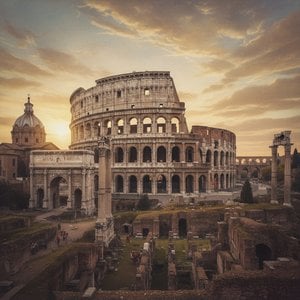
시간을 거스르는 여정: 페르가몬 박물관의 웅장함을 마주하다
베를린의 페르가몬 박물관으로 발을 들이는 것은 단순히 하나의 건물을 들어서는 것이 아닙니다. 그것은 아주 오래전 사라진 문명 속으로 깊숙이 빠져드는, 경이로운 시간 여행의 시작입니다. 이 기념비적인 건축물은 단순한 고대 유물의 저장소를 넘어, 알프레드 메셀과 루드비히 호프만이 빚어낸 걸작으로서 19세기 고고학의 야망과 인류 창의성의 영원한 힘을 증명하고 있습니다. 본래 메소포타미아와 아나톨리아 등지에서 발견된 거대한 유물들을 선보이기 위해 구상된 이 박물관의 역사는, 한 시대를 정의했던 열정적인 발굴 정신과 떼려야 뗄 수 없는 관계를 맺고 있습니다. 절제된 고전주의(Stripped Classicism)의 대담한 전형을 보여주는 건물 그 자체의 압도적인 규모는 내부의 보물들이 지닌 장엄함을 거울처럼 투영하며, 전통적인 박물관의 경계를 초월하는 몰입형 경험을 선사합니다. 이곳은 단순히 역사를 전시하기 위한 공간이 아니라, 기념비적인 건축과 숨 막히는 예술성을 통해 방문객을 수천 년 전 과거로 데려다 놓으며 역사를 생생하게 불러일완시키는 공간입니다.
페르가몬 박물관의 심장이자 가장 상징적인 전시물은 단연 웅장한 페르가몬 제단입니다. 기원전 2세기 페르가몬에서 온 이 거대한 조각상은 단순한 장식 요소가 아닙니다. 그것은 신들과 거인들 사이의 서사적인 전투, 즉 괴물 같은 기간테스(Gigantes)와 맞서 싸우는 제우스의 모습을 숨 막히는 디테일로 그려낸 역동적인 이야기 그 자체입니다. 압도적인 규모 앞에 서면 방문객은 창조자들의 예술적 기량과 힘에 경외감을 느끼게 됩니다. 단 하나의 대리석 블록을 정교하게 깎아 만든 프리즈(friease)는 신의 개입과 우주적 투쟁이라는 복잡한 이야기를 들려주며, 페르가몬의 종교적 신념과 예술적 감수성을 엿볼 수 있는 창이 되어줍니다. 이 제단의 기원은 여전히 미스터리에 싸여 있는데, 학자들은 이것이 특정 승리를 기념하기 위해 제작되었는지, 혹은 경건한 헌신의 일반적인 표현인지에 대해 논쟁을 이어가고 있습니다. 근육질의 형상, 극적인 자세, 상징적인 이미지 등 정교한 세부 묘사는 스토리텔링에 대한 고도의 이해와 조각 기술의 숙련도를 드러냅니다. 제단 옆에는 놀라울 정도로 잘 보존된 로마 시대의 문이 서 있어, 고대 항구 도시의 북적였던 상업적 삶을 생생하게 보여줍니다. 높게 솟은 기둥과 화려한 장식, 그리고 거대한 크기는 지중해 세계에서 무역과 도시 발전이 얼마나 중요했는지를 웅변하며, 한때 이 거리 속에 맥동했던 에너지를 만질 수 있는 실체로 상기시켜 줍니다.
- 이슈타르 문과 행렬로 (바빌론): 거대한 문을 통과하는 것은 마치 고대 바빌론의 심장부로 직접 이동하는 듯한 본능적인 경험을 선사합니다. 바빌론의 권위와 예술적 기량을 상징하는 사자, 용, 황소 등 신화 속 생물들이 그려진 선명한 푸른색 벽돌은 눈부신 장관을 연출합니다. 이는 단순히 정지된 전시가 아니라, 활기찬 행렬의 재현으로서 방문객들로 하여금 이 찬란한 도시의 소리와 풍경을 상상하게 만듭니다.
- 밀레토스의 시장 문: 로마 건축 기술의 정수를 보여주는 이 문은 고대 무역로의 역동성을 일깨워주는 강력한 증거입니다. 정교한 코린트식 주두는 로마 특유의 우아함을 보여주며, 그 디자인 속에 투영된 번영, 질서, 그리고 시민적 자부심이라는 가치에 대해 깊은 사색을 유도합니다.
- 메소포타미아와 그 너머의 보물들: 박물관의 컬렉션은 이러한 상징적인 작품들을 훨씬 넘어섭니다. 왕궁의 파편과 정교한 원통형 인장을 포함한 바빌론의 보물부터 고대 이집트, 페르시아, 아나톨리아의 유물까지 아우릅니다. 이 오브제들은 수천 년 동안 이 지역에서 번영했던 다양한 문화의 단면을 보여줍니다.
문명의 태피스트리: 바빌론의 보물들
박물관의 서사를 더욱 풍성하게 만드는 것은 인류 역사상 가장 초기 제국 중 하나로 방문객을 인도하는 바빌론의 보물들입니다. 그 중심에는 의심할 여지 없이 이슈타르 문과 행렬로가 자리 잡고 있습니다. 신화 속 생물들이 그려진 눈부신 푸른색 유약 벽돌은 바빌론의 권위와 예술적 기량을 상징하며 찬란한 광경을 만들어냅니다. 거대한 문을 통과하는 것은 마치 고대 바빌론의 심장으로 직접 들어가는 듯한 전율을 느끼게 합니다. 메소포타미아 장인들이 완성시킨 기술인 선명한 푸른색 유약은 강렬한 시각적 충격을 주며, 바빌론 공예 기술의 정교함을 강조합니다. 이와 인접한 곳에는 요르단의 8세기 우마이야 왕조 궁전에서 유래한 무샤타 파사드가 자리하고 있습니다. 이 작품은 이전의 고전적 양식으로부터 극적인 변화를 보여주며, 조화와 균형, 그리고 식물 모티프를 구현하여 이슬람 예술 특유의 세련된 예술성과 복잡한 디테일을 증명합니다. 꽃무늬와 기하학적 문양으로 장식된 섬세한 스투코(stucco) 작업은 이슬람 원리에 대한 깊은 이해를 드러냅니다.
건축적 웅장함: 비전의 증거
페르가몬 박물관의 건축은 그 컬렉션만큼이나 매혹적입니다. 1910년에서 1930년 사이에 완공된 이 건물 자체는 절제된 고전주의의 놀라운 성취입니다. 알프레드 메셀과 루드비히 호프만은 내부의 유물들을 존중하면서도 압도적인 위용을 갖춘 공간을 만들고자 했습니다. 광활한 홀들은 단순한 전시 공간이 아니라, 기념비적인 규모로 역사를 선보이기 위한 무대로 구상되었습니다. 빛과 그림자, 그리고 공간 배치의 의도적인 활용은 각 오브제의 임팩트를 강화하며 전체적인 경험에 크게 기여합니다. 건물의 디자인은 고고학적 원리에 대한 깊은 이해를 반영하여, 방문객들이 이 고대 보물들의 장엄함과 중요성을 온전히 감상할 수 있는 환경을 조성합니다. 이곳은 단순한 그릇이 아니라 서사의 필수적인 일부로서, 우리가 역사를 인식하는 방식 자체를 형성합니다. 박물atus의 배치는 의도적으로 내부 유물의 규모를 모방하여 경외감과 경이로움을 불러일으킵니다.
진행 중인 유산: 혁신과 복원
현재 페르곰 박물관은 대대적인 보수 공사를 진행 중입니다. 2037~2043년까지 이어질 예정인 이 프로젝트는 북관이 2027년에 재개관할 것으로 예상됩니다. 그럼에도 불구하고 박물관은 여전히 핵심적인 문화 기관으로서의 역할을 다하고 있습니다. 특히 주목할 만한 점은 접근성을 향한 박물관의 의지입니다. 그 대표적인 예가 바로 “페르가몬 박물관: 파노라마(Pergamonmuseum. Das Panorama)” 프로젝트로, 이는 숨 막히는 360도 파노라마를 통해 페르가몬 제단과 그 주변의 분위기를 재현하는 야심 찬 시도입니다. 이 몰입형 경험은 공사 중임에도 불구하고 방문객들에게 기념비적인 제단을 생생하게 보여줌으로써, 대중과 소통하고 유산을 보존하려는 박물관의 헌신을 증명합니다. 러시아로부터 유물의 반환이 진행되는 과정 또한 국제적 문화유산의 복잡성을 보여주는 중요한 흐름입니다. 박물관은 끊임없이 적응하고 혁신하며, 미래 세대가 이 놀라운 컬렉션과 건축적 웅장함으로부터 계속해서 영감을 받을 수 있도록 노력하고 있습니다.