Gil de Siloé (c. 1495-1563) was a pivotal Spanish Renaissance sculptor & architect, known for blending Gothic, Italian Classicism & Mudéjar styles. Founder of the Granadan school, famed for works like the Burgos Cathedral staircase and Granada Cathed
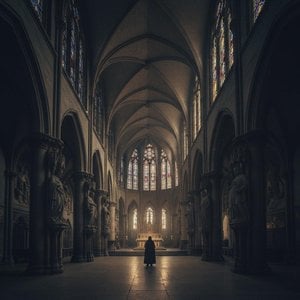
Perched majestically upon a hill overlooking the historic city of Burgos, the Monastery of Miraflores stands as a breathtaking testament to the spiritual and artistic fervor of 15th-century Spain. This UNESCO World Heritage Site is far more than a religious retreat; it is a profound intersection of royal legacy and architectural innovation. Founded by Queen Isabella I of Castile, the monastery was conceived as both a sacred sanctuary for the Carthusian Order and a grand royal mausoleum. As one approaches its silhouette, the transition from a mere hunting lodge to a monumental masterpiece becomes evident, reflecting a period where piety and power were inextricably linked through the medium of stone and light. The monastery serves as a silent witness to the passing of monarchs, housing the Royal Pantheon where the tombs of John II and Isabella of Portugal rest in eternal, sculpted repose.
The Alchemy of Light and Plateresque Detail
To wander through the monastery is to enter a realm where architecture mimics the delicate precision of fine jewelry. The Isabelline Gothic style, a uniquely Spanish aesthetic, flourishes here, skillfully blending the structural complexity of late Gothic with the burgeoning elegance of the early Renaissance. The facades are a triumph of the Plateresque technique, featuring ornamentation so intricate and fine that it appears as if the stone itself were worked by a master silversmith. This silverwork-inspired detail creates a mesmerizing play of shadow and light, particularly within the magnificent cloister. Bathed in serene, natural illumination, the cloister’s exquisite stonework offers a space designed for profound reflection, making it an essential pilgrimage for those who appreciate how texture and light can define a sacred atmosphere. For the modern designer or art lover, the monastery provides an unparalleled study in how ornamental density can coexist with architectural grace.
Treasures of Devotion and Sculptural Mastery
The collection held within these hallowed walls serves as a vibrant chronicle of Spanish Renaissance art, offering a window into the soul of the era. The monastery houses monumental sculptures that capture the very essence of human emotion and divine grace, most notably the works of Pedro Berruguete. His depictions of saints, such as Saint Mary Magdalene, embody the humanist ideals of the age, blending religious fervor with a palpable, lifelike realism. This mastery extends to the painted narratives by artists like Jaume Cirera i Alomar and Simón de Colonia, whose vibrant canvases breathe life into biblical stories through a sophisticated use of color and spiritual emotion. Complementing these works is the dazzling Plateresque silverwork by Antonio de Arfe y Villafañe, which exemplifies the unparalleled craftsmanship of the Castile monarchy. For collectors and historians alike, the Museo Cartuja offers a comprehensive journey through an era where every carved surface and painted stroke was an act of devotion.
WahooArt.com 편집팀 작성
아트 퀴즈
각 질문의 정답은 하나뿐입니다.
문제 1:
What architectural style is predominantly featured in the Monastery of Miraflores?
문제 2:
Who commissioned the construction of the monastery's main building?
문제 3:
The Monastery of Miraflores houses the royal mausoleum of which monarchs?
문제 4:
What is the primary purpose of the monastery's cloister?
문제 5:
Which artist is known for his religious paintings displayed in the Monastery's collection?
Embark on a sophisticated exploration of Spanish art history, from the chiaroscuro mastery of Velázquez to the profound shadows of Goya. Discover how the dramatic light and emotional depth of Spain's greatest masters continue to inspire collectors and connoisseurs today.
Embark on a journey through the dramatic era of Gothic art. Discover the profound beauty of illuminated manuscripts, sacred gold leaf masterpieces, and the transition to naturalism in this expert-led exploration of medieval artistry and historical grandeur.
Explore the exquisite elegance of Late Gothic art. Discover how masters like Carlo Crivelli and Stefan Lochner blended intricate detail and religious devotion to bridge the Middle Ages and the Renaissance in this expert art history guide for true connoisseurs.