잠보로냐, 1529 – 1608

잠보로냐의 가장 유명한 작품 47선

잠보로냐을(를) 유명하게 만든 작품은 Rape of the Sabines (1581)이며, 피렌체에 위치한 란치 궁중에 전시되어 있습니다. Rape of the Sabines (1585)와 Crouching Venus가 컬렉터와 미술관 관람객들의 마음을 그 뒤로 잇고 있습니다. 잠보로냐의 작품 47점 중 가장 많은 사랑을 받은 47점을 소개합니다. 각 작품은 제작 연도, 소장 미술관 및 작품의 특징과 함께 제공됩니다.

각 작품의 검색, 방문 및 주문 수를 결합한 인기 점수를 기준으로 순위를 매깁니다. 10월 2026 업데이트됨. 이 페이지의 모든 명작은 원하시는 크기로 박물관 품질의 수작업 유화 복제화 또는 파인 아트 프린트로 주문하실 수 있습니다.

잠보로냐의 초상화
잠보로냐 · 1529 – 1608
생몰 연도
1529 – 1608, 두에
사조
Mannerism
카탈로그 작품 목록
47
가장 유명한
Rape of the Sabines (1581)
최다 소장처
메트로폴리탄 미술관

잠보로냐: 10대 명작

Rape of the Sabines (1581) 의 잠보로냐
1

Rape of the Sabines

1581 · Acrylic · 란치 궁중, 피렌체

Giambologna’s “Rape of the Sabines,” sculpted in 1581, stands as an emblem of Mannerist art—a stylistic movement that prioritized expressive dynamism and psychological complexity over idealized beauty. Created during Rome's turbulent Baroque era, this monumental sculpture transcends mere depiction; it embodies a profound exploration of violence, desire, and societal upheaval rooted in Roman mythology.

Rape of the Sabines (1585) 의 잠보로냐
2

Rape of the Sabines

1585 · Marble · 빈 미술사 박물관, 빈

The sculpture titled Rape of the Sabines by the artist Giambologna depicts a specific moment of abduction and struggle. This work was completed between 1579 and 1583 for Francesco I de' Medici of Tuscany. The subject matter originates from the legendary tale of the founding of Rome, specifically the event where Etruscan kings abducted Sabine women to secure alliances. This narrative provides the basis for the physical interaction between the…

Crouching Venus 의 잠보로냐
3

Crouching Venus

Sculpture Bronze · 메트로폴리탄 미술관, 뉴욕

To gaze upon Giambologna's Crouching Venus is to encounter a moment suspended between dream and reality. This magnificent bronze sculpture does not merely depict the goddess; it embodies her very essence—a confluence of divine beauty, earthly sensuality, and exquisite artistic tension. The figure is captured in a pose that is both languidly graceful and dynamically charged. She seems caught mid-thought, or perhaps mid-sigh, allowing the viewer an intimate glimpse into…

Mercury (1586) 의 잠보로냐
4

Mercury

1586 · Bronze · 그뤼네스 궤블, 드레스덴

Giovanni da Bologna, universally known as Giambologna (1529 – 1608), remains a titan amongst sculptors of the Italian Renaissance and Baroque eras. Born in Douai, Flanders—now France—his artistic trajectory began with foundational training under Jacques Du Broeucq in Antwerp before he decisively chose Rome in 1550 as his creative crucible. This relocation wasn’t merely geographical; it was a profound immersion into the intellectual currents of classical sculpture and the stylistic…

Anointment of the Dead Christ 의 잠보로냐
5

Anointment of the Dead Christ

To stand before a depiction such as the Anointment of the Dead Christ is to be drawn into a moment suspended between profound death and nascent resurrection. This bronze painting captures an intimacy that transcends mere narrative; it breathes with the weight of sacred ritual. The composition centers on the figure reclined upon the stone slab, his hands folded in a gesture of ultimate surrender or quiet acceptance. It is…

Astronomy 의 잠보로냐
6

Astronomy

Giambologna's "Astronomy," a bronze sculpture created around 1580, isn’t merely a depiction of a woman gazing upwards; it’s an invitation to contemplate the vastness and beauty of the cosmos. This masterpiece, currently residing within the Metropolitan Museum of Art in New York City, embodies the height of Mannerist artistry – a style characterized by its elegant restraint, dynamic poses, and profound psychological depth. The sculpture immediately draws the viewer in…

Bathing Venus 의 잠보로냐
8

Bathing Venus

Giambologna's "Bathing Venus," a bronze sculpture of breathtaking elegance and subtle sensuality, isn’t merely a depiction of a goddess; it’s an embodiment of the Renaissance fascination with classical ideals, a testament to masterful technique, and a poignant exploration of beauty itself. Created during the late 16th century, this captivating work transcends its historical context, offering a timeless allure that continues to resonate with viewers today. The sculpture captures Venus in…

Mercury (rear view) (1580) 의 잠보로냐
9

Mercury (rear view)

Giambologna’s “Mercury,” created in 1580, stands as a pinnacle achievement of the Mannerist artistic movement—a testament to refined elegance and dramatic dynamism. Housed at the Museo Nazionale del Bargello in Florence, Italy, this bronze sculpture transcends mere representation; it embodies the spirit of its time and continues to captivate viewers centuries later.

Astronomy 의 잠보로냐
10

Astronomy

Giambologna's "Astronomy," a bronze sculpture commanding attention with its opulent gilding and dynamic pose, isn’t merely a depiction of a figure; it’s an invitation to contemplate the vastness of the cosmos. Created during the height of Mannerism in the early 17th century, this piece transcends simple portraiture, embodying a profound connection between humanity and the heavens. The sculpture, housed within the Metropolitan Museum of Art in New York City, immediately…

잠보로냐의 명작 더 보기, 11~47

Rape of the Sabines (1581) 의 잠보로냐
#11

Rape of the Sabines

1581 · 란치 궁중

Giambologna’s *Abduction of a Sabine Woman*, completed in 1583 for Francesco I de’ Medici, stands as one of the most iconic sculptures of the Italian Renaissance and Baroque…

Fountain of Neptune (1563) 의 잠보로냐
#12

Fountain of Neptune

1563 · Piazza Maggiore

The Fountain of Neptune is a bronze and stone monument located in Piazza del Nettuno, adjacent to Piazza Maggiore in Bologna, Italy. Created by the sculptor Giambologna, the…

Triumph of Virtue over Vice (1564) 의 잠보로냐
#13

Triumph of Virtue over Vice

1564 · 팔라초 베키오

Giambologna carved Triumph of Virtue over Vice about 1564. The sculpture captures a moment of moral weight. A female figure, representing Virtue, holds dominion over a man who…

Mercury (1563) 의 잠보로냐
#14

Mercury

1563 · Museo Civico Medievale

The bronze sculpture Mercury is a work by the sculptor Giambologna. Created about 1563, the figure captures the Roman messenger god in a moment of suspended motion. He…

Neptune from the Fountain of Neptune (1563) 의 잠보로냐
#15

Neptune from the Fountain of Neptune

1563 · Piazza Maggiore

The sculpture Neptune from the Fountain of Neptune is a work by the artist Giambologna. This figure represents the Roman god Neptune, the deity of the sea. The…

Abduction of a Sabine Woman (1583) 의 잠보로냐
#18

Abduction of a Sabine Woman

1583 · 팔라초 베키오

Giambologna's Abduction of a Sabine Woman, completed between 1579 and 1583 for the Medici court in Florence, isn’t merely a sculpture; it’s a meticulously crafted tableau vivant –…

Bull 의 잠보로냐
#36

Bull

메트로폴리탄 미술관

Further research suggests connections to Alun Bull's photographic work documenting British heritage, and René Raphael Bull's illustrations for literary classics.

Francesco I De' Medici 의 잠보로냐
#37

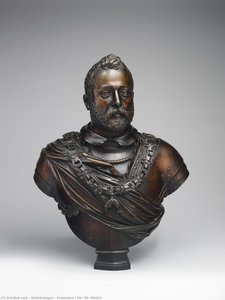
Francesco I De' Medici

메트로폴리탄 미술관

In the hallowed halls of the Museo del Prado, a silent yet commanding presence awaits the discerning eye. The bronze portrait of Francesco I De' Medici, masterfully executed…

Fortuna 의 잠보로냐
#41

Fortuna

메트로폴리탄 미술관

The bronze sculpture of Fortuna, a figure both captivating and enigmatic, stands as a testament to the artistic genius of Giovanni de Boulogne – better known as Giambologna.…

내 공간에 소장하기 →
Mars Gradivus (1580) 의 잠보로냐
#43

Mars Gradivus

1580

Born in Flanders, Jean de Boulogne was better known by his Italian name, Giovanni Bologna, or Giambologna for short. In the late sixteenth century, his small bronzes were…

복제화 주문하기 →
Door Knocker 의 잠보로냐
#44

Door Knocker

메트로폴리탄 미술관

Giambologna's "Door Knocker," a bronze sculpture created in the late 15th and early 16th centuries, is more than just a decorative object; it’s a meticulously crafted microcosm of…

내 공간에 소장하기 →

잠보로냐의 시대별 작품

잠보로냐 작가가 가장 많이 그린 주제

이 걸작들 사이에서 가장 자주 등장하는 네 가지 주제와 각 주제를 가장 잘 나타내는 대표작들.

잠보로냐의 작품 감상하기

이 페이지에 있는 작품을 가장 많이 소장하고 있는 8개의 미술관

소장 미술관 도시 잠보로냐의 작품 이 목록의 작품들
메트로폴리탄 미술관, 뉴욕메트로폴리탄 미술관 뉴욕 10 Crouching Venus, Anointment of the Dead Christ, Astronomy
란치 궁중, 피렌체란치 궁중 피렌체 6 Rape of the Sabines, Rape of the Sabines, Rape of the Sabines (12)
Piazza della Signoria, 피렌체Piazza della Signoria 피렌체 4 Equestrian Portrait of Cosimo I, Equestrian Portrait of Cosimo I (11), Equestrian Portrait of Cosimo I (12)
팔라초 베키오, 피렌체팔라초 베키오 피렌체 3 Apollo, Triumph of Virtue over Vice, Abduction of a Sabine Woman
바르젤로 국립 미술관, 피렌체바르젤로 국립 미술관 피렌체 3 Mercury (rear view), Turkey, Mercury (front view)
Piazza Maggiore, 볼로냐Piazza Maggiore 볼로냐 2 Fountain of Neptune, Neptune from the Fountain of Neptune
보볼리 정원, 피렌체보볼리 정원 피렌체 2 The Fountain of Oceanus, Perseus
Garden of the Villa Medici, 프라톨리노Garden of the Villa Medici 프라톨리노 2 Appenine, Appenine (detail)

잠보로냐, 시대별로 살펴보는 대표작

  1. 1560s
    Fountain of Neptune (1563) 의 잠보로냐
    47명 중 12위

    Fountain of Neptune

    연령대 31 – 40 · Piazza Maggiore

    The Fountain of Neptune is a bronze and stone monument located in Piazza del Nettuno, adjacent to Piazza Maggiore in Bologna, Italy. Created by the sculptor Giambologna, the…

  2. 1570s
    Venus (1573) 의 잠보로냐
    순위 21 / 47

    Venus

    연령대 41 – 50
  3. 1580s
    Rape of the Sabines (1581) 의 잠보로냐
    47명 중 1위

    Rape of the Sabines

    연령대 51 – 60 · 란치 궁중

    Giambologna’s “Rape of the Sabines,” sculpted in 1581, stands as an emblem of Mannerist art—a stylistic movement that prioritized expressive dynamism and psychological complexity over idealized beauty. Created…

  4. 1590s
  5. 1600s

잠보로냐의 걸작: 질의응답

잠보로냐의 대표작은 무엇인가요?정답 보기

Rape of the Sabines (1581), 란치 궁중, 피렌체. 다음은 Rape of the Sabines (1585)와(과) Crouching Venus입니다.

잠보로냐이(가) Rape of the Sabines을(를) 그릴 당시의 나이는 몇 살이었나요?정답 보기

52세: Rape of the Sabines은(는) 1581년 작품이며, 잠보로냐은(는) 1529년에 태어났습니다.

잠보로냐의 가장 위대한 명작 10선은 무엇인가요?정답 보기

Rape of the Sabines, Rape of the Sabines, Crouching Venus, Mercury, Anointment of the Dead Christ, Astronomy, Apollo, Bathing Venus, Mercury (rear view) 및 Astronomy. 위 순위는 각 작품의 제작 연도와 소장 박물관을 나타냅니다.

잠보로냐 작가는 몇 점의 작품을 그렸나요?정답 보기

잠보로냐의 작품 47점을 1560년부터 1602년 사이의 연대로 분류하여 목록에 담았습니다.

잠보로냐의 걸작은 어느 박물관에서 볼 수 있나요?정답 보기

대부분의 작품은 메트로폴리탄 미술관 (뉴욕), 란치 궁중 (피렌체) 및 Piazza della Signoria (피렌체)에 소장되어 있습니다. 위 표에 각 박물관 목록이 나열되어 있습니다.

잠보로냐이(가) 걸작을 그린 시기는 언제인가요?정답 보기

1580s 기간 동안: 이 페이지의 총 47점의 작품 중 15점이 해당 시기의 작품이며, 그중 Rape of the Sabines점이 포함되어 있습니다.

잠보로냐의 대표작 중 첫 번째와 마지막 작품은 무엇인가요?정답 보기

이 페이지의 가장 오래된 작품은 Turkey (1560), 가장 최근 작품은 Saint John the Evangelist (1602)입니다.

잠보로냐이(가) 가장 좋아했던 주제는 무엇이었을까요?정답 보기

이 페이지의 총 47점의 작품 중 Sculpture (12), Renaissance (10) 및 Bronze (7)

잠보로냐 작가가 주로 사용한 기법은 무엇인가요?정답 보기

Bronze: 이 페이지의 총 47점 중 7점

잠보로냐은(는) 어떤 미술 사조에 속해 있나요?정답 보기

이 페이지의 작품들이 보여주듯, Mannerism

메트로폴리탄 미술관에 전시된 잠보로냐의 걸작은 무엇인가요?정답 보기

Crouching Venus, Anointment of the Dead Christ 및 Astronomy은(는) 메트로폴리탄 미술관, 뉴욕이(가) 소장한 이 페이지의 작품 10점 중 일부입니다.

잠보로냐의 명작 복제본을 소장할 수 있나요?정답 보기

네, 이 페이지에 있는 모든 작품은 해당 작품의 상세 페이지에서 원하시는 크기로 박물관 품질의 수작업 유화 복제본 또는 파인 아트 프린트로 주문하실 수 있습니다.

잠보로냐의 생애

잠보로냐: 매너리즘을 정의한 조각가

훗날 잠보로냐라는 이름으로 알려진 장 불로뉴(1529 – 1608)는 이탈리아 르네상스와 바로크 시대를 통틀어 가장 영향력 있는 조각가 중 한 명으로 자리매김하고 있습니다. 현재의 프랑스 지역인 플랑드르 도에에서 태어난 그의 예술적 여정은 안트베르펜에서 자크 뒤 브뢰크 밑에서 받은 기초 교육으로부터 시작되었습니다. 이후 1550년, 그는 운명적인 로마 이주를 단행하며 고전 조각의 유산에 몰입하였고, 미켈란젤로가 주창한 양식적 혁신을 흡수하였습니다. 이러한 예술적 몰입은 표면 질감에 대한 정교한 감수성, 세련된 우아함, 그리고 초기 르네상스 예술에 만연했던 감정적 격정으로부터 의도적으로 탈피한 그만의 독창적인 매너리즘 양식을 형성하는 결정적인 계기가 되었습니다.
  • 초기 생애와 훈련: 불로뉴의 초기 예술적 성향은 안트베르펜의 건축적 환경 속에서 길러졌으며, 이는 로마에서 학업을 이어갈 때 매우 귀중한 기초 자산이 되었습니다. 특히 미켈란젤로의 기념비적인 작품들과 마주하며 얻은 해부학적 정밀함과 조각적 역동성에 대한 깊은 이해는 훗날 잠보로를 상징하는 예술적 특징으로 자리 잡았습니다.
  • 로마에서의 영향과 후원: 잠보로냐가 로마에서 보낸 시간은 메디치 가문의 후원이 급성장하던 시기와 맞물렸습니다. 이를 통해 그는 수많은 의뢰 작업을 확보하며 예술적 명성을 드높였고, 당대 최고의 조각가로서 입지를 굳혔습니다. 미켈란젤로의 영향은 단순한 양식적 모방을 넘어, 세밀한 관찰과 숙련된 실행력을 통해 이상적인 아름다움을 구현하고자 하는 철학적 의지로 이어졌습니다.

매너리즘 양식: 전통으로부터의 탈피

잠보로냐의 예술적 비전은 성기 르네상스 조각의 특징인 조화로운 균형과 감정적 웅장함을 과감히 거부했습니다. 대신 그는 본능적인 감각보다 지적 관조를 우선시하는 양식 운동인 매너리즘을 수용하였습니다. 이러한 접근 방식은 몇 가지 핵심적인 특징으로 나타났는데, 미묘하게 왜곡된 비율을 가진 길게 늘어진 신체, 위태로움을 전달하는 가느다란 옷주름, 그리고 유례없는 광택을 구현하기 위해 연마된 대리석 표면의 장식적 처리에 집중한 것이 그것입니다. 잠보로냐의 조각은 즉각적인 감정적 충격을 전달하기보다는, 당대의 폭넓은 지적 흐름을 반영하여 복잡한 철학적 개념에 대한 성찰을 유도하고자 했습니다. 그는 미켈란젤로가 완성하고 자신 또한 계승한 기법인 콘트라포스토(contrapposto)를 능숙하게 사용하여, 몸통이 관람객으로부터 약간 비껴나 있는 자세를 통해 움직임과 균형의 환상을 만들어냈습니다.
  • 표면 질감의 강조: 잠보로냐의 조각품들은 극도로 정교한 표면 마감으로 유명합니다. 그는 고통스러울 정도의 세밀한 연마 기술을 통해 빛의 반사를 극대화하였고, 이를 통해 빛과 그림자가 만들어내는 매혹적인 상호작용을 완성했습니다.
  • <역동적 구성과 해부학적 정밀함: 미켈란젤로의 이상화된 형태와 달리, 잠보로냐의 인물들은 다소 불안정한 사실성을 지니고 있었습니다. 이는 표현적 긴장감을 높이고 심리적 깊이를 전달하기 위해 의도적으로 해부학적 비율을 왜곡한 결과였습니다.

주요 작품과 의뢰 작업

잠보로냐의 방대한 작품 세계는 공공장소를 위한 기념비적인 조각부터 친밀한 초상 조각에 이르기까지 폭넓게 걸쳐 있으며, 이는 그를 당대 가장 찬사받는 예술가로 각인시켰습니다. 그의 정점에 달한 업적들은 다음과 같습니다.
  • 넵튠 분수 (볼로냐): 토마소 라우레티와 협력하여 진행한 이 야심 찬 프로젝트는 볼로냐 네투노 광장의 중심을 장식합니다. 잠보로냐는 바다의 신 넵튠을 거대한 청동상으로 제작하였으며, 그 주변을 해양 신화의 다양한 요소들을 상징하는 부수적인 인물들로 배치하였습니다.
  • 사비니 여인들의 납치 (피렌체): 1574년에서 1582년 사이에 완성된 이 대리석 걸작은 매너리즘 기법, 특히 콘트라포스토의 정수를 보여줍니다. 로마 전설의 극적인 서사를 숨 막히는 정밀함으로 포착해낸 작품입니다.
  • 메르쿠리우스 상 (피렌체): 전령의 신 메르쿠리우스를 묘사한 이 작품은 우아한 자세와 빛나는 표면 마감으로 찬사를 받으며, 매너리즘 특유의 우아함과 지적 관조의 정신을 완벽하게 구현하고 있습니다.

유산과 영향

잠보로냐의 영향력은 그의 생애를 넘어 후세대의 예술적 감수성을 형성하였고, 르네상스에서 바로크로 이행하는 과도기에서 그를 핵심적인 인물로 세웠습니다. 특히 역동적인 움직임과 심리적으로 복잡한 인물을 탐구한 그의 조각적 혁신은 베르니니나 카라바조와 같은 예술가들에게 영감을 주었으며, 이들은 매너리즘의 원리를 수용하여 새로운 표현의 길을 개척했습니다. 잠보로냐의 영원한 명성은 고전적 이상과 인문주의적 감수성을 하나의 독보적이고 매혹적인 미적 경험으로 통합해낸 그의 비할 데 없는 예술적 통찰력을 증명하고 있습니다.

잠보로냐의 작품 47점 전체 보기 →