Barnaba Da Modena, 1328 – 1386

Barnaba Da Modena: 가장 유명한 작품 9선

The Virgin and Child between Saint John the Baptist and Saint Michael (1350)은(는) Barnaba Da Modena의 가장 유명한 작품으로, 아비뇽의 Musée du Petit Palais에 소장되어 있습니다. Madonna and Child (1367)와 Pentecost (1371)는 세계적으로 가장 잘 알려진 다음 두 작품입니다. 우리 카탈로그에 수록된 Barnaba Da Modena의 작품 9점 중, 컬렉터와 미술관 관람객들이 가장 많이 찾는 9점을 선정하여 제작 연도, 소장 미술관 및 작품에 담긴 이야기와 함께 소개합니다.

각 작품의 검색, 방문 및 주문 수를 결합한 인기 점수를 기준으로 순위를 매깁니다. 10월 2026 업데이트됨. 이 페이지의 모든 명작은 원하시는 크기로 박물관 품질의 수작업 유화 복제화 또는 파인 아트 프린트로 주문하실 수 있습니다.

Barnaba Da Modena의 초상화
Barnaba Da Modena · 1328 – 1386
생몰 연도
1328 – 1386, Modena
카탈로그 작품 목록
9
가장 유명한
The Virgin and Child between Saint John the Baptist and Saint Michael (1350)
최다 소장처
국립 미술관

Top 10: Barnaba Da Modena의 대표작

Virgin and Child (1370) 의 Barnaba Da Modena
5

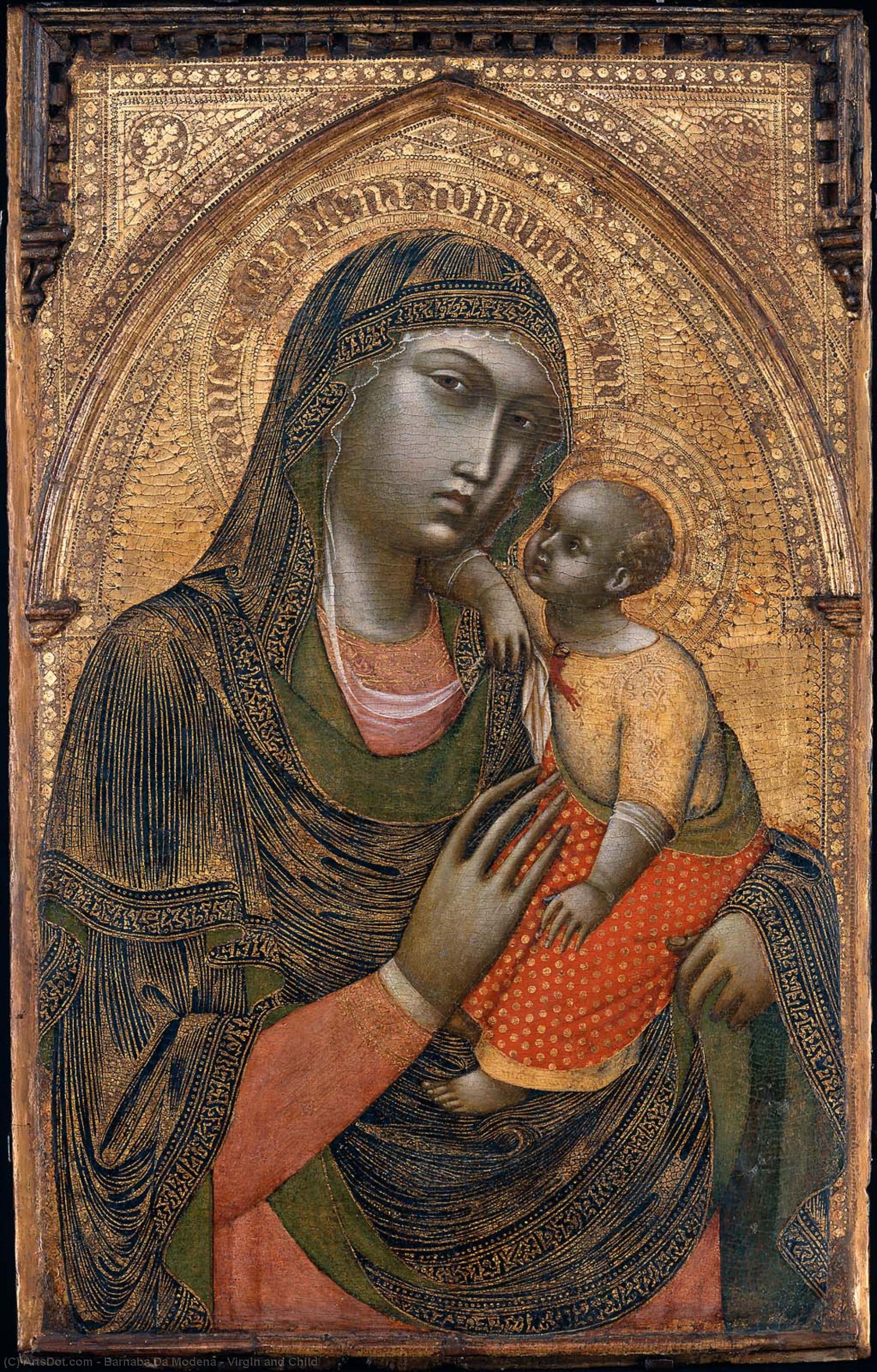
Virgin and Child

1370 · Oil On Canvas · 루브르 박물관, 파리

To gaze upon this depiction of the Virgin and Child is to step directly into the devotional heart of fourteenth-century Italy. The scene unfolds with an almost palpable intimacy; the Virgin Mary, adorned in rich blue robes and crowned with regal grace, cradles her infant son close to her breast. It is a moment suspended in time—a tender communion that speaks volumes of maternal love intertwined with divine mystery. Barnaba…

Virgin and Child (1360) 의 Barnaba Da Modena
7

Virgin and Child

1360 · Tempera On Panel · 보스턴 미술관, 보스턴

In the quiet intimacy of Barnaba da Modena’s Virgin and Child, we are invited into a sacred moment that transcends the centuries. Created around 1360, this masterpiece serves as a profound window into the spiritual heart of the Trecento period. The painting captures a deeply human connection between the Virgin Mary and her infant son, presenting a scene where divine majesty meets maternal tenderness. As she cradles the young boy,…

Crucifixion (1375) 의 Barnaba Da Modena
9

Crucifixion

1375 · Tempera On Panel · 인디애나폴리스 미술관, 인디애나폴리스

In the quiet sanctity of the Museum of Art in Indianapolis, there exists a window into the fourteenth century that transcends the mere passage of time. The Crucifixion by Barnaba da Modena, executed around 1375, is not merely a painting but a profound spiritual encounter. As one gazes upon this tempera on wooden panel, the viewer is immediately enveloped by the solemnity of the late medieval period. The composition centers…

Barnaba Da Modena 작가가 가장 많이 그린 주제

이 걸작들 사이에서 가장 자주 등장하는 네 가지 주제와 각 주제를 가장 잘 나타내는 대표작들.

Barnaba Da Modena의 작품 감상하기

이 페이지에 있는 작품을 가장 많이 소장하고 있는 8개의 미술관

소장 미술관 도시 Barnaba Da Modena의 작품 이 목록의 작품들
국립 미술관, 런던국립 미술관 런던 2 Pentecost, Scenes of the Virgin; The Trinity; The Crucifixion
Musée du Petit Palais, 아비뇽Musée du Petit Palais 아비뇽 1 The Virgin and Child between Saint John the Baptist and Saint Michael
슈테델 미술관, 프랑크푸르트슈테델 미술관 프랑크푸르트 1 Madonna and Child
Gemäldegalerie, 베를린Gemäldegalerie 베를린 1 Madona and Child
루브르 박물관, 파리루브르 박물관 파리 1 Virgin and Child
예일 대학교 미술관, 뉴헤이븐예일 대학교 미술관 뉴헤이븐 1 Mourning Virgin
보스턴 미술관, 보스턴보스턴 미술관 보스턴 1 Virgin and Child
인디애나폴리스 미술관, 인디애나폴리스인디애나폴리스 미술관 인디애나폴리스 1 Crucifixion

Barnaba Da Modena의 시대별 걸작: 각 시대를 대표하는 명작 하나씩

  1. 1350s
  2. 1360s
  3. 1370s
    Pentecost (1371) 의 Barnaba Da Modena
    9명 중 3위

    Pentecost

    연령대 42 – 51 · 국립 미술관

Barnaba Da Modena의 작품: 자주 묻는 질문

Barnaba Da Modena의 가장 유명한 작품은 무엇인가요?정답 보기

The Virgin and Child between Saint John the Baptist and Saint Michael (1350), Musée du Petit Palais, 아비뇽. 다음은 Madonna and Child (1367)와(과) Pentecost (1371)입니다.

Barnaba Da Modena 작가는 몇 살 때 The Virgin and Child between Saint John the Baptist and Saint Michael을(를) 그렸나요?정답 보기

22세: The Virgin and Child between Saint John the Baptist and Saint Michael은(는) 1350년 작품이며, Barnaba Da Modena은(는) 1328년에 태어났습니다.

Barnaba Da Modena의 작품은 몇 점인가요?정답 보기

Barnaba Da Modena의 작품 9점을 1350년부터 1375년 사이의 연대로 분류하여 목록에 담았습니다.

가장 유명한 Barnaba Da Modena의 작품은 어디에서 볼 수 있나요?정답 보기

대부분의 작품은 국립 미술관 (런던), Musée du Petit Palais (아비뇽) 및 슈테델 미술관 (프랑크푸르트)에 소장되어 있습니다. 위 표에 각 박물관 목록이 나열되어 있습니다.

Barnaba Da Modena의 대표작들은 어느 시대에 그려졌나요?정답 보기

1370s 기간 동안: 이 페이지의 총 9점의 작품 중 4점이 해당 시기의 작품이며, 그중 Pentecost점이 포함되어 있습니다.

Barnaba Da Modena의 가장 초기 유명 작품은 무엇이며, 가장 최근 작품은 무엇인가요?정답 보기

이 페이지의 가장 오래된 작품은 The Virgin and Child between Saint John the Baptist and Saint Michael (1350), 가장 최근 작품은 Crucifixion (1375)입니다.

Barnaba Da Modena은(는) 어떤 주제를 그렸나요?정답 보기

이 페이지의 총 9점의 작품 중 Byzantine style (3), Virgin mary (2) 및 Madonna and child (2)

Barnaba Da Modena은(는) 무엇에 무엇으로 그림을 그렸을까요?정답 보기

Tempera On Panel: 이 페이지의 총 9점 중 2점

국립 미술관에는 어떤 Barnaba Da Modena의 작품이 있나요?정답 보기

Pentecost 및 Scenes of the Virgin; The Trinity; The Crucifixion은(는) 국립 미술관, 런던이(가) 소장한 이 페이지의 작품 2점 중 일부입니다.

Barnaba Da Modena의 복제화는 어디에서 구매할 수 있나요?정답 보기

네, 이 페이지에 있는 모든 작품은 해당 작품의 상세 페이지에서 원하시는 크기로 박물관 품질의 수작업 유화 복제본 또는 파인 아트 프린트로 주문하실 수 있습니다.

Barnaba Da Modena: 약력

Barnaba da Modena (c. 1328 – c. 1386): A Byzantine Echo in Lombard Painting

Barnaba da Modena stands as a singular figure in the artistic landscape of fourteenth-century Italy—a pioneer who bravely championed a stylistic tradition largely abandoned by his contemporaries, firmly rooted in the grandeur and spirituality of Byzantium. Born around 1328 in Modena (Emilia), he emerged from obscurity to become arguably the first Lombard painter of considerable renown, leaving behind an impressive oeuvre that testifies to his unwavering devotion to this venerable artistic heritage. His activity spanned Lombardy, Piedmont, and Pisa in Tuscany, establishing him as a pivotal artist within the burgeoning cultural dynamism of the era.
  • Early Life & Training: Precise biographical details surrounding Barnaba’s formative years remain elusive. Records indicate he was active in Genoa from approximately 1364, where he secured patronage and honed his craft amidst a vibrant artistic milieu. This Genoese engagement undoubtedly exposed him to the prevailing stylistic currents of the time—a stark contrast to the increasingly naturalistic tendencies gaining traction elsewhere in Italy.
  • Byzantine Influence: Barnaba’s distinctive style is undeniably indebted to Byzantine painting, particularly its use of gold leaf and shimmering backgrounds. He meticulously replicated techniques perfected centuries earlier, prioritizing luminous color palettes and compositional schemes that emphasized symbolic grandeur rather than realistic representation. This commitment to tradition speaks volumes about his artistic sensibilities and reflects a profound understanding of the visual language of religious art.
  • Notable Works & Patronage: Barnaba’s prolific output encompassed around fifty paintings—a remarkable achievement considering the period—primarily focused on depictions of the Virgin Mary and Christ, often framed within elaborate architectural settings reminiscent of Byzantine churches. His commissions included prominent roles in Genoa’s Palazzo Ducale and contributed significantly to the artistic embellishment of ecclesiastical spaces throughout Lombardy.
  • Technique & Innovation: Despite adhering to Byzantine conventions, Barnaba demonstrated considerable technical skill—a testament to his meticulous attention to detail and masterful manipulation of pigment. His paintings exhibit a remarkable level of refinement, achieved through painstaking layering of glazes and incorporating subtle gradations of color that imbue the images with an ethereal quality.
  • Legacy & Influence: Barnaba’s artistic vision profoundly impacted subsequent generations of Lombard painters. Notably, Nicolò da Voltri continued his stylistic trajectory in Liguria until circa 1420, perpetuating Barnaba's Byzantine aesthetic and solidifying his position as a foundational figure in the development of Lombard painting. His enduring legacy resides not merely in his individual masterpieces but also in his contribution to shaping the artistic landscape of his time—a beacon of spiritual contemplation amidst the burgeoning complexities of the Renaissance.

Major Achievements & Artistic Style

Barnaba’s most celebrated achievements lie in his masterful execution of monumental frescoes adorning churches throughout Lombardy and Genoa. These works exemplify the pinnacle of Byzantine influence, characterized by:
  • Gold Leaf Backgrounds: Extensive use of gold leaf created radiant surfaces that evoked the splendor of imperial cathedrals—a deliberate stylistic choice reflecting Barnaba’s reverence for Byzantine iconography.
  • Symbolic Composition: Paintings prioritized conveying theological concepts through carefully orchestrated visual narratives, emphasizing spiritual significance over mere aesthetic beauty.
  • Luminous Color Palette: Barnaba skillfully employed vibrant hues—particularly blues and reds—to illuminate biblical scenes and imbue them with emotional intensity.

Connections & Artistic Context

Barnaba’s artistic milieu was shaped by the prevailing stylistic trends of his time, yet he steadfastly resisted the emerging naturalism championed by artists like Giotto di Bondone. He remained firmly committed to Byzantine principles—a conscious decision that distinguished him from many of his contemporaries and cemented his reputation as a champion of tradition. His work stands apart as an exceptional example of artistic integrity—a testament to his unwavering devotion to conveying spiritual truths through visual art.

Further Exploration

For deeper insights into Barnaba da Modena’s life and oeuvre, consult the following resources:
  • tiraboschi, Giuseppe Maria.Storia della letteratura lombarda dal secolo IX al XVI. Milano: Boccaveri Editore, 1867.

Barnaba Da Modena의 작품 9점 전체 보기 →