The Enigmatic Visions of Studio Luck!Ds
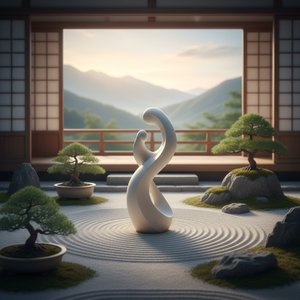
Studio Luck!Ds emerges as a contemporary artist whose work plunges viewers into the vibrant, dreamlike realms of “Room Fantazia.” While biographical details remain elusive – a deliberate choice perhaps, fostering an aura of mystery around their creations – the impact of their art speaks volumes. The studio’s singular piece, "Inner Peace," exemplifies a style that blends elements of digital illustration with a painterly sensibility, evoking both nostalgia and futuristic wonder. It's a world built on saturated colors, intricate patterns, and a palpable sense of tranquility, hinting at an exploration of inner landscapes and the search for solace in a chaotic world. The very name "Room Fantazia" suggests a constructed reality, a personal sanctuary crafted from imagination and perhaps, a response to external pressures.
Aesthetic Development & Influences
The aesthetic of Studio Luck!Ds is difficult to categorize neatly, drawing upon a diverse range of influences. There’s a clear echo of early digital art pioneers, particularly those who experimented with fractal geometry and psychedelic imagery in the 1980s and 90s. However, this isn't mere imitation; the studio infuses these elements with a distinctly modern sensibility. The meticulous detail within "Inner Peace" recalls the precision of Art Nouveau illustrations, while the overall composition hints at Japanese woodblock prints – specifically *Ukiyo-e* art, known for its serene landscapes and focus on everyday beauty.
- Digital Impressionism: The blending of digital techniques with a painterly style suggests an interest in capturing light and atmosphere reminiscent of the Impressionist movement.
- Japanese Aesthetics: The emphasis on harmony, balance, and natural forms points to a possible influence from traditional Japanese art practices.
- Cyberpunk & Vaporwave: The use of neon colors and futuristic elements subtly alludes to these subcultures, reflecting a fascination with technology and its impact on society.
"Inner Peace": A Window into the Studio's World
“Room Fantazia: Inner Peace” is not simply an image; it’s an invitation. The artwork depicts a meticulously rendered interior space bathed in soft, otherworldly light. Geometric shapes float and intertwine with organic forms, creating a sense of dynamic equilibrium. The color palette – dominated by shades of lavender, turquoise, and rose gold – evokes feelings of calm and serenity. There's a deliberate lack of human presence, suggesting that this is a space for introspection and self-discovery. The artwork’s title itself is profoundly significant, hinting at the studio’s intention to create an environment conducive to emotional healing and mental well-being. It feels less like a depiction of a physical room and more like a visualization of a peaceful state of mind.
Historical Significance & Contemporary Relevance
While Studio Luck!Ds is a relatively new presence on the art scene, their work resonates deeply with contemporary audiences grappling with themes of anxiety, isolation, and the search for meaning in an increasingly digital world. The studio’s ability to create immersive, emotionally evocative environments speaks to a growing desire for escapism and self-care. In a society saturated with information and constant stimulation, “Room Fantazia” offers a sanctuary – a virtual space where viewers can disconnect from the noise and reconnect with their inner selves. The artwork's popularity also reflects a broader trend towards digital art as a legitimate form of artistic expression, challenging traditional notions of what constitutes "high art." Studio Luck!Ds is not just creating images; they are crafting experiences, offering a glimpse into a world where imagination reigns supreme and peace can be found within the depths of one’s own mind.