

John Pairman을(를) 유명하게 만든 작품은 Francis Jeffrey (1773–1850), Lord Jeffrey, Judge and Critic (1823)이며, Edinburgh에 위치한 스코틀랜드 국립 초상화 갤러리에 전시되어 있습니다. Rachel Davidson (1838)와 Bridge over River Almond (1843)가 컬렉터와 미술관 관람객들의 마음을 그 뒤로 잇고 있습니다. John Pairman의 작품 13점 중 가장 많은 사랑을 받은 13점을 소개합니다. 각 작품은 제작 연도, 소장 미술관 및 작품의 특징과 함께 제공됩니다.
각 작품의 검색, 방문 및 주문 수를 결합한 인기 점수를 기준으로 순위를 매깁니다. 11월 2026 업데이트됨. 이 페이지의 모든 명작은 원하시는 크기로 박물관 품질의 수작업 유화 복제화 또는 파인 아트 프린트로 주문하실 수 있습니다.


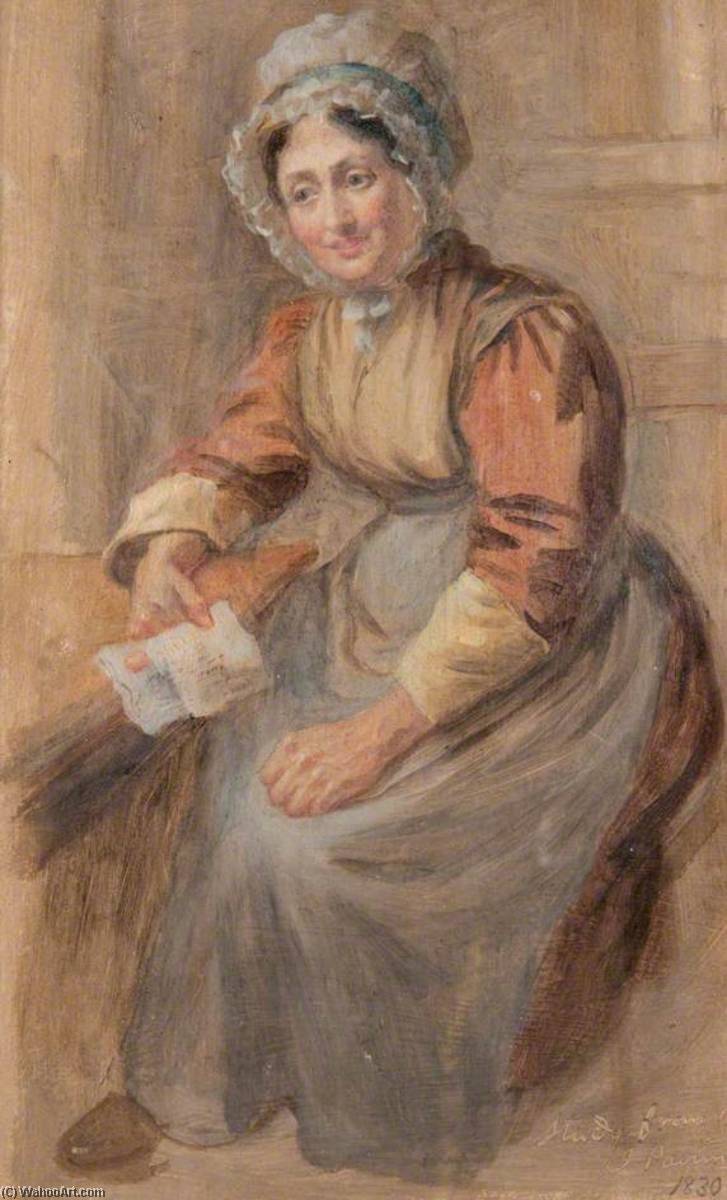


이 페이지에 있는 작품을 가장 많이 소장하고 있는 5개의 미술관
| 소장 미술관 | 도시 | John Pairman의 작품 | 이 목록의 작품들 |
|---|---|---|---|
 Moat Park Heritage Centre |
Biggar | 5 | Mrs Brown, Female Study, John Lamb of Carmichael |
 Gladstone Court |
Biggar | 4 | Rachel Davidson, Bridge over River Almond, Symington |
 스코틀랜드 국립 초상화 갤러리 |
Edinburgh | 2 | Francis Jeffrey (1773–1850), Lord Jeffrey, Judge and Critic, John Pairman (1788–1843), Artist, Self Portrait |
 The Hunterian Museum and Art Gallery |
글래스고 | 1 | A Cottage Interior |
 Holy Trinity Chapel |
Biggar | 1 | Family of Travellers Resting by a Donkey |


Francis Jeffrey (1773–1850), Lord Jeffrey, Judge and Critic (1823), 스코틀랜드 국립 초상화 갤러리, Edinburgh. 다음은 Rachel Davidson (1838)와(과) Bridge over River Almond (1843)입니다.
35세: Francis Jeffrey (1773–1850), Lord Jeffrey, Judge and Critic은(는) 1823년 작품이며, John Pairman은(는) 1788년에 태어났습니다.
Francis Jeffrey (1773–1850), Lord Jeffrey, Judge and Critic, Rachel Davidson, Bridge over River Almond, Mrs Brown, Female Study, Symington, A Cottage Interior, Robert Pairman (1782 1784–1867), John Lamb of Carmichael 및 Janet (Jess) Brown, Wife of Dr David Smith. 위 순위는 각 작품의 제작 연도와 소장 박물관을 나타냅니다.
John Pairman의 작품 13점을 1823년부터 1843년 사이의 연대로 분류하여 목록에 담았습니다.
대부분의 작품은 Moat Park Heritage Centre (Biggar), Gladstone Court (Biggar) 및 스코틀랜드 국립 초상화 갤러리 (Edinburgh)에 소장되어 있습니다. 위 표에 각 박물관 목록이 나열되어 있습니다.
이 페이지의 가장 오래된 작품은 Francis Jeffrey (1773–1850), Lord Jeffrey, Judge and Critic (1823), 가장 최근 작품은 Bridge over River Almond (1843)입니다.
Mrs Brown, Female Study 및 John Lamb of Carmichael은(는) Moat Park Heritage Centre, Biggar이(가) 소장한 이 페이지의 작품 5점 중 일부입니다.
네, 이 페이지에 있는 모든 작품은 해당 작품의 상세 페이지에서 원하시는 크기로 박물관 품질의 수작업 유화 복제본 또는 파인 아트 프린트로 주문하실 수 있습니다.
John Pairman (1788–1843) stands as a significant figure in the burgeoning landscape movement of early 19th-century Britain, yet his artistic legacy extends far beyond mere topographical representation. Born in Edinburgh, Scotland, Pairman’s formative years coincided with the rise of Romanticism—a cultural aesthetic prioritizing emotion and imagination over rational observation—influencing profoundly his artistic vision.
Pairman distinguished himself from his contemporaries through a remarkable dedication to landscape painting—a genre increasingly favored by artists seeking to express profound feelings and spiritual contemplation. Unlike many painters who adhered to strict academic conventions, Pairman embraced loose brushwork and vibrant color palettes, prioritizing atmospheric effects over precise detail.
Alongside his landscape paintings, Pairman produced a substantial body of portrait commissions—primarily depicting prominent figures from Scottish society. His portraits are notable for their sensitivity and psychological accuracy, capturing not only physical likeness but also the inner life of his subjects.
John Pairman’s contribution to Scottish art history is undeniable—he remains one of the foremost landscape painters of his era. His works continue to inspire admiration for their expressive power and technical virtuosity, securing his place as a pivotal figure in the Romantic movement.


