A Glimpse into a Renaissance Life Cut Short: Ambrosius Holbein
Born in the vibrant artistic hub of Augsburg, Germany, in 1494, Ambrosius Holbein emerged from a family already steeped in creative legacy. His father, Hans Holbein the Elder, was a pivotal figure transitioning German art from the intricate detail of the Gothic period towards the burgeoning Renaissance ideals sweeping across Europe. This familial environment wasn’t merely one of proximity to artistry; it was an immersive training ground where young Ambrosius, alongside his younger brother—the more renowned Hans Holbein the Younger—absorbed not only painting techniques but also the skills of goldsmithing, jewelry making, and printmaking. The workshop resonated with a collaborative spirit, evidenced by their inclusion in a panel of their father’s 1504 altar-piece triptych, “The Basilica of St. Paul,” a testament to the Holbein family's unified artistic vision. Augsburg itself provided fertile ground for development; a thriving center of commerce and culture, it exposed Ambrosius to diverse influences that would shape his early style.Basel and Artistic Flourishing
Around 1515, Ambrosius’s path led him to Stein am Rhein in Switzerland, where he collaborated with Thomas Schmid on murals within the St. George Monastery. This project showcased his aptitude for large-scale decorative painting, a skill honed through years of familial instruction. However, it was Basel that truly became the center of his artistic activity. Arriving around 1516, he initially worked as a journeyman in the studio of Hans Herbster, immersing himself further into the local art scene. His dedication and talent quickly earned him recognition; by 1517, Ambrosius was enrolled in the register of the Basel painters' guild, solidifying his position within the artistic community. A year later, in 1518, he achieved citizenship in Basel, a testament to his integration into the city’s social and professional life. This period marked a significant blossoming of his individual style, moving beyond familial influence towards a unique voice characterized by delicate realism and sensitive portraiture.A Legacy in Paint: Notable Works and Artistic Style
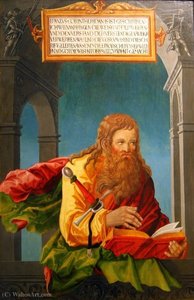
Though his career was tragically brief, Ambrosius Holbein left behind a body of work that reveals a masterful talent poised for even greater achievements. Among his most celebrated paintings are the companion pieces, “Portrait of a Boy with Blond Hair” and “Portrait of a Boy with Brown Hair,” both housed in the Basel Kunstmuseum. These portraits exemplify his skill in capturing not merely likeness but also the individual character and inner life of his subjects. Beyond portraiture, Ambrosius explored religious themes with works like "Death of the Virgin", demonstrating a command of composition and narrative storytelling. He was also recognized as an important illustrator, creating “small format” artworks that reveal a meticulous attention to detail and a refined aesthetic sensibility. His style reflects the growing influence of Renaissance ideals in Northern Europe—a focus on realism, detailed observation, and a burgeoning humanism. He skillfully blended these influences with the existing traditions of German painting, resulting in works that are both innovative and deeply rooted in his artistic heritage. "The Island of Utopia" and “Signboard for a Schoolmaster” further demonstrate this range, showcasing his versatility across different genres and formats.A Pivotal Figure: Historical Significance and Lasting Influence
Sadly, Ambrosius Holbein’s promising career was cut short by his death around 1519, at the young age of approximately twenty-five. This untimely passing left behind a relatively small but remarkably significant body of work. Despite its brevity, his artistic contribution played an important role in the transition from Gothic to Renaissance art not only in Basel but also beyond. He served as a crucial link between the older traditions and the new aesthetic sensibilities that were transforming European art. Perhaps most importantly, his contributions likely influenced the development of his younger brother, Hans Holbein the Younger, who would go on to become one of the most celebrated portrait painters of the Renaissance. Ambrosius’s legacy extends beyond his individual paintings; he is remembered as a key figure among Basel’s illustrators and artists specializing in “small format” works—a testament to his skill, innovation, and enduring impact on the artistic landscape of his time. His work continues to offer a fascinating glimpse into a pivotal moment in art history, revealing the talent and potential of an artist whose life was tragically cut short.질의응답
특정 매체로 분류된 Ambrosius Holbein의 모든 작품을 어떻게 찾을 수 있나요?
특정 매체로 제작된 Ambrosius Holbein의 모든 작품을 확인하시려면, 작가의 모든 매체 페이지를 이용해 주세요.
주제별로 Ambrosius Holbein의 작품을 탐색할 수 있나요?
주제별 아틀라스 페이지에서는 Ambrosius Holbein의 작품들을 주제별로 찾아보실 수 있습니다.
Ambrosius Holbein의 작품을 연도순으로 어디에서 볼 수 있나요?
Ambrosius Holbein의 작품 연표를 확인해 보세요: 작품 연대기 페이지에서 작품들을 제작 날짜순으로 보실 수 있습니다.