Introduction
Close your eyes for a moment and imagine colors not as bold statements, but as gentle whispers. Think of hues that caress the eye rather than demand attention – shades that evoke tranquility, nostalgia, and a profound sense of peace. This is the realm we’ll be exploring: the captivating world of artworks celebrated for their ‘soft’ color intensity.
Throughout art history, while vibrant palettes have often dominated narratives, there has always existed a parallel current – a preference for subtlety, nuance, and atmospheric effects. From the delicate washes of early Renaissance paintings to the ethereal light of Impressionism and beyond, artists have consistently sought ways to express emotion through restrained color choices. These weren’t simply limitations of technique; they were deliberate aesthetic decisions reflecting evolving cultural values and philosophical perspectives.
The 17th and 18th centuries saw a rise in Rococo art, characterized by pastel shades and playful scenes – an escape into idyllic beauty. The Romantic movement then embraced softer tones to convey emotion and the sublime power of nature. Later, artists like James McNeill Whistler championed ‘art for art’s sake,’ prioritizing harmonious color arrangements over narrative content. These movements weren't isolated; they were part of a broader shift towards introspection, emotional sensitivity, and an appreciation for the ephemeral qualities of life.
Today, these artworks continue to resonate deeply because they offer respite from the noise and intensity of modern life. They invite us to slow down, contemplate, and connect with our inner selves. The gentle color palettes act as a balm, fostering a sense of calm and allowing for personal interpretation. They remind us that power doesn’t always lie in grand gestures but can be found in the quietest moments of beauty.
Over the following list, we will journey through ten exceptional artworks—each a testament to the enduring allure of soft color intensity. Prepare to be transported by their delicate hues and discover the stories they hold within their subtle depths."
"Mona Lisa (La Gioconda) - Leonardo da Vinci
 Mona Lisa (La Gioconda) - Leonardo da Vinci
A veil of smoke and shadow, a whisper of a smile – Leonardo da Vinci’s Mona Lisa transcends portraiture to become an icon of human mystery.
Painted around 1519, this work isn't celebrated for bold hues but for the revolutionary subtlety of its color. Da Vinci’s masterful use of sfumato – literally ‘smoked,’ referring to the delicate blurring of lines and transitions – creates an atmospheric softness that has captivated viewers for centuries. The layers of translucent glazes build a lifelike quality, rendering Lisa Gherardini not as a static figure but as a breathing presence.
The muted palette, dominated by earthy tones and gentle gradations, is key to the painting’s enduring appeal. It's a color story that speaks of introspection and quiet dignity, a departure from the more vibrant styles of earlier Renaissance portraiture. This emphasis on nuance profoundly influenced subsequent generations of artists, shaping our understanding of psychological realism in art.
Today, we see echoes of this soft intensity in modern interiors – calming palettes of sage greens, warm grays, and muted browns that evoke a sense of serenity and timeless elegance. The Mona Lisa reminds us that true beauty often lies not in ostentation but in the delicate balance of light, shadow, and emotion—a testament to the power of ‘soft’ color intensity."
"Starry Night (New York, MoMA) - Vincent Willem van Gogh
 Starry Night (New York, MoMA) - Vincent Willem van Gogh
A swirling embrace of midnight blues and radiant yellows – Vincent van Gogh’s Starry Night isn't merely a painting; it’s a window into the soul, forever capturing a moment of profound beauty and unrest.
Created in 1889 during his stay at Saint-Paul-de-Mausole asylum, this work earns its place among the Top 10 for its unparalleled emotional intensity and innovative technique. Van Gogh’s signature impasto – thick layers of paint applied with visible brushstrokes – creates a tactile surface that seems to pulse with life. The swirling patterns aren't observational; they *are* the emotion itself, rendered in vibrant color.
The ‘soft’ intensity lies not in brightness but in the harmonious contrast between the luminous sky and the peaceful village below. These muted tones—deep blues, gentle yellows, and earthy greens—evoke a sense of longing and quiet contemplation. The cypress tree, reaching towards the heavens, acts as a powerful symbol of both sorrow and aspiration.
Today, we find echoes of this calming yet dynamic palette in modern interiors – sophisticated spaces that embrace natural textures and muted color schemes to create an atmosphere of serenity and introspection. Starry Night reminds us that beauty can be found even in the darkest of times, a testament to the enduring power of ‘soft’ color intensity."
"The Scream - Edvard Munch
 The Scream - Edvard Munch
Before a name is spoken, imagine a silence so profound it echoes with anguish—this is the essence of Edvard Munch’s The Scream .
Painted in 1893, this work transcends its historical context to become a universal symbol of modern anxiety. Its inclusion among the Top 10 isn't for technical brilliance alone, but for its raw emotional power and groundbreaking expressionist style. Munch didn’t seek to depict reality; he aimed to translate an inner state onto canvas—a visceral experience of isolation and dread.
The ‘soft’ intensity lies in the swirling lines and unsettling color palette. Fiery oranges and reds clash with cool blues, mirroring the turmoil within the central figure. Broad brushstrokes, scraped and manipulated across the canvas, create a textured surface that amplifies the work's emotional weight. The distorted forms and flattened perspective draw you into the scene’s vortex.
Today, The Scream continues to resonate because it articulates feelings often left unspoken. Its presence in contemporary spaces—whether as a reproduction or inspiration for design—adds depth and invites contemplation. It reminds us that art can be more than just aesthetically pleasing; it can be a powerful reflection of the human condition."
"The Birth Of Venus - Sandro Botticelli
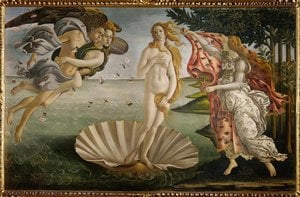 The Birth Of Venus - Sandro Botticelli
A whisper of sea foam and a blush of dawn – Sandro Botticelli’s The Birth of Venus isn't simply a depiction of mythology; it’s an embodiment of Renaissance ideals, forever capturing the essence of beauty and rebirth.
Painted around 1485, this work earns its place among the Top 10 for its delicate linearity and ethereal grace. Botticelli eschews harsh lines in favor of flowing contours, creating a sense of movement that seems to breathe life into the canvas. The ‘soft’ intensity lies in the pastel palette—pale flesh tones contrasted with cool blues and greens—evoking a dreamlike quality.
The figures are elongated and graceful, their forms defined by meticulous brushwork. Venus herself emerges from the shell not as a goddess of power but as a symbol of spiritual awakening. The surrounding Horae and Zephyrus add to the painting’s harmonious composition, representing the blossoming of earthly beauty.
Today, The Birth of Venus continues to inspire a sense of calm and sophistication in modern interiors—spaces that embrace natural textures and muted color schemes. It reminds us that true beauty lies not in ostentation but in the delicate balance of form, light, and emotion."
"American Gothic - Grant Wood
 American Gothic - Grant Wood
A stillness hangs in the air—a quiet dignity etched onto weathered faces and a simple farmhouse—this is the enduring power of Grant Wood’s American Gothic .
Painted in 1930, this work transcends its status as a portrait to become a cultural icon. Its inclusion among the Top 10 isn't for flamboyant color but for its masterful use of subtle tones and precise detail—a testament to Wood’s dedication to capturing the spirit of rural America.
The ‘soft’ intensity lies in the muted palette—earthy browns, greens, and grays that evoke a sense of stoicism and resilience. The smooth brushwork and geometric forms create a unique visual impact, setting it apart from traditional portraiture. Every element – the pitchfork, the Carpenter Gothic window, the colonial print dress – carries symbolic weight.
At , we believe that art should be accessible—a way to bring beauty and meaning into everyday life. American Gothic embodies this philosophy perfectly. Its timeless presence adds depth and sophistication to any space, reminding us of the enduring values of hard work, faith, and a connection to the land."
"Three Musicians - Pablo Picasso
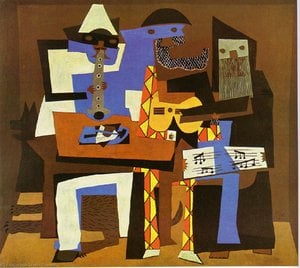 Three Musicians - Pablo Picasso
Imagine a silent stage—a gathering of souls lost in their own melodies, yet connected by an unspoken energy—this is the atmosphere that permeates Pablo Picasso’s Three Musicians .
Painted in 1921, this work earns its place among the Top 10 for its innovative use of color and form. Departing from the fragmented analysis of earlier Cubist works, Picasso embraces bolder hues and flatter planes, creating an image that feels both intellectually stimulating and visually captivating.
The ‘soft’ intensity lies in the harmonious interplay of blues, browns, and ochre tones—a palette that evokes a sense of intimacy and contemplation. The figures, constructed from geometric shapes, aren't realistic representations but rather symbolic embodiments of creativity and artistic expression. While appearing almost collage-like, this is achieved entirely through paint.
At , we believe art should be more than just decorative—it should evoke emotion and inspire connection. Three Musicians embodies this philosophy perfectly. Its timeless presence adds depth and sophistication to any space, reminding us of the power of music, performance, and the enduring human spirit."
"The Girl with a Pearl Earring - Johannes Vermeer
 The Girl with a Pearl Earring - Johannes Vermeer
A single pearl—a luminous drop suspended from a velvet darkness—captures our gaze and holds it captive, inviting us into the world of Johannes Vermeer’s The Girl with a Pearl Earring .
Painted in 1665, this work earns its place among the Top 10 for its exquisite beauty and masterful use of light. Vermeer wasn't striving for realism alone; he sought to capture an ephemeral moment—a fleeting expression that transcends time.
The ‘soft’ intensity lies in the delicate gradations of color and the smooth blending of tones. Thin layers of oil paint – glazes – create a luminous effect, particularly in the rendering of skin and fabric. The restrained palette—deep blacks, golden yellows, and vibrant blues—focuses attention on the figure's captivating gaze.
At , we believe art should be more than just decoration; it should evoke emotion and inspire contemplation. The Girl with a Pearl Earring embodies this philosophy perfectly. Its timeless presence adds depth and sophistication to any space, reminding us of the power of beauty and the enduring mysteries of the human spirit."
"The Disintegration of Persistence of Memory, 1952-54 - Salvador Dalí
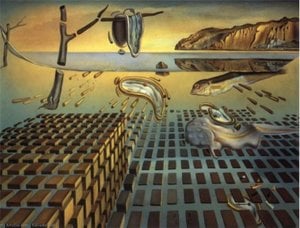 The Disintegration of Persistence of Memory, 1952-54 - Salvador Dalí
Imagine time itself dissolving—not with a sudden crash, but with a slow, melancholic drip—this is the haunting beauty of Salvador Dalí’s The Disintegration of Persistence of Memory .
Created between 1952 and 1954, this work earns its place among the Top 10 for its profound exploration of time, memory, and decay. It's not merely a reimagining of his earlier masterpiece but rather a visual meditation on the fragility of existence.
The ‘soft’ intensity lies in the muted color palette—earthy browns, ochres, and pale blues—that evokes a sense of stagnation and loss. Dalí’s meticulous technique creates incredibly detailed rendering, particularly evident in the textures of the melting clocks and barren landscape. The composition utilizes a strong diagonal line to guide the viewer's eye through this dreamscape.
At , we believe art should be more than just decoration; it should evoke emotion and inspire contemplation. The Disintegration of Persistence of Memory embodies this philosophy perfectly. Its timeless presence adds depth and sophistication to any space, reminding us of the subjective nature of time and the enduring power of memory."
"Las Meninas or The Family of Philip IV - Diego Rodríguez de Silva y Velázquez
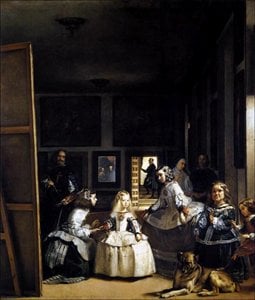 Las Meninas or The Family of Philip IV - Diego Rodríguez de Silva y Velázquez
Step into a sunlit chamber—a world of quiet observation and subtle power—and you’ll find yourself within Diego Velázquez’s Las Meninas .
Completed in 1656, this work earns its place among the Top 10 for its unprecedented exploration of representation and reality. More than a portrait, it's a complex meditation on artistic creation itself—a painting that continues to challenge and captivate centuries later.
The ‘soft’ intensity lies in Velázquez’s masterful application of light and shadow, creating a sense of depth and realism with astonishing economy. His loose brushstrokes – revolutionary for their time – define forms with an elegant fluidity, suggesting texture rather than meticulously outlining them. The restrained palette—deep blacks, warm ochres, and subtle flesh tones—focuses attention on the figures’ engaging gazes.
At , we believe art should be more than just decoration; it should evoke emotion and inspire contemplation. Las Meninas embodies this philosophy perfectly. Its timeless presence adds depth and sophistication to any space, reminding us of the power of observation, the complexities of perception, and the enduring legacy of artistic genius."
"Water Lilies - Claude Monet
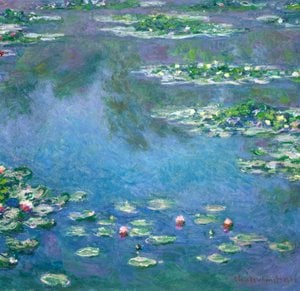 Water Lilies - Claude Monet
Lose yourself in a world of shimmering light and delicate color—a glimpse of paradise captured by Claude Monet’s Water Lilies .
This quintessential example of Impressionism, painted in 1906, earns its place among the Top 10 for its profound emotional resonance. It's not simply a depiction of a pond; it’s an invitation to experience the fleeting magic of atmosphere and the subjective impression of beauty.
The ‘soft’ intensity lies in Monet’s masterful use of color—shades of green, blue, pink, and white applied in loose brushstrokes that shimmer with light. The impasto technique creates a tactile quality, drawing the viewer into this tranquil garden sanctuary. This deliberate lack of strong focal points encourages contemplation.
At , we believe art should transform spaces and evoke emotion. Water Lilies embodies this philosophy perfectly. Its timeless presence adds depth and serenity to any home, reminding us of the power of nature and the enduring legacy of Impressionistic genius."
"Conclusion
As the light fades on these ten masterpieces, we are left not with relics of the past, but with living presences—each canvas a window into another world, another heart, another moment of grace.
These artworks remind us that beauty isn’t merely about what is depicted, but how it is *felt*. The subtle shifts in color, the delicate textures, the quiet emotions—these are the elements that resonate across centuries, shaping our interiors and inspiring our own creative spirits. They offer a sanctuary from the everyday, a space for contemplation, and a gentle reminder of the enduring power of human expression.
To truly experience these works is to invite them into your life—to live with their light, texture, and emotion as daily companions. At , we believe that art should be accessible to all, transforming spaces and enriching lives. We are honored to offer hand-painted reproductions of these iconic masterpieces, allowing you to bring a piece of this timeless beauty into your own home.
Explore our full collection and discover the artwork that speaks to your soul. May it inspire moments of wonder, contemplation, and joy for years to come."
"