작가가 직접 캔버스에 손으로 그린 유화 작품으로, 원하는 크기와 액자로 맞춤 제작해 드립니다. ( 프린트 판매로 전환 디지털 이미지 판매 채널로 전환)





























작품의 원본 비율을 그대로 유지하는 프리셋 사이즈 중에서 선택해 보세요.

액자나 벽면 크기에 맞춰 필요한 가로와 세로 길이를 입력해 주세요. 본 작품은 수작업으로 제작되므로, 요청하신 비율에 따라 작가가 그림의 가장자리를 조금 더 넓게 그리거나 일부를 조정하여 작업할 수 있습니다. 작업 시작 전, 최종 확인을 위해 디지털 목업 이미지를 보내드립니다. 이 페이지에 표시된 이미지는 실제 결과물과 다를 수 있으며, 오직 목업 이미지만이 정확한 결과물을 보여줍니다.
St Augustine
복제본 규격
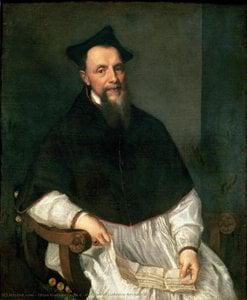
Titian Ramsay Peale II's "St Augustine" is more than just a portrait; it’s a quiet contemplation rendered in oil, a testament to the enduring power of faith and intellectual pursuit. The painting centers on the figure of St Augustine of Hippo, one of the most influential theologians and philosophers in Christian history. Peale presents him not as a distant icon, but as a man deeply immersed in thought, his gaze directed inward, suggesting a profound inner life. The artist’s meticulous attention to detail – evident in the rendering of Augustine's beard and the folds of his garments – speaks to a dedication to both technical skill and respectful representation. The composition is deliberately focused on the face and upper body, drawing the viewer into an intimate encounter with this pivotal figure.
Born in 1799, Titian Ramsay Peale II inherited a rich artistic lineage as the son of Charles Willson Peale, a celebrated American portraitist. This familial influence undoubtedly shaped his early training and instilled within him an appreciation for capturing the likeness and character of his subjects. However, Peale II distinguished himself through a clear affinity for the High Renaissance aesthetic – a style characterized by its emphasis on balance, harmony, and idealized forms. This is particularly evident in “St Augustine,” where the figure’s features are rendered with a classical grace reminiscent of Italian masters. The inclusion of a clock in the background adds an intriguing layer to the composition; it could symbolize the passage of time, the weight of history, or perhaps even Augustine's own reflections on temporality and eternity.
St Augustine himself is laden with symbolic meaning. As Bishop of Hippo, he was a pivotal figure in shaping Christian doctrine, particularly his writings on grace, sin, and redemption. Peale’s depiction subtly alludes to these intellectual contributions; the contemplative pose suggests Augustine's tireless pursuit of truth and understanding. The staff held in his hand is a traditional symbol of pastoral authority, representing his role as a shepherd guiding his flock. Beyond the religious symbolism, the painting also evokes a sense of humanism – a celebration of individual intellect and spiritual yearning that was central to Renaissance thought. The overall effect is one of quiet dignity and profound introspection.
For many years, Titian Ramsay Peale II remained somewhat overshadowed by his more famous father. However, recent scholarship has begun to recognize the unique contributions of this talented artist. His work represents a fascinating intersection of American artistic traditions and European Renaissance ideals. “St Augustine” stands as a compelling example of his skill and vision – a painting that invites viewers to engage with both the historical figure it portrays and the enduring questions of faith, knowledge, and the human condition. A reproduction of this piece would bring not only aesthetic beauty but also a sense of intellectual depth and spiritual resonance to any space.
"St Augustine"은 작품의 X선 분석 페이지에서 층별로 자세히 살펴볼 수 있습니다. 이 뷰어는 보존 과학자의 라이트 벤치(light bench)에서 영감을 얻었으며, 이미지의 11가지 광학적 판독값을 제공합니다.
티티안 램지 필 Ii의 "St Augustine"의 인기도는 Recognized 수준입니다. 이 분류는 해당 작품이 얼마나 널리 알려져 있는지를 반영합니다.
High Renaissance 양식의 작품 "St Augustine"은 미국에서 태어난 작가에 의해 제작되었습니다.
1799년 필라델피아에서 태어난 티티안 램지 필 II는 미국의 초기 미술계에 깊숙이 뿌리내린 예술적 혈통을 자랑했습니다. 그는 조부인 찰스 윌슨 필의 아들로서, 미국 최초의 박물관 설립자이자 뛰어난 초상화가였던 아버지의 그림자에 가려졌지만, 자신만의 독특한 길을 개척했습니다. 티티안은 고대 미술, 특히 베네치아 화파의 미학적 이상에 깊이 뿌리를 둔 예술가였습니다. 그는 단순히 스타일을 모방하는 것이 아니라, 깊은 예술적 감성을 불어넣으며 캔버스에 정교한 디테일과 생생한 색채를 담아냈습니다. 격동적인 미국 사회 속에서 그의 예술적 심장은 고전주의에 대한 존경심과 새로운 세계의 표현 사이의 긴장감을 만들어냈습니다.
필 II의 어린 시절은 예술과 자연 역사라는 이중적인 매력으로 가득했습니다. 그의 아버지는 다방면으로 활동하며 이러한 조합을 키워주었습니다. 그는 1819년~20년에 스티븐 해리먼 롱이 이끄는 로키산맥 탐험에 동행하며, 식물과 동물들을 점점 더 정교한 시각으로 기록했습니다. 이는 단순한 관찰 기록이 아니라 형태, 빛, 질감을 이해하는 과정이었으며, 이후 그림 작업에 전념할 때 큰 도움이 되었습니다. 자연주의자로서의 경험은 그의 예술에 과학적인 정확성을 부여했을 뿐만 아니라, 단순한 묘사를 넘어 감정적 울림을 더했습니다. 그는 단순히 보이는 대로 그리는 것이 아니라, 사물의 본질적인 아름다움과 영적인 의미를 드러냈습니다.
티티안(Titian)에게서 이름을 얻은 그는 베네치아 색채주의의 영향을 받았습니다. 이는 풍부하고 빛나는 색상과 대기 효과를 옹호하는 예술가들의 스타일입니다. 그는 이러한 거장들을 단순히 모방하는 것이 아니라, 그들의 원리를 내면화하여 자신의 예술적 비전에 적용했습니다. 특히 종교 작품에서 두드러지는데, “성스러운 네 명의 성인 제단”, "목자들의 경배"와 같은 그림들은 단순한 장면 묘사가 아닌, 정교하게 구성된 구도와 색채를 통해 감정을 불러일으키는 몰입적인 경험을 선사합니다. 이러한 작품에 나타난 세부 사항에 대한 세심한 주의는 그의 뛰어난 기술뿐만 아니라 주제에 대한 깊은 경외심을 보여줍니다. "미녀"는 인간의 형태와 개성을 우아함과 정교함으로 포착하는 그의 능력을 더욱 입증합니다.
20세기 대부분 동안 티티안 램지 필 II는 미술사적 서술에서 큰 주목을 받지 못했습니다. 그의 작품은 기존의 유행에 쉽게 들어맞지 않았고, 급변하는 예술계에서 고전주의에 대한 헌신이 시대에 뒤떨어진다고 여겨졌습니다. 그러나 최근 몇 년 동안 그의 공헌에 대한 재평가가 이루어지고 있습니다. 학자와 수집가들은 그의 그림을 특징짓는 미국적 감성과 유럽 전통의 독특한 조화에 주목하고 있습니다. 그의 작품의 재발견은 미술사의 빈틈을 메우는 것 이상으로, 19세기 미국의 복잡한 문화적 힘을 더 깊이 이해하는 데 도움이 됩니다. 필 II는 세계를 연결하는 다리이며, 고전적인 이상의 지속적인 힘에 대한 증거이자 예술적 혁신이 예상치 못한 영향력의 조합에서 자주 발생하는 것을 상기시켜 주는 존재입니다.

1799 - 1885 , 미국

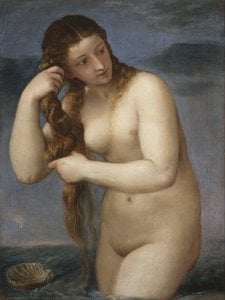
Explore the luminous mastery of Titian. Discover how the Venetian master revolutionized color and light through breathtaking Renaissance techniques, from Venus Anadyomene to profound allegories, and learn to bring this timeless brilliance into your private collection.

 실제 크기로 보기
 보내기
보내기 공유하기
공유하기
 상세 보기
상세 보기 가이드 보기

 이미지 다운로드
 유사 작품 더 보기
 X-레이
X-레이 슬라이드 쇼 보기
 통계 정보
통계 정보


 상세 보기
상세 보기









 유리 옵션은 110cm 미만 크기에서만 선택 가능합니다.