
x































작품의 원본 비율을 유지하는 미리 설정된 크기 중에서 선택하세요.

특정 프레임이나 공간에 맞도록 직접 크기를 입력할 수 있습니다. 선택하신 크기가 원본 이미지의 비율과 일치하지 않는 경우, 작품을 자르거나 추가적인 손으로 그린 요소를 사용하여 그림을 확장합니다. 제작 시작 전 승인을 위해 디지털 목업을 보내드립니다.
화면 미리 보기는 실제 자르기 또는 확장을 반영하지 않습니다. 최종 구성은 목업을 통해서만 정확하게 확인하실 수 있습니다.
맞춤 크기 제작도 가능하지만, 원본 비율을 유지하기 위해 사전 정의된 목록에서 크기를 선택하시는 것을 권장합니다.

성 도미니코
복제본 크기

In the golden, sun-drenched landscape of seventeenth-century Spain, few names resonate with the spiritual gravity and technical grace of Pedro Anastasio Bocanegra. Born in Granada in 1638, Bocanegra emerged not merely as a painter, but as a visual poet capable of translating the profound mysteries of the Catholic faith into breathtaking canvases. His life was deeply intertwined with the artistic pulse of his native city, where he rose to become the most active and sought-after painter of his era. To walk through the halls of Granada’s great cathedrals is to encounter his legacy, a testament to an artist who could command both the monumental scale of religious devotion and the delicate intimacy of human emotion.
The foundations of Bocanegra’s genius were laid under the watchful eye of the legendary Alonso Cano. This early apprenticeship was transformative; from Cano, Bocanegra inherited a meticulous reverence for classical proportions and a sculptural approach to the human form. Yet, he was never a mere imitator. As his career matured, he sought out the broader horizons of the Spanish Baroque, absorbing the vibrant, painterly nuances of Juan de Sevilla Romero and refining his mastery of color by studying the works of Pedro de Moya and the incomparable Anthony van Dyck. This synthesis of influences allowed him to develop a style that married the structural discipline of his training with a new, luminous softness—a technique characterized by a gentle modeling of flesh and a sentimental depth that moved the viewer toward piety.
Bocanegra’s oeuvre is a profound exploration of the Baroque aesthetic, where light serves as a divine protagonist. His works often utilize dramatic chiaroscuro to pull figures from the shadows, creating an illusionistic space that feels both theatrical and sacred. One cannot discuss his greatness without mentioning St Dominic in Soriano, currently held in the prestigious Museo del Prado. In this masterpiece, the artist achieves a sublime balance of movement and stillness, using vigorous compositions to convey the spiritual fervor of the saint. His ability to manipulate light does not merely illuminate a scene; it sanctifies it, turning every brushstroke into an act of worship.
His prolific output was driven by significant ecclesiastical commissions that shaped the visual identity of Andalusia. Between 1670 and 1673, Bocanegra undertook monumental tasks, such as painting the life of the Virgin for the Charterhouse in Granada and creating works for the convent of the Discalced Trinitarians. These large-scale cycles showcased his ability to manage complex, multi-figure compositions that utilized dynamic movement to guide the eye through sacred narratives. Whether depicting the Adoration of the Magi or the Conversion of St. Paul, Bocanegra possessed a unique talent for infusing even the most grandiloquent scenes with a sense of palpable, human tenderness.
Despite his immense success and the high regard in which he was held by the Archbishops of Granada, Bocanegra’s personal narrative was marked by a complex temperament. Historical accounts suggest an artist possessed of a formidable, perhaps even arrogant, ego—a man who boasted of his superiority over his contemporaries. This ambition eventually led him to the royal courts of Seville and Madrid, where he achieved the prestigious status of court painter in 1676. However, the pressures of competition and the challenges of maintaining his reputation in the capital proved taxing, leading to a retreat from the intense scrutiny of the Madrid art scene.
Ultimately, Bocanegra’s contribution to the Spanish Baroque remains an indelible part of European art history. While some critics have noted that his immense productivity occasionally led him to prioritize quantity over the meticulous quality of his youth, the sheer breadth and emotional resonance of his surviving works are undeniable. He remains a pivotal figure who bridged the gap between the classical traditions of Alonso Cano and the more emotive, fluid styles of the late seventeenth century. Through his hands, the spiritual aspirations of an age were given form, color, and an eternal, luminous life.

1638 - 1689 , Spain
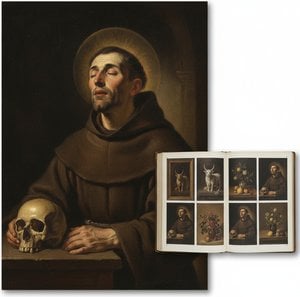
Immerse yourself in the dramatic world of Francisco de Zurbarán. Explore 25 iconic Spanish Baroque masterpieces defined by intense tenebrism and spiritual realism. Find inspiration for museum-quality art reproductions and decor. Discover all masterpieces on WahooArt.com.

Explore the profound drama of Spanish Baroque art. Delve into the mastery of light, shadow, and realism through the legendary works of Diego Velázquez and the Spanish Golden Age.
Step into the drama of the Baroque era. Explore 10 iconic masterpieces featuring breathtaking chiaroscuro and legendary artists. Find inspiration for your collection with museum-quality art reproductions at WahooArt.com. Discover all masterpieces on WahooArt.com


최신 미술 뉴스, 특별 혜택 및 인테리어 아이디어를 가장 먼저 만나보세요.
프로젝트에 대해 알려주시면 저희 미술 전문가들이 맞춤형 아트 제안 3가지를 전달해 드립니다.
당신만을 위한 맞춤형 옵션 3가지를 무료로 추천해 드립니다!


 미리보기
미리보기
 프린트 구매
 공유하기
공유하기 공유하기
공유하기
 상세 정보
상세 정보

 다운로드
다운로드
 유사 작품
유사 작품 X-레이
X-레이 슬라이드 쇼


 더 보기
더 보기









 유리 옵션은 110cm 미만 크기에서만 선택 가능합니다.


