St John the Baptist – A Caravaggio Masterpiece
Caravaggio’s “Beheading of John the Baptist” isn't merely a depiction of a biblical event; it’s a visceral plunge into human drama, a study in stark contrasts and unsettling realism. Painted around 1604, this work, now housed within the Vatican Museums, immediately confronts the viewer with its brutal honesty – a scene of shocking violence rendered with an almost unbearable intensity. The composition is dominated by a triangular arrangement, anchored by the prone body of John the Baptist and the looming figure of Herod Antipas. This isn’t a sanitized religious image; it's a raw portrayal of power, betrayal, and the devastating consequences of human ambition.
Caravaggio’s signature technique – *tenebrism* – is powerfully employed here. The scene is plunged into deep shadow, punctuated by dramatically lit areas that isolate key figures and heighten their emotional impact. The stark contrast between light and dark isn't simply a stylistic choice; it serves to amplify the horror of the act, emphasizing the blood spattering on the floor and the lifelessness of John’s body. Notice how the light catches the glistening droplets of blood, transforming them into miniature jewels – a macabre detail that underscores the painting’s unsettling beauty.
A Study in Human Emotion
What truly elevates “The Beheading” beyond a simple narrative illustration is Caravaggio's masterful rendering of human emotion. Herod Antipas isn’t depicted as a monstrous tyrant, but rather as a man consumed by grief and regret. His face, illuminated by the light, reveals a complex mixture of anguish, bewilderment, and perhaps even a touch of remorse. The young Salome, John’s disciple, is equally compelling – her expression a blend of shock, horror, and a disturbing fascination with the gruesome spectacle. Her youthful features contrast sharply with the brutality of the scene, adding another layer of complexity to the composition.
Caravaggio's use of modeling – creating the illusion of three-dimensional form through subtle shifts in light and shadow – is particularly evident in John’s body. The musculature is rendered with astonishing realism, conveying a sense of vulnerability and physical suffering. The artist doesn’t shy away from depicting the details of death: the severed head, the blood pooling on the ground, the lifeless limbs. This unflinching portrayal was revolutionary for its time, challenging conventional artistic representations of religious subjects.
Symbolism and Historical Context
The story depicted in “The Beheading” is rooted in the Gospels of Matthew and Mark, recounting the events surrounding John the Baptist’s execution at the behest of Herod Antipas. John's ministry was characterized by his radical preaching and baptismal practices, which challenged the established religious order. His death served as a brutal warning to those who opposed Herod’s authority. The painting therefore carries significant symbolic weight – representing themes of betrayal, injustice, and the ultimate sacrifice.
Caravaggio painted “The Beheading” during a period of intense artistic innovation in Rome. He was part of a group of artists known as the *Carracci*, who sought to revive classical ideals after the Mannerist style had dominated the art scene. Caravaggio’s embrace of realism and his dramatic use of light and shadow profoundly influenced generations of artists, shaping the course of Western painting. This work remains a cornerstone of Baroque art, demonstrating the power of emotion and drama in religious representation.
A Timeless Masterpiece – Reproduction Details
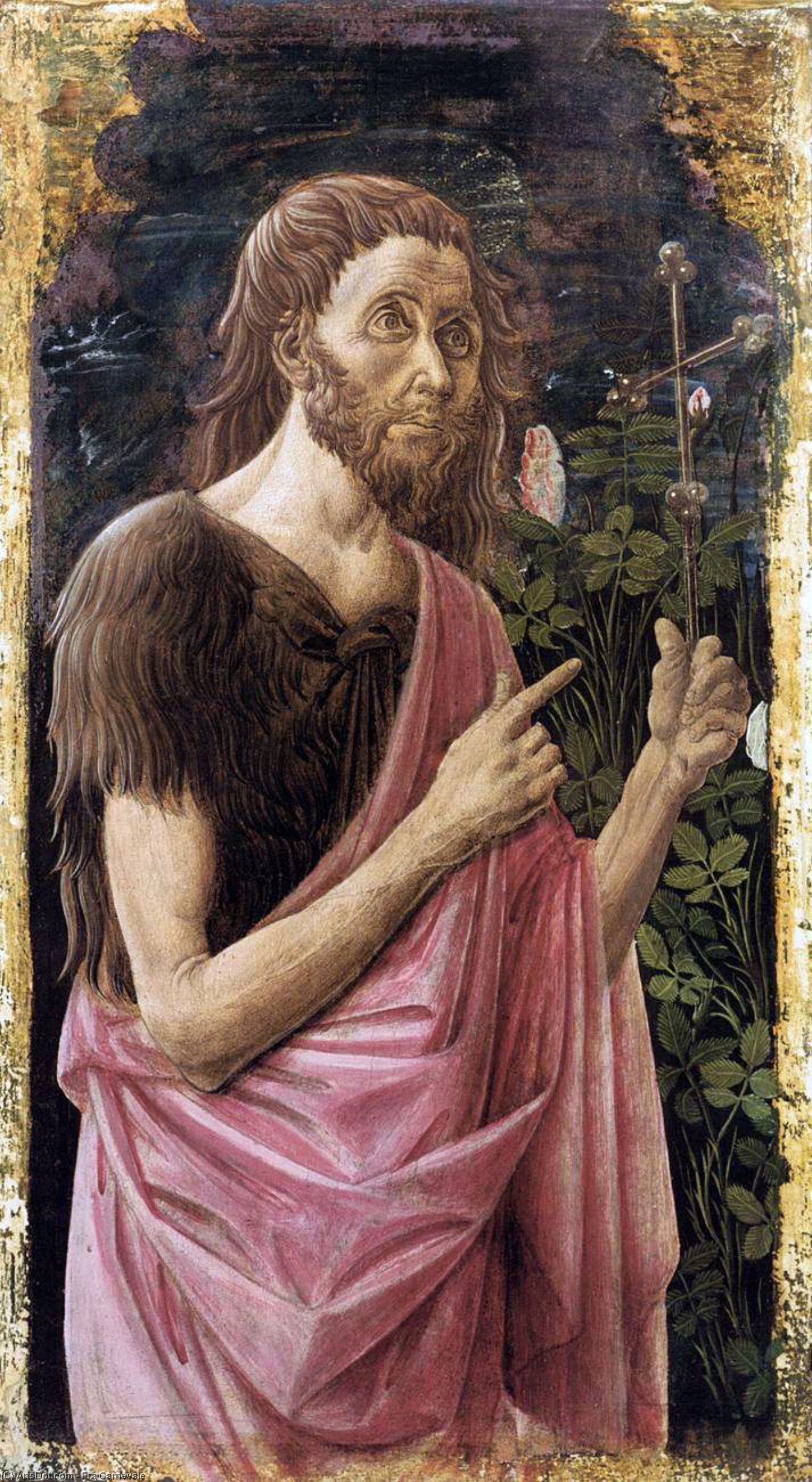
This meticulously crafted reproduction captures every nuance of Caravaggio’s original masterpiece. Printed on high-quality canvas using archival inks, this artwork offers exceptional color fidelity and detail. The size of 80 x 44 cm makes it suitable for a variety of settings, from formal studies to intimate living spaces. Each reproduction is hand-painted by skilled artisans, ensuring that you receive a unique piece of art that embodies the spirit and power of Caravaggio’s vision. Bring this iconic image into your home or office and experience the drama and emotion of one of history's greatest artistic achievements.



 미리보기
미리보기
 프린트 구매
 공유하기
공유하기 공유하기
공유하기
 상세 정보
상세 정보

 다운로드
다운로드
 유사 작품
유사 작품 X-레이
X-레이 슬라이드 쇼


 더 보기
더 보기






































 유리 옵션은 110cm 미만 크기에서만 선택 가능합니다.