
원하는 크기와 액자로 주문 제작되는, 작가들이 직접 캔버스에 손으로 그린 유화 작품입니다. ( 프린트 판매로 전환 디지털 이미지로 전환)





























작품의 원본 비율을 유지하는 미리 설정된 크기 중에서 선택하세요.

특정 프레임이나 공간에 맞도록 직접 크기를 입력할 수 있습니다. 선택하신 크기가 원본 이미지의 비율과 일치하지 않는 경우, 작품을 자르거나 추가적인 손으로 그린 요소를 사용하여 그림을 확장합니다. 제작 시작 전 승인을 위해 디지털 목업을 보내드립니다.
화면 미리 보기는 실제 자르기 또는 확장을 반영하지 않습니다. 최종 구성은 목업을 통해서만 정확하게 확인하실 수 있습니다.
맞춤 크기 제작도 가능하지만, 원본 비율을 유지하기 위해 사전 정의된 목록에서 크기를 선택하시는 것을 권장합니다.

Birth of Christ
복제본 크기
Paolo Uccello's “Birth of Christ,” originally conceived as a stained glass window for the Florence Cathedral in 1443, is not merely a depiction of a sacred event; it’s a testament to the burgeoning Renaissance fascination with perspective, geometry, and the very act of seeing. This intricate panel, now largely experienced through reproductions, offers a captivating glimpse into Uccello's unique artistic world – one where mathematical precision dances with narrative storytelling. The scene unfolds with a gentle vibrancy, dominated by rich blues that evoke both the solemnity of the night and the divine presence illuminating the stable. Thirteen figures are carefully arranged within the circular frame, each possessing a distinct character and contributing to the overall sense of reverent awe. Mary, central to the composition, is shown in the act of giving birth, surrounded not only by Joseph but also by attending figures and celestial angels, all rendered with delicate detail despite the limitations inherent in the stained glass medium.
To understand “Birth of Christ,” one must appreciate Paolo Uccello's singular obsession. He wasn’t simply interested in *representing* reality, but in understanding its underlying structure. Vasari famously recounts how Uccello would lose sleep wrestling with the principles of perspective, striving to achieve a perfect illusion of depth on a two-dimensional surface. While not employing linear perspective as rigorously as later Renaissance masters, this window demonstrates his early explorations – a subtle attempt to create spatial relationships and guide the viewer’s eye through the scene. The arrangement of figures, their positioning relative to one another, and the implied architectural elements all contribute to this effect. This wasn't merely technical exercise; for Uccello, it was a way to elevate the sacred narrative, imbuing it with a sense of order and divine harmony. He believed that mathematical principles were inherent in God’s creation, and thus, by employing them in his art, he was drawing closer to understanding the divine.
Beyond its technical innovations, “Birth of Christ” is rich with symbolic meaning. The choice of blue, a color traditionally associated with the Virgin Mary and representing heaven, dominates the palette, creating an atmosphere of spiritual transcendence. The inclusion of numerous angels underscores the celestial significance of the event, while the attentive figures surrounding Mary emphasize the communal aspect of faith. Even Uccello’s characteristic fondness for depicting animals – a detail noted by Vasari – finds expression here, subtly reminding us of the natural world witnessing this miraculous birth. The circular format itself, reminiscent of a halo or divine aura, reinforces the sacred nature of the scene. The stained glass medium further enhances these symbolic layers; as light passes through the colored glass, it transforms the image into something ethereal and otherworldly, evoking the radiant glow of faith.
Though the original window suffered damage over time, its enduring beauty continues to inspire. Today, high-quality hand-painted reproductions allow art lovers to experience Uccello’s vision firsthand. These meticulously crafted replicas capture not only the vibrant colors and intricate details of the original but also the emotional resonance that makes “Birth of Christ” such a compelling work of art. Whether adorning a sacred space or gracing a private collection, this piece serves as a powerful reminder of the Renaissance spirit – a time when faith, reason, and artistic innovation converged to create works of lasting beauty and profound meaning.


1397 - 1475 , 이탈리아
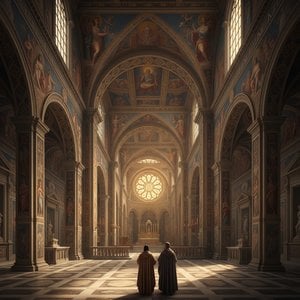
Explore the profound impact of linear perspective on Renaissance art. Discover how masters like Brunelleschi and Uccello used mathematical precision to create breathtaking depth and spatial illusion in iconic historical masterpieces.

Embark on a visual journey through the luminous world of stained glass art. Discover the exquisite craftsmanship, historical significance, and captivating beauty of masterworks from Art Nouveau to the Gothic era, curated for the discerning fine art enthusiast.


 미리보기
미리보기
 공유하기
공유하기 공유하기
공유하기
 상세 정보
상세 정보 가이드 보기

 다운로드
다운로드
 유사 작품
유사 작품 X-레이
X-레이 슬라이드 쇼
 통계 정보
통계 정보


 더 보기
더 보기









 유리 옵션은 110cm 미만 크기에서만 선택 가능합니다.


