x

 Oil On CanvasWallArtNorthern Renaissance
 1569
1569 158.0 x 214.0 cm
 국립미술관 (National Gallery)




























작품의 원본 비율을 유지하는 미리 설정된 크기 중에서 선택하세요.

특정 프레임이나 공간에 맞춰 직접 치수를 입력하실 수 있습니다. 선택하신 사이즈가 원본 이미지의 비율과 일치하지 않을 경우, 작품을 크롭(자르기)하거나 이미지를 대칭 또는 단색 채우기로 확장하여 제작합니다. 제작 시작 전, 최종 확인을 위해 디지털 목업이 전송됩니다.
화면상의 미리보기는 실제 크롭이나 확장 상태를 반영하지 않으므로, 최종 구도는 오직 목업을 통해서만 정확하게 확인하실 수 있습니다.
맞춤 사이즈 제작도 가능하지만, 원본 비율을 유지하기 위해서는 사전 정의된 목록에서 치수를 선택하시는 것을 권장합니다.

The Four Elements: Water
복제본 크기
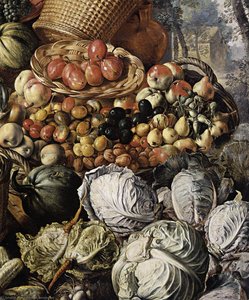
Joachim Beuckelaer’s “The Four Elements: Water,” painted in Antwerp in 1569, is more than just a depiction of a bustling kitchen scene; it's a meticulously crafted tableau vivant—a snapshot of daily life imbued with subtle symbolism and reflecting the burgeoning artistic shifts of the late Northern Renaissance. This remarkable oil on canvas transports us to a world where domesticity was not merely functional but also a stage for quiet narratives, religious contemplation, and even veiled social commentary. The painting’s immediate impact is one of vibrant activity: thirteen individuals are engaged in various tasks – preparing fish, tending to bowls and utensils, conversing around a table – creating an atmosphere of lively conviviality. Yet, beneath this surface bustle lies a carefully orchestrated composition, revealing Beuckelaer's mastery of perspective and his keen eye for detail.
Beuckelaer’s skill is immediately apparent in the rendering of the food itself. The fish, rendered with astonishing realism – from glistening herring to plump bream – are not simply ingredients but symbols of abundance and sustenance. The arrangement of the bowls, cups, knives, and spoons isn't haphazard; it follows a precise geometric order, echoing the principles of Renaissance still life painting. Notice, too, the subtle variations in color and texture—the rough bark of wooden utensils, the sheen of polished silver, the delicate folds of fabric – all contribute to the painting’s tactile quality. The background, featuring a glimpse of a busy street scene through an arched doorway, provides depth and context, anchoring the domestic activity within a broader urban landscape.
As part of a series exploring the four classical elements – Earth, Water, Air, and Fire – “The Four Elements: Water” is deeply rooted in Renaissance philosophical thought. Water, as represented here, isn’t merely liquid; it embodies concepts of fluidity, adaptability, and emotional depth. The inclusion of the biblical scene depicting Christ miraculously multiplying fish—a pivotal moment from Luke 5—elevates the painting beyond a simple depiction of daily life. This juxtaposition of the mundane and the divine speaks to the Renaissance fascination with reconciling earthly existence with spiritual truths. The twelve different varieties of fish, meticulously rendered, are often interpreted as representing the twelve apostles, subtly reinforcing this theological connection.
However, Beuckelaer’s work is richer than a straightforward allegory. The figures themselves hold symbolic weight. The older woman, her face etched with weariness, embodies the burdens of domesticity and perhaps even hints at the challenges faced by women in 16th-century society. The young man proudly displaying his catch speaks to themes of prosperity and lineage. Even the seemingly simple act of preparing food becomes a meditation on life’s rhythms and the interconnectedness of human experience.
Beuckelaer's technique is characterized by its meticulous realism and masterful use of light and shadow. He employs *sfumato*, a subtle blurring of edges, to create a sense of atmospheric depth and volume—particularly evident in the rendering of the fish and the folds of clothing. The painting’s palette is rich and varied, utilizing a wide range of colors to capture the textures and nuances of the scene. The use of chiaroscuro – the dramatic contrast between light and dark – further enhances the sense of realism and adds emotional intensity.
Painted during the waning years of the religious iconoclasm in Antwerp—a period marked by upheaval and social unrest—"The Four Elements: Water” reflects a broader shift in artistic focus. Following the destruction of religious images, artists began to explore secular subjects with greater freedom, celebrating the beauty and complexity of everyday life. Beuckelaer’s work stands as a testament to this transition, demonstrating his ability to elevate the commonplace to the level of art. His meticulous attention to detail, combined with his subtle symbolic language, makes “The Four Elements: Water” a captivating window into 16th-century Antwerp—a city brimming with artistic innovation and social change.


1533 - 1573 , 벨기에

Explore the captivating world of Renaissance painting! Discover key themes, masterful techniques & iconic artworks from Leonardo da Vinci to Raphael. Learn about Humanism's influence and the stylish departure of Mannerism.

WahooArt에서 개인의 순간을 영원히 담아내는 맞춤 오일 회화 정물화를 경험하세요. 숙련된 장인의 손길로 제작, 레스토랑 공간에 품격을 더하고 소중한 추억을 예술 작품으로 승화시킵니다. 지금 바로 문의하세요!
Explore the captivating world of Early Netherlandish painting! Discover Jan van Eyck, Hans Memling & more. Uncover symbolism, techniques & the legacy of these Flemish masters. A comprehensive guide for art enthusiasts.

Explore the rich history of still life painting & the symbolism of fruit across art movements. Discover masterpieces from Caravaggio to Cézanne with WahooArt – expert guidance & museum-quality reproductions.

Explore the rich history of genre painting – art that depicts everyday life. Discover Dutch Masters, hidden symbolism & its enduring influence on art history. Learn more at WahooArt.


최신 미술 뉴스, 특별 혜택 및 인테리어 아이디어를 가장 먼저 만나보세요.
프로젝트에 대해 알려주시면 저희 미술 전문가들이 맞춤형 아트 제안 3가지를 전달해 드립니다.
당신만을 위한 맞춤형 옵션 3가지를 무료로 추천해 드립니다!

 작품 구매하기
 공유하기
공유하기 공유하기
공유하기
 상세 정보
상세 정보

 다운로드
다운로드
 유사 작품
유사 작품 X-레이
X-레이 슬라이드 쇼
 더 보기
더 보기









 유리 옵션은 110cm 미만 크기에서만 선택 가능합니다.