
 캔버스에 아크릴 물감월아트Fauvism
 1921근대
 50.0 x 61.0 cm
원하는 크기와 액자로 주문 제작되는, 작가들이 직접 캔버스에 손으로 그린 유화 작품입니다. ( 프린트 판매로 전환 디지털 이미지로 전환)





























작품의 원본 비율을 유지하는 미리 설정된 크기 중에서 선택하세요.

특정 프레임이나 공간에 맞도록 직접 크기를 입력할 수 있습니다. 선택하신 크기가 원본 이미지의 비율과 일치하지 않는 경우, 작품을 자르거나 추가적인 손으로 그린 요소를 사용하여 그림을 확장합니다. 제작 시작 전 승인을 위해 디지털 목업을 보내드립니다.
화면 미리 보기는 실제 자르기 또는 확장을 반영하지 않습니다. 최종 구성은 목업을 통해서만 정확하게 확인하실 수 있습니다.
맞춤 크기 제작도 가능하지만, 원본 비율을 유지하기 위해 사전 정의된 목록에서 크기를 선택하시는 것을 권장합니다.

Odalisque in red trousers
복제본 크기
Henri Matisse's *Odalisque in Red Trousers*, painted in 1921, is more than just a portrait; it’s an immersion into a world of vibrant color, sensual repose, and the lingering allure of the Orient. Housed within the Musée de l'Orangerie in Paris, this captivating work stands as a pivotal example of Fauvism and a testament to Matisse’s profound fascination with North African culture and decorative arts. The painting immediately commands attention – not through realistic representation, but through an audacious celebration of hue and form, inviting the viewer into a dreamlike state of contemplation.
Matisse's journey to this moment was deeply shaped by his travels to Morocco and Algeria in 1906 and 1912. These experiences ignited within him a profound appreciation for the rich textures, bold patterns, and luminous light characteristic of Moorish architecture and design. He wasn’t simply documenting these landscapes; he was absorbing their essence, translating them into a visual language that prioritized emotional impact over strict adherence to naturalism. The *Odalisque* embodies this transformation – it's a carefully constructed fantasy built upon the foundations of Matisse’s newfound artistic vocabulary.
At the heart of the composition lies an odalisque, a term historically referring to a female attendant in a Turkish or Moorish harem. However, Matisse reimagines this archetype with remarkable freedom. The woman reclines languidly on a divan, her posture suggesting both vulnerability and quiet strength. Her attire is strikingly unconventional: a vibrant red trouser suit – a bold departure from traditional depictions of women within the harem setting – paired with a flowing, light green blouse. This deliberate juxtaposition immediately disrupts expectations, signaling Matisse’s intention to challenge conventional representations and explore new modes of expression.
The background is equally significant. It's not merely a backdrop but an integral part of the painting’s narrative. The richly patterned fabrics adorning the divan – in shades of blue, green, and gold – echo the decorative motifs found in Moorish interiors. A small table to the left holds a vase overflowing with flowers, its contours mirroring the curves of the odalisque's body, creating a harmonious visual dialogue between figure and environment. Even the bowl at the top of the painting subtly reinforces this connection, adding another layer of intricate detail.
Matisse’s technique is characterized by its deliberate simplification and abstraction. He employs a flattened perspective, reducing depth and creating a sense of immediacy. The brushstrokes are loose and expressive, applied with thick impasto – a visible build-up of paint that adds texture and dynamism to the surface. This approach is quintessential Fauvist, prioritizing color and emotional intensity over precise representation.
Color as Language: The painting’s power resides largely in its masterful use of color. Matisse utilizes a vibrant, non-naturalistic palette – intense reds, greens, blues, and yellows – to evoke mood and atmosphere. The red trousers are particularly arresting, drawing the eye immediately and injecting a sense of energy into the scene. These colors aren't blended; they’re applied in bold blocks, creating a dazzling visual effect that pulsates with life.*Odalisque in Red Trousers* is not simply a depiction of a woman reclining on a divan; it’s an exploration of sensuality, repose, and the exotic allure of the Orient. The red trousers themselves can be interpreted as a symbol of rebellion – a challenge to traditional gender roles and expectations. The overall atmosphere is one of tranquility and contemplation, inviting the viewer to lose themselves in the painting's dreamlike quality.
Matisse’s work during this period reflects a broader shift in artistic sensibilities, moving away from academic realism towards a more subjective and expressive approach. *Odalisque in Red Trousers* stands as a landmark achievement in this evolution, solidifying Matisse’s position as one of the most influential artists of the 20th century. For those seeking to experience the brilliance of his vision, reproductions like WahooArt's offer an exceptional opportunity to bring this captivating masterpiece into your home.
*Fleurs et céramique* and *The Blue Nude (Souvenir of Biskra)* are further examples of Matisse’s artistic genius, offering a deeper understanding of his unique style and enduring legacy.


1869 - 1954 , 프랑스

Explore the vibrant world of Fauvism with our expert guide. Discover how Matisse and Derain revolutionized art through bold colors and expressive strokes. Perfect for classic art enthusiasts seeking to deepen their passion for modern masterpieces.
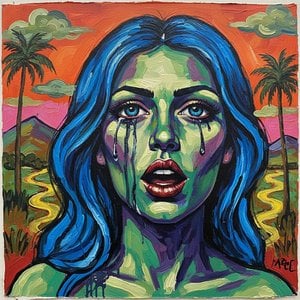
Embark on a journey through the vibrant world of Fauvism. Discover how masters like Henri Matisse revolutionized art through bold colors and raw emotion in this expert-led guide to one of modern art's most powerful movements.

Explore the vibrant revolution of Fauvism. Discover how masters like Matisse liberated color to redefine modern art. Dive into an expert-led journey through the 'Wild Beasts' movement and learn how to bring this bold, expressive energy into your personal collection.


 미리보기
미리보기
 공유하기
공유하기 공유하기
공유하기
 상세 정보
상세 정보

 다운로드
다운로드
 유사 작품
유사 작품 X-레이
X-레이 슬라이드 쇼
 통계 정보
통계 정보 더 보기
더 보기









 유리 옵션은 110cm 미만 크기에서만 선택 가능합니다.


