
x































작품의 원본 비율을 유지하는 미리 설정된 크기 중에서 선택하세요.

특정 프레임이나 공간에 맞도록 직접 크기를 입력할 수 있습니다. 선택하신 크기가 원본 이미지의 비율과 일치하지 않는 경우, 작품을 자르거나 추가적인 손으로 그린 요소를 사용하여 그림을 확장합니다. 제작 시작 전 승인을 위해 디지털 목업을 보내드립니다.
화면 미리 보기는 실제 자르기 또는 확장을 반영하지 않습니다. 최종 구성은 목업을 통해서만 정확하게 확인하실 수 있습니다.
맞춤 크기 제작도 가능하지만, 원본 비율을 유지하기 위해 사전 정의된 목록에서 크기를 선택하시는 것을 권장합니다.

Portrait of Fritza Riedler
복제본 크기
In the heart of Vienna’s Belle Époque, amidst the swirling decadence of the Secessionist movement, Gustav Klimt captured a moment of profound stillness with his 1906 masterpiece, Portrait of Fritza Riedler. This work is far more than a mere likeness of a socialite; it is an immersive descent into the artist's celebrated Golden Phase, where the boundaries between reality and ornament dissolve. As one gazes upon the canvas, the figure of Fritza emerges from a sea of opulent textures, her presence anchored by a pyramidal composition that directs the eye toward her serene, contemplative face. There is an undeniable magnetism in her posture—a delicate balance of vulnerability and quiet strength expressed through the gentle clasping of her hands, inviting the viewer into a private world of psychological depth and silent elegance.
The painting serves as a breathtaking testament to the Art Nouveau aesthetic, heavily infused with the delicate whispers of Japonisme. Klimt’s mastery is most evident in the way he weaves stylized floral motifs and intricate patterns into the very fabric of the subject's gown. These organic elements do not merely decorate; they breathe life into the portrait, creating a rhythmic visual language that celebrates the beauty of nature intertwined with human form. For the discerning collector or interior designer, this piece offers an unparalleled sense of luxury, acting as a focal point that commands attention through its sophisticated interplay of light, pattern, and historical prestige.
To understand the emotional resonance of this portrait, one must look toward Klimt’s revolutionary use of technique. The artist employed a meticulous layering of gold leaf, a method inherited from his father’s profession as a gold engraver. This application of precious metal transforms the canvas into a shimmering, celestial object, where the light seems to emanic from within the painting itself. This "alchemy" was not purely for show; in the Symbolist tradition, the golden glow represents the divine spark and the eternal essence of life. When light hits a high-quality reproduction of this work, the metallic accents catch the eye, creating a dynamic experience that changes with the movement of the room.
Beyond the brilliance of the gold, Klimt’s technical prowess is revealed in the striking textural contrasts achieved through the use of oil and tempera. He juxtaposes the smooth, lifelike rendering of skin against the heavy, tactile richness of the patterned clothing and the deep, saturated tones of the background. This tension between the realistic and the abstract creates a dreamlike atmosphere, making the portrait feel both intimately human and mythically transcendent. It is this very duality—the ability to be both grounded in portraiture and elevated by abstraction—that makes Portrait of Fritza Riedler an enduring icon of art history, perfect for those seeking to infuse their spaces with a sense of timelessness and profound artistic soul.


1862 - 1918 , 오스트리아

Discover the exquisite world of Art Nouveau. Explore the elegant fusion of nature and design through architectural masterpieces, organic forms, and the legendary masters of the Belle Époque. Immerse yourself in a journey of timeless sophistication and ornamental beauty.

Discover the enchanting world of Art Nouveau. Explore the flowing lines of Alphonse Mucha and learn how to integrate these timeless, organic masterpieces into your collection with expert guidance on fine art appreciation and preservation.

Embark on a sophisticated journey through the splendor of Austrian art. From Gustav Klimt’s golden masterpieces to the elegance of the Viennese Secession, discover the history and symbolism behind Europe's most iconic works for the discerning collector.

Explore the profound impact of the Vienna Secession movement. Discover how visionaries like Gustav Klimt revolutionized modern art through symbolism, gold leaf, and bold ornamentation in this deep dive into the aesthetic revolution that redefined the visual landscape of Europe.
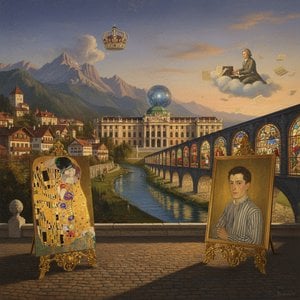
Embark on a sophisticated journey through Austrian art history. Explore the golden brilliance of Gustav Klimt and the elegance of the Vienna Secession through an expert lens, celebrating the enduring soul of Central European masterpieces.


최신 미술 뉴스, 특별 혜택 및 인테리어 아이디어를 가장 먼저 만나보세요.
프로젝트에 대해 알려주시면 저희 미술 전문가들이 맞춤형 아트 제안 3가지를 전달해 드립니다.
당신만을 위한 맞춤형 옵션 3가지를 무료로 추천해 드립니다!


 미리보기
미리보기
 프린트 구매
 공유하기
공유하기 공유하기
공유하기
 상세 정보
상세 정보

 다운로드
다운로드
 유사 작품
유사 작품 X-레이
X-레이 슬라이드 쇼

 더 보기
더 보기









 유리 옵션은 110cm 미만 크기에서만 선택 가능합니다.


