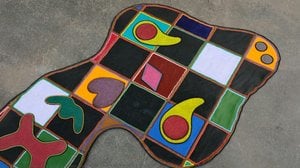
Jim Roche: A Southern Voice in Outsider Art
Jim Roche, born in the United States in 1943, is a compelling figure within the realm of outsider art—an artist whose deeply personal vision and unique approach have resonated powerfully since the 1960s. His work isn’t merely decorative; it's a raw, unflinching chronicle of Southern culture, steeped in folklore, social commentary, and a potent sense of place. Roche’s journey as an artist is intertwined with his upbringing in Florida, a landscape that profoundly shaped his artistic sensibilities and continues to inform the themes he explores. Initially receiving a Bachelor of Arts from Florida State University (1961) and subsequently earning Master's and MFA degrees from the University of Dallas (1968 & 1970), Roche’s formal education provided a foundation, yet it was his independent spirit and engagement with the region’s vernacular traditions that truly defined his artistic trajectory.Early Influences and Artistic Development
Roche's artistic development wasn't confined to traditional academic settings. His early years were marked by a deep immersion in the cultural fabric of Florida, particularly its rural communities. This exposure to folk art—the hand-painted signs advertising local businesses, the weathered farm equipment, the vernacular language—became the bedrock of his creative vocabulary. He began experimenting with sculpture and graphic design, quickly establishing a distinctive style characterized by bold imagery, often incorporating elements of Southern mythology, religious iconography, and a distinctly gritty aesthetic. His early work, particularly during the 1970s, was notably provocative, challenging conventional notions of beauty and engaging directly with issues of social justice and inequality. The influence of artists associated with the “outsider art” movement is evident in his use of unconventional materials and techniques, as well as his willingness to push boundaries and defy artistic norms. His time at Florida State University, where he served as a professor from 1973 until his retirement, provided him with a platform for experimentation and critical engagement with his own work.Themes and Techniques: A Reflection of Southern Identity
Roche’s art is fundamentally rooted in the experience of being a native son of the American South. He doesn't shy away from confronting difficult subjects—poverty, racism, social injustice—but he does so with a remarkable sensitivity and an unwavering commitment to representing the voices of the marginalized. His sculptures often incorporate found objects – discarded farm equipment, weathered signage, religious relics – transforming these everyday items into potent symbols of Southern history and identity. His graphic works are equally striking, employing bold colors, geometric patterns, and evocative imagery to convey complex narratives. A key element of his work is a deliberate embrace of the vernacular—the language, customs, and beliefs of rural communities. He frequently utilizes hand-painted signs, mimicking the style of roadside advertisements, but imbuing them with subversive messages and satirical commentary. Roche’s use of materials – often incorporating elements of decay and wear – speaks to the passage of time and the enduring legacy of Southern culture.Notable Works and Recognition
Throughout his career, Roche has garnered significant recognition for his unique artistic vision. He was awarded the National Endowment for the Arts in 1975 and 1982, and received a Florida Arts Council Fellowship in 1980 – accolades that acknowledged the profound impact of his work. His participation in prestigious international events like the Venice Biennial (1976) and the Paris Biennale (1977) brought him to an international audience, solidifying his position as a leading figure in contemporary art. Among his most celebrated works are “Two Hundred Years of Keeping Animals Down” (1976), a vibrant abstract painting that captures the energy and complexity of Southern culture; "Potted Mama," monumental sculptural works exploring themes of fertility and sexuality; and “Don’t Tread on Me No More Y’all: Piece,” a provocative sculpture referencing the Gadsden flag. His 1982 performance piece, “Learning to Count,” further demonstrated his commitment to engaging with social issues through unconventional means.Legacy and Continuing Relevance
Jim Roche's art continues to resonate today because it speaks to fundamental questions about identity, history, and the human condition. His work is often described as both “standing for the far right” and “confronting hypocrisy and social injustice,” reflecting a complex and nuanced engagement with contemporary issues. He has been praised for his ability to capture the spirit of a region—its beauty, its contradictions, and its enduring traditions—while simultaneously challenging viewers to confront uncomfortable truths. Roche’s legacy extends beyond his individual artworks; he represents a vital tradition of outsider art that celebrates the voices of those often marginalized by mainstream culture. His work serves as a powerful reminder of the importance of preserving cultural heritage and engaging with the complexities of Southern identity in an ever-changing world.კითხვები და პასუხები
შესაძლებელია თუ არა Jim Roche-ის ნამუშევრების ძებნა საკვანძო სიტყვების მიხედვით?
Jim Roche-ის კონკრეტული თემატიკის ნამუშევრების მოსაძებნად გამოიყენეთ ხელოვანის საკვანძო სიტყვების მიხედვით გვერდი, სადაც ნამუშევრები საკვანძო სიტყვების მიხედვით არის დაჯგუფებული.
შემიძლება Jim Roche-ის ნამუშევრების ნახვა მიმდინარეობის მიხედვით?
ყველა მიმდინარეობა გვერდზე Jim Roche-ის ნამუშევრები ხელოვნების მიმდევრობების მიხედვით არის დაჯგუფებული.
შესაძლებელია თუ არა Jim Roche-ის ნამუშევრების თემატური მიხედვით დათვალიერება?
თემატური კატალოგი გვერდი ათავსებს Jim Roche-ის ნამუშევრებს თემატური კატეგორიების მიხედვით.