


Augustus Earle: A Wanderer's Brush Across a Changing World
Augustus Earle, born in London in 1793, was more than just an artist; he was a chronicler of a world undergoing profound transformation. Unlike many artists of his time tethered to aristocratic patronage or employed on formal voyages of exploration, Earle carved out a unique path – a life fueled by wanderlust and sustained by the very art he created. His legacy rests not only in the beauty of his watercolors and sketches but also in their invaluable documentation of early 19th-century encounters between European cultures and those they encountered across the globe. The name itself, with its added ‘e,’ hints at a desire for distinction, perhaps reflecting Earle’s independent spirit and ambition to forge his own artistic identity. His family background—an American father, James Earle, himself an artist, and a mother from a lineage intertwined with colonial history—likely fostered a sense of connection to both continents, contributing to his insatiable curiosity about the wider world. Early training at the Royal Academy demonstrated a classical foundation, but it was quickly superseded by a more personal artistic vision – one driven by observation and experience rather than academic convention.From Mediterranean Shores to South American Horizons
Earle’s journey began in earnest with a voyage through the Mediterranean in 1815, facilitated by his half-brother's position within the Royal Navy. This initial foray into foreign lands ignited a passion for travel that would define his career. The sketches and watercolors produced during this period reveal a developing skill in capturing architectural details and atmospheric landscapes, laying the groundwork for his later, more ambitious projects. His subsequent journey to the United States in 1818 marked another significant step, exposing him to a burgeoning nation grappling with its own identity. However, it was South America that truly captivated Earle’s imagination. Years spent in Brazil, Chile, and Peru provided ample opportunity to document the vibrant culture, complex social dynamics, and stark realities of slavery—a subject he addressed with unflinching honesty in works like "Punishing negroes at Cathabouco." These weren't merely picturesque scenes; they were observations of a society on the cusp of change, shaped by colonial power and the transatlantic slave trade. The sheer volume of work produced during this period – landscapes, portraits, ethnographic studies – speaks to Earle’s remarkable productivity and his dedication to recording every facet of life he encountered.The Isolation of Tristan da Cunha and the Discovery of New Zealand
Perhaps the most extraordinary episode in Earle's travels was his unexpected sojourn on the remote island of Tristan da Cunha. Abandoned by his ship in 1824, he spent nearly a year as tutor and schoolmaster to the small community, transforming adversity into artistic opportunity. The watercolors from this period possess a unique intimacy, capturing the daily rhythms of life on the isolated isle with remarkable sensitivity. But it was New Zealand that would cement Earle’s place in art history. Arriving in 1827, he became the first European artist to dedicate significant time to studying Māori culture and society. His depictions of Māori customs—ceremonies, warfare, daily life—are invaluable historical documents, offering a glimpse into a world rapidly being altered by European contact. Earle’s admiration for the Māori people is evident in his writings and artwork; he celebrated their physical prowess, artistic skill, and complex social structures, even criticizing missionaries for attempting to suppress traditional practices. He saw in them a nobility of spirit that transcended cultural differences—a perspective rare among European observers of the time.Legacy: A Pioneer of Travel Art and Historical Documentation
Augustus Earle died relatively young, in 1838, but his artistic legacy endures. His work stands as a testament to the power of observation and the importance of documenting cultures on the brink of change. While he wasn't without his biases—as any artist reflecting their own time would be—his commitment to portraying what he saw with honesty and detail is undeniable. Earle’s influence extends beyond the realm of art history; his sketches and watercolors provide invaluable insights for historians, anthropologists, and anyone interested in understanding the complexities of 19th-century global interactions. He pioneered a new form of travel art – one that combined artistic skill with ethnographic observation—and his work continues to inspire artists and scholars alike. His ability to earn a living through his art while traversing continents was unprecedented, establishing him as a truly independent artist whose legacy is etched in the vibrant colors of his watercolors and the detailed lines of his sketches—a visual record of a world irrevocably transformed.კითხვები და პასუხები
არსებობს თუ არა Augustus Earle-ის ქრონოლოგიური მიმოხილვა?
Augustus Earle-ის კარიერა პერიოდების მიხედვით იშლება ხელოვანის ქრონიკა გვერდზე: ნამუშევრების ჰორიზონტალური ქრონოლოგიური ხაზი, რომელიც დაყოფილია კარიერის სხვადასხვა ეპოქად.
შემიძლება Augustus Earle-ის ნამუშევრების განწყობის მიხედვით დათვალიერება?
Augustus Earle-ის ნამუშევრების დათვალიერება შესაძლებელია მათი განწყობის მიხედვით, ხელოვანის განწყობის ოთახი გვერდზე, რომელიც произведенияებს მათ შესაბამის განწყობაზე დაყრდნობით აჯგუფებს.
სად შემიძლია Augustus Earle-ის ნამუშევრების ნახვა 3D გალერეაში?
Augustus Earle-ის 3D მუზეუმი არის გვერდი, რომელიც ხელოვანის ნამუშევრებს ვირტუალურ სამგანზომილებიან გალერეაში წარმოაჩენს.
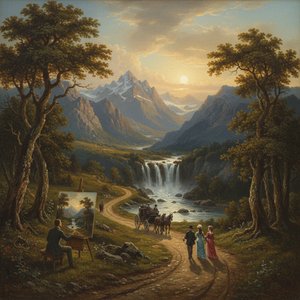


![Port Jackson, New South Wales [picture] / [augustus Earle]](/media/artworks/images-thumb/fb/08/fb08b9cec7c051c607c62da47c6f4247.jpg)

