


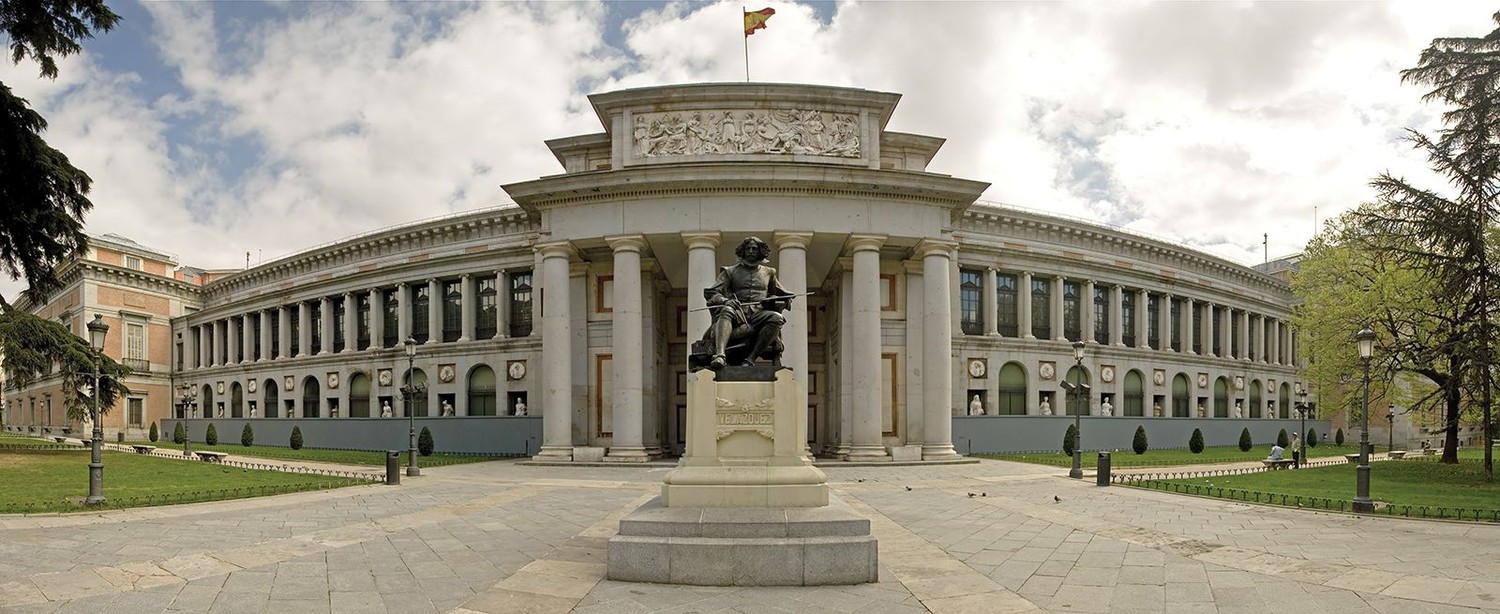
A Royal Sanctuary: Exploring the Legacy of El Pardo Palace
Nestled amidst the verdant slopes of Mount El Pardo, just a short journey from the vibrant heart of Madrid, lies a palace steeped in centuries of Spanish history and royal intrigue – the Royal Palace of El Pardo. More than simply a beautiful building, it’s a living testament to evolving architectural styles, artistic patronage, and the shifting roles of the Spanish monarchy. Originally conceived as a modest hunting lodge by King Henry III in 1406, El Pardo gradually transformed into the opulent residence it is today, reflecting the tastes and ambitions of successive monarchs – from Charles V’s ambitious expansion to Philip II's introduction of Flemish grandeur, and beyond.
The palace’s story is inextricably linked to pivotal moments in Spanish history. It witnessed the delicate negotiations that led to the Convention of Pardo in 1739, a crucial step towards preventing war between Spain and Great Britain. Later, it served as the private sanctuary of Francisco Franco during his dictatorial rule, absorbing the weight of a nation’s turmoil. Today, El Pardo stands as a carefully preserved state guest house, welcoming dignitaries from around the globe while simultaneously offering the public a rare glimpse into its rich past.
A Tapestry of Artistic Treasures
The true heart of El Pardo's appeal lies within its remarkable collection. The palace boasts an exceptional assemblage of tapestries, arguably its most celebrated feature. These aren’t merely decorative hangings; they are intricate narratives woven with threads of gold and wool, each piece a miniature masterpiece reflecting the artistic sensibilities of its time. Notably, a significant portion was designed by Francisco Goya, the renowned Romantic painter, who skillfully translated his distinctive style into textile form – imagine vibrant scenes of courtly life, mythological tales, and even glimpses of social commentary, all rendered in breathtaking detail.
Beyond the tapestries, the palace’s walls are adorned with stunning frescoes and paintings by masters such as Gaspar Becerra, Vincenzo Carducci, and Cabrera. These works offer a captivating visual journey through Spanish art history, showcasing a range of styles from the late Gothic to the Baroque. The State Rooms themselves are lavishly decorated, reflecting the wealth and power of the Spanish monarchy – intricate plasterwork, rich fabrics, and ornate furniture combine to create an atmosphere of regal splendor.
Architectural Evolution: A Fusion of Styles
El Pardo’s architecture is a fascinating reflection of its evolving history. Initially conceived as a simple hunting lodge, it underwent significant transformations under Charles V, who commissioned architect Luis de Vega to expand the structure into a more formal alcázar – a fortified palace typical of the era. This initial design established the basic layout and character of the building. However, Philip II added a distinctive feature: slate roofs inspired by Flemish architecture, which dramatically altered the palace’s appearance and contributed to its enduring visual appeal.
Subsequent monarchs continued to shape El Pardo's identity through renovations and expansions. Charles III oversaw a significant refurbishment in the 18th century, while Philip V and Charles III added courtyards and refined interior spaces. The palace’s design is therefore a harmonious blend of influences – Gothic foundations, Renaissance embellishments, and Baroque flourishes—a testament to Spain's complex artistic heritage.
A Living Landmark: History and Modern Use
El Pardo Palace isn’t merely a museum; it’s an active part of the Spanish diplomatic landscape. Today, it serves as a vital state guest house, hosting visiting heads of state from around the world. This ongoing role ensures that the palace remains a vibrant center of international relations while simultaneously preserving its historical significance. The juxtaposition of its royal past and its modern function creates a unique atmosphere—a place where history is not just remembered but actively lived.
Visiting El Pardo offers a profound opportunity to step back in time, immersing oneself in the grandeur of Spanish royalty and appreciating the artistic legacy that has shaped this remarkable palace. It’s a journey through centuries of history, art, and diplomacy—a truly unforgettable experience for any visitor.


