

Frederick Morganを有名にした作品はBob Appleです。 コレクターや美術館の来場者の心には、Charity、そしてYuletideが続いています。 当カタログに含まれるFrederick Morganの全83作品のうち、特に高く評価されている83作品をご紹介します。各作品には制作年、所蔵美術館、そしてその作品ならではの特徴が添えられています。
各作品の検索数、閲覧数、および注文数を組み合わせた当サイトの人気スコアに基づきランキングを作成しています。最終更新:10月 2026 このページに掲載されているすべての名作は、ご希望のサイズで、美術館品質の手描き油彩複製画、またはファインアートプリントとしてご注文いただけます。


これらの傑作の中で最も頻繁に描かれる4つの主題と、それぞれの最高傑作をご紹介します。
このページに掲載されている絵画を最も多く所蔵している 2 の美術館
| 美術館 | 都市 | Frederick Morganの作品 | このリストの絵画 |
|---|---|---|---|
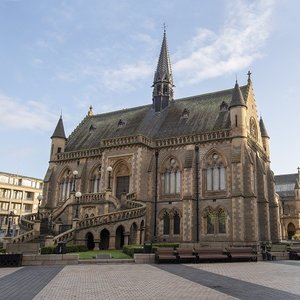 Mcmanus: Dundee's Art Galleries And Museums |
Dundee | 1 | A Modern Eve |
 Sheffield City Art Galleries |
シェフィールド | 1 | Gleaners |


Bob Apple。続いてCharity、そしてYuletideが続きます。
Bob Apple, Charity, Yuletide, a flood, Under a changeful sky, A Modern Eve, Not of the fold, Playmates, Gleaners と Garden of Eden。上記のランキングには、それぞれの制作年と所蔵美術館が記載されています。
当カタログには、1878年から1905年にかけて制作されたFrederick Morganによる83点の作品が掲載されています。
その多くはMcmanus: Dundee's Art Galleries And Museums (Dundee) と Sheffield City Art Galleries (シェフィールド)に所蔵されています。上記の表に各美術館を一覧で記載しています。
1880sにおける作品は、このページにある全83点のうち4点にのぼり、その中にはA Modern Eveが含まれます。
このページで最も古い作品はUnder a changeful sky (1878)、最新の作品はDainty Fares (1905)です。
このページに掲載されている83作品のうち、Victorian era (10), Pastoral scene (7) と Rural life (5)
このページに掲載されている絵画が示す通り、Contemporary realism と Romanticism
はい。このページに掲載されているすべての絵画は、各作品の個別ページから、ご希望のサイズで、美術館品質の手描き油彩複製画、またはファインアートプリントとしてご注文いただけます。
Frederick Morgan (1847 – 3 April 1927) wasn't merely a painter; he was a weaver of idyllic scenes, a chronicler of childhood innocence captured with an almost heartbreaking tenderness. Born in London amidst the bustle of Victorian England, his artistic journey began not through formal training but through the tutelage of his father, John Morgan – a genre artist himself – who instilled within him a profound appreciation for observing and depicting everyday life. This formative influence shaped Morgan’s distinctive style: a delicate balance between realism and romanticism, where the mundane transformed into moments of quiet beauty.
Morgan's early years were marked by a shift from his father’s guidance to a period of self-discovery. Following a brief stint in various London trades after his father’s advice, he returned to art, honing his skills through portrait commissions that unexpectedly provided invaluable experience. These portraits demanded meticulous attention to detail and an understanding of human expression – skills that would later inform his genre paintings. It was during this time that Morgan developed a keen eye for capturing the nuances of emotion and the subtle gestures that defined character, elements he skillfully translated into his celebrated depictions of children.
A pivotal period in Morgan’s career unfolded in the village of Shere, nestled near Guildford in Surrey. This picturesque location became a sanctuary—a place where he could dedicate himself entirely to painting scenes of rural life and, most notably, children at play. The light in Shere was particularly conducive to his artistic vision; it bathed the landscapes in a soft, golden glow that perfectly complemented his palette of muted colors and delicate brushstrokes. He established a studio there, creating a space where he could immerse himself in the rhythms of rural life, observing families, children, and animals with an almost reverent gaze.
During this period, Morgan’s output flourished, producing some of his most beloved works – *The Doll’s Tea Party*, *Emigrants' Departure*, and *School Belles* among them. These paintings weren’t simply representations of scenes; they were imbued with a palpable sense of warmth, nostalgia, and quiet joy. He captured the fleeting moments of childhood—a shared game, a stolen glance, a simple pleasure—with an extraordinary sensitivity that resonated deeply with audiences. The patronage of Thomas Agnew & Sons further solidified his success, ensuring that his paintings reached a wide audience through widespread reproduction.
Morgan’s artistic style was profoundly influenced by the prevailing trends of Victorian England, particularly the popularity of genre painting. However, he possessed a unique sensibility that set him apart from his contemporaries. He drew inspiration from artists like Arthur John Elsley, whose own depictions of children shared a similar emphasis on sentimentality and idyllic beauty. Yet, Morgan’s work retained its own distinct character—a subtle melancholy beneath the surface of happiness, a quiet awareness of the transience of childhood.
His technique was characterized by meticulous detail, soft brushstrokes, and a masterful use of light and shadow. He employed a limited palette of muted colors – browns, greens, blues, and yellows—to create a sense of atmosphere and to evoke the feeling of a bygone era. Notably, Morgan often sought assistance from artists like Arthur John Elsley or Allen Sealey when depicting challenging subjects such as animals or pets, recognizing the importance of accurate representation in capturing the essence of his scenes.
Frederick Morgan’s paintings achieved remarkable popularity during his lifetime, enjoying widespread publication and exhibition. His works are now housed in prestigious collections around the world, including the Walker Art Gallery in Liverpool and the Russell-Cotes Museum in Bournemouth. His legacy as one of the most celebrated genre painters of the Victorian era endures, not only for his technical skill but also for his ability to capture the enduring beauty and innocence of childhood—a timeless theme that continues to resonate with viewers today.
Morgan’s impact extends beyond his artistic achievements. He represents a significant chapter in the history of British art, demonstrating how artists can find inspiration in everyday life and transform it into works of lasting value. His paintings serve as a poignant reminder of a simpler time—a time when childhood was viewed with such reverence and wonder.