

Portrait of Alexandrine Strübe (1859-1920) as a Child (1862)はRudolf Eppの最も有名な作品であり、フライブルクのAugustiner Museumに所蔵されています。 painting (1875)とInterieur with girl sleeping (1879)は、世界で最もよく知られている次の2つの作品です。 当カタログに含まれるRudolf Eppの37作品の中から、コレクターや美術館の来館者が最も注目する36作品を厳選しました。各作品の制作年、所蔵美術館、そしてその背景にある物語をご紹介します。
各作品の検索数、閲覧数、および注文数を組み合わせた当サイトの人気スコアに基づきランキングを作成しています。最終更新:11月 2026 このページに掲載されているすべての名作は、ご希望のサイズで、美術館品質の手描き油彩複製画、またはファインアートプリントとしてご注文いただけます。


このページに掲載されている絵画を最も多く所蔵している 3 の美術館
| 美術館 | 都市 | Rudolf Eppの作品 | このリストの絵画 |
|---|---|---|---|
 Augustiner Museum |
フライブルク | 1 | Portrait of Alexandrine Strübe (1859-1920) as a Child |
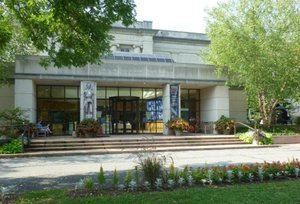 Reading Public Museum |
レディング | 1 | painting |
 バイエルン州立絵画コレクション |
ミュンヘン | 1 | Still Life with Apple |


Portrait of Alexandrine Strübe (1859-1920) as a Child (1862)(Augustiner Museum, フライブルク)。続いてpainting (1875)、そしてInterieur with girl sleeping (1879)が続きます。
28歳:Portrait of Alexandrine Strübe (1859-1920) as a Childは1862年の作品で、Rudolf Eppは1834生まれです。
Portrait of Alexandrine Strübe (1859-1920) as a Child, painting, Interieur with girl sleeping, Bathing Mother with Child in Forest Pond / Bathing at Forest Pond, In the Tavern, Peasant -Interior. 6 figures: the bride - crown, The Little Sharpener, The Hall of Fame in Munich, Bavaria, Boy with a Crawfish と Badende Frau mit Kind。上記のランキングには、それぞれの制作年と所蔵美術館が記載されています。
当カタログには、1862年から1901年にかけて制作されたRudolf Eppによる37点の作品が掲載されています。
その多くはAugustiner Museum (フライブルク), Reading Public Museum (レディング) と バイエルン州立絵画コレクション (ミュンヘン)に所蔵されています。上記の表に各美術館を一覧で記載しています。
1870sにおける作品は、このページにある全36点のうち3点にのぼり、その中にはpaintingが含まれます。
このページで最も古い作品はPortrait of Alexandrine Strübe (1859-1920) as a Child (1862)、最新の作品はThe Hall of Fame in Munich, Bavaria (1901)です。
はい。このページに掲載されているすべての絵画は、各作品の個別ページから、ご希望のサイズで、美術館品質の手描き油彩複製画、またはファインアートプリントとしてご注文いただけます。
Born in Eberbach, Grand Duchy of Baden, Rudolf Epp was the son of a decorative painter. His early artistic training began under the landscape painter Karl Ludwig Seeger, followed by studies at the Grand Ducal Art School in Karlsruhe under Johann Wilhelm Schirmer and Ludwig Des Coudres, and later at the Art Academy in Düsseldorf. Due to his talent, he was granted leave from military service by the Regent Friedrich I of Baden. This allowed him to undertake a study trip to the Black Forest, where around 1859, he produced numerous landscape studies in the regions of Freiburg im Breisgau and Landstuhl.
In 1863, Epp moved to Munich, which served as a major center for art. During his time there, he established a reputation as a sought-after painter. He was married to Katharina Steibl in 1862, and they had three children: a son, Franz Ritter von Epp, and two daughters, Helene and Augusta Anna. Augusta Anna frequently served as a model for his various portraits and figurative works. Epp remained an active painter until his death in Munich.
Rudolf Epp is associated with the Munich School and is recognized as a painter of Realism. His body of work consists of hundreds of paintings, many of which were repeated in various motifs. His oeuvre is characterized by:
His paintings gained international appreciation, with many works sold to the USA during his lifetime. His motifs were also featured in early illustrated publications and color lithographs. His work is held in various public collections, including the Neue Pinakothek in Munich and the Kunsthalle Mannheim.