A Life Woven in Silk: The Journey of Hanae Mori
Born in 1926 in the tranquil landscapes of Mikawaichi, Japan, Hanae Mori’s life unfolded as a remarkable tapestry woven with threads of tradition and innovation. Her path to becoming one of the world's most celebrated fashion designers wasn’t predetermined; it was forged through dedication, an innate artistic sensibility, and a willingness to bridge cultural divides. Growing up in a time of significant societal change, Mori developed a keen eye for aesthetics, nurtured by her upbringing and later honed through formal training in dressmaking at Tokyo Women's Christian University. The post-war era presented both challenges and opportunities, and Mori seized the latter, establishing her atelier, Hiyoshiya, in 1951. Initially focused on creating costumes for the burgeoning Japanese film industry, she quickly distinguished herself with a meticulous attention to detail and an understanding of garment construction that would become hallmarks of her style. These early experiences provided a crucial foundation, allowing her to translate cinematic drama into wearable art.
East Meets West: A Revolutionary Aesthetic
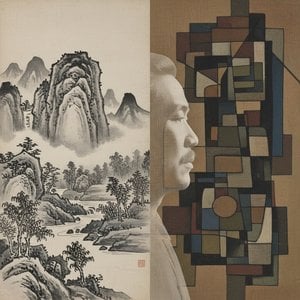
The year 1965 marked a pivotal moment in Mori’s career and the landscape of international fashion. Her debut collection in New York City, boldly titled “East Meets West,” was more than just a presentation of clothes; it was a statement. It represented a harmonious fusion of Japanese artistry and Western tailoring techniques—a concept that resonated deeply with a world increasingly fascinated by cross-cultural exchange. Mori didn’t simply transplant Eastern motifs onto Western silhouettes; she reimagined them, creating garments that were both distinctly Japanese in spirit and universally appealing in their elegance. This innovative approach quickly garnered international acclaim, establishing her as a visionary designer capable of transcending geographical boundaries. She masterfully incorporated elements from traditional Japanese art—the graceful lines of kimonos, the intricate artistry of obi fabrics, and other cultural motifs—into her creations, transforming them into sophisticated expressions of modern couture. The use of luxurious fabrics and meticulous detailing further elevated her designs, reflecting a commitment to quality craftsmanship that set her apart.
Breaking Barriers and Achieving Global Recognition
Hanae Mori’s ascent in the world of haute couture was not merely about artistic talent; it was also about breaking down barriers. In 1977, she achieved an unprecedented milestone by becoming one of only two Japanese women—and the first Asian woman—to be officially admitted as a member of the prestigious *Fédération Française de la Couture*, solidifying her place among the elite designers in Paris. This recognition was a testament to her exceptional skill and unwavering dedication to her craft, but it also symbolized a significant shift in the global fashion industry, acknowledging the growing influence of Asian design. Her success extended beyond critical acclaim; by the 1990s, her fashion house had grown into a substantial international business valued at $500 million. This commercial triumph was further underscored by accolades from both Japan and France—the Purple Ribbon Medal of Honor from the Japanese government and the French Legion of Honor from President François Mitterrand—recognizing her profound contributions to both countries’ cultural landscapes.
A Lasting Legacy: Beyond the Runway
Hanae Mori's influence extended far beyond the realm of haute couture. Her designs graced royalty and celebrities alike, adorning figures who embodied style and sophistication. Perhaps one of her most enduring collaborations was with Japan Airlines (JAL), where she designed iconic uniforms that became synonymous with Japanese elegance and professionalism for decades. These uniforms weren’t simply functional attire; they were carefully crafted statements of national identity, reflecting Mori's ability to seamlessly blend tradition and modernity. Her passing in August 2022 marked the end of an era, but her legacy continues to inspire contemporary designers and shape the future of fashion. She demonstrated that true innovation lies not in imitation, but in a respectful and imaginative dialogue between cultures—a lesson that remains profoundly relevant today. Mori’s pioneering spirit paved the way for countless other Asian designers, proving that creativity knows no borders and that beauty can be found in the harmonious fusion of diverse traditions. Her work stands as a timeless testament to the power of design to transcend cultural boundaries and celebrate the universal language of elegance.