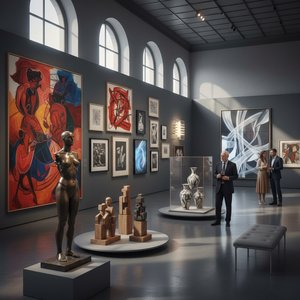
Tony D. Pájaro (born December 1948) stands as a pivotal figure in Philippine art, particularly renowned for his profound engagement with the traditions and aesthetics of Ifugao culture. Born in Manila, he embarked on an artistic journey marked by rigorous academic pursuits at the University of the Philippines and complemented by specialized studies at Bilbao and Basque Country Universities, fostering a deep understanding of both Western artistic principles and indigenous Filipino heritage. His formative years instilled within him a fascination for exploring the intersection between art and anthropology—a passion that would propel him to undertake extensive research into the visual arts of Luzon’s Cordillera Administrative Region.
Early Influences: Pájaro's artistic sensibilities were nurtured by exposure to European avant-garde movements, notably Surrealism and Cubism, shaping his stylistic preferences toward experimentation and symbolic representation.
The Ifugao Connection: Recognizing the importance of preserving cultural traditions, he dedicated himself to documenting and celebrating Ifugao art forms—specifically *bulul* sculptures—which embody centuries of ancestral wisdom and craftsmanship.
Academic Recognition: In 1975, UNESCO bestowed upon him an honorary diploma in painting, acknowledging his contribution to promoting artistic excellence and intercultural dialogue.
Exploring Cordillera’s Artistic Landscape
Pájaro's artistic explorations extended beyond the confines of Ifugao iconography, encompassing a broader investigation into the diverse visual traditions of Luzon’s indigenous communities—including Hanunoo, B'Iaan and T'Boli. This multifaceted approach underscored his conviction that art serves as a conduit for transmitting cultural narratives and fostering empathy across societal boundaries. His meticulous observations and detailed sketches captured the essence of these cultures, documenting their rituals, beliefs, and artistic practices with remarkable accuracy.
Teaching Experience: He honed his pedagogical skills during stints at Manila University and Tokyo University, imparting knowledge and inspiring creativity in aspiring artists from around the globe.
Collaborations & Exhibitions: Throughout his career, Pájaro collaborated on numerous artistic projects—most notably with SOS Balkanes Gipuzkoa—organizing exhibitions that showcased his work alongside pieces by fellow artists from diverse backgrounds.
The Bulul Sculptor – A Symbol of Ancestral Continuity
Pájaro’s most enduring legacy resides in his masterful depiction of *bulul* sculptures—wooden figurines revered as guardians of rice crops and embodiments of ancestral spirits within Ifugao cosmology. His artistic renderings capture not merely the physical form of these sculptures but also their spiritual significance, conveying a profound respect for tradition and a commitment to preserving cultural heritage. He meticulously studied the techniques employed by Ifugao artisans—from selecting narra trees to carving intricate designs—recognizing that each step in the process carries symbolic weight.
Publications: His artistic insights were disseminated through contributions to Philippine Graphic Magazine and The Daily Inquirer, furthering his commitment to sharing knowledge about Filipino art and culture with a wider audience.
Contemporary Relevance & Artistic Legacy
Tony D. Pájaro’s work continues to resonate within the contemporary art world, serving as an inspiration for artists seeking to engage with cultural heritage in innovative ways. His unwavering dedication to documenting Ifugao traditions—combined with his mastery of artistic techniques—solidifies his position as one of the Philippines' foremost sculptors and a champion of intercultural understanding. He remains active in promoting artistic excellence and fostering dialogue between cultures, ensuring that the spirit of Cordillera art persists for generations to come.
Discover the profound beauty of contemporary art through an expert guide for collectors. Explore modern movements, sculptural innovation, and sophisticated curation techniques to elevate your private collection with timeless elegance and vision.
Embark on a sophisticated journey through the world of folk art. Our expert guide offers connoisseurs deep insights into discovering, identifying, and collecting meaningful cultural masterpieces that preserve the soul of global traditions.