

End of the Day (1857)はFrancis Devlanの最も有名な作品であり、レディングのReading Public Museumに所蔵されています。 Study in Rocks (1861)とGibraltar Furnace - Seyfert's Mill (1868)は、世界で最もよく知られている次の2つの作品です。 当カタログに含まれるFrancis Devlanの15作品の中から、コレクターや美術館の来館者が最も注目する15作品を厳選しました。各作品の制作年、所蔵美術館、そしてその背景にある物語をご紹介します。
各作品の検索数、閲覧数、および注文数を組み合わせた当サイトの人気スコアに基づきランキングを作成しています。最終更新:11月 2026 このページに掲載されているすべての名作は、ご希望のサイズで、美術館品質の手描き油彩複製画、またはファインアートプリントとしてご注文いただけます。


このページに掲載されている絵画を最も多く所蔵している 1 の美術館
| 美術館 | 都市 | Francis Devlanの作品 | このリストの絵画 |
|---|---|---|---|
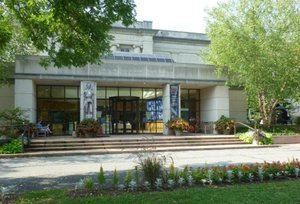 Reading Public Museum |
レディング | 15 | End of the Day, Study in Rocks, Gibraltar Furnace - Seyfert's Mill |
Francis Devlanの絵画の歴史12年。代表作を通じて、1857年から1868年までの歩みを辿ります。


End of the Day (1857)(Reading Public Museum, レディング)。続いてStudy in Rocks (1861)、そしてGibraltar Furnace - Seyfert's Mill (1868)が続きます。
22歳:End of the Dayは1857年の作品で、Francis Devlanは1835生まれです。
End of the Day, Study in Rocks, Gibraltar Furnace - Seyfert's Mill, Seyfert's Forge, Gibraltar, Summer, Landscape Study - Autumnal, Landscape Study, Landscape, Cattle (White Bull) と Cows in Pasture。上記のランキングには、それぞれの制作年と所蔵美術館が記載されています。
当カタログには、1857年から1868年にかけて制作されたFrancis Devlanによる15点の作品が掲載されています。
その多くはReading Public Museum (レディング)に所蔵されています。上記の表に各美術館を一覧で記載しています。
1864における作品は、このページにある全15点のうち3点にのぼり、その中にはLandscape Study - Autumnalが含まれます。
このページで最も古い作品はEnd of the Day (1857)、最新の作品はGibraltar Furnace - Seyfert's Mill (1868)です。
End of the Day, Study in Rocks と Gibraltar Furnace - Seyfert's Millは、Reading Public Museum, レディングが所蔵するこのページ内の15点の作品のうちの一つです。
はい。このページに掲載されているすべての絵画は、各作品の個別ページから、ご希望のサイズで、美術館品質の手描き油彩複製画、またはファインアートプリントとしてご注文いただけます。
Francis Devlan was an American painter who lived a relatively brief life, passing away in 1870. His work focused heavily on the natural world, capturing the quiet details of the land and the animals that inhabited it. Though his time was short, his presence in the mid-19th century art scene is felt through the surviving pieces that remain in public collections.
His hands were often busy with oil on canvas, a medium that allowed him to build texture and depth in his depictions of the earth. He had a particular interest in the ruggedness of the terrain, as seen in his 1855 work, a rocky landscape. This piece shows an early interest in the structural elements of nature, focusing on the physical presence of stone and earth.
Devlan’s brushwork often turned toward the living creatures that moved through these landscapes. He had a way of grounding his scenes with a sense of stillness. One of his notable subjects was a white bull, a piece titled Cattle (White Bull), which is held in the collection of the Reading Public Museum. This work, alongside his other landscape paintings, remains a part of the legacy associated with his style of painting.
His compositions often included:
His paintings are held in places like the Reading Public Museum, where they offer a glimpse into the visual language of the 1860s. These works provide a window into how the American landscape was perceived during his lifetime, focusing on the tangible reality of the environment rather than the abstract.


