Flavia Irwin: A Visionary of Light and Landscape
Flavia Irwin (1916–2009) was a British artist renowned for her distinctive approach to landscape painting, characterized by an ethereal blend of realism and abstraction. Born in Melbourne, Australia, Irwin’s artistic journey began with early explorations into watercolor and drawing, nurtured by a supportive family who encouraged her creative pursuits. Despite facing challenges during the tumultuous years following World War II, Irwin persevered, establishing herself as a respected figure within the British art scene and gaining international acclaim for her evocative depictions of coastal environments.
- Early Influences: Irwin’s formative artistic sensibilities were profoundly shaped by Impressionist painters like Claude Monet and Camille Pissarro, whose masterful use of light and color instilled in her a deep appreciation for capturing the transient beauty of nature.
- Formal Training: She pursued formal training at Chelsea School of Art, honing her technical skills and developing her artistic vision under the guidance of influential instructors.
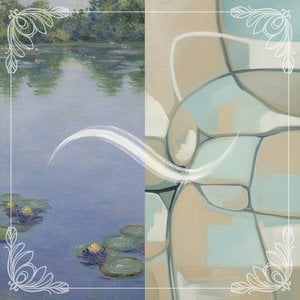
Irwin’s artistic style evolved over time, reflecting her growing fascination with geological formations and the interplay between light and shadow. Her canvases often feature dramatic coastal vistas—rugged cliffs plunging into turbulent seas—rendered in muted earthy tones punctuated by bursts of vibrant color. Unlike traditional landscape painters who sought to represent scenes faithfully, Irwin deliberately distorted forms and textures, prioritizing emotional resonance over precise accuracy. This technique, dubbed “Slipstream Art” by critics, captured the essence of a place rather than its literal appearance.
- Signature Technique: Irwin’s signature method involved layering thin washes of pigment onto textured surfaces—often prepared with sand or pumice—creating luminous effects that seemed to emanate from within the artwork.
- Notable Works: Among her most celebrated pieces are “Light Depiction 9,” a mesmerizing exploration of coastal luminescence, and “Coastal Drift I,” which showcases Irwin’s masterful command of color and form to convey the dynamism of the shoreline. Her work continues to inspire artists and viewers alike with its poetic vision of the natural world.
Irwin's contribution to British art extends beyond her individual paintings; she actively championed artistic experimentation and encouraged younger generations of artists to embrace unconventional approaches. Her unwavering dedication to her craft and her profound sensitivity to the beauty of landscape solidified her legacy as a pivotal figure in 20th-century art, ensuring that her evocative imagery would endure for decades to come. Her work is held in numerous collections across Europe and Australia, testament to its enduring appeal and artistic merit.