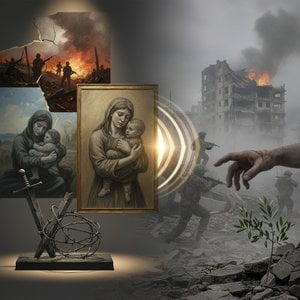
A Life Depicted in Conflict: The Art of David John Rowlands
David John Rowlands, born in 1952, stands as a preeminent figure in contemporary military art. His canvases aren’t merely depictions of battles and regiments; they are profound meditations on courage, loss, and the enduring human spirit amidst the chaos of war. Rowlands' work distinguishes itself through an unwavering commitment to historical accuracy, coupled with a deeply sensitive portrayal of the individuals who experience conflict firsthand. He doesn’t glorify warfare but rather presents it as a complex reality—a tapestry woven with threads of bravery, sacrifice, and profound emotional weight.
Early Influences & Artistic Development
Rowlands' path to becoming a celebrated military artist wasn’t conventional. While he didn’t come from a formal art background initially, his fascination with history, particularly the narratives surrounding British military engagements, was deeply ingrained from an early age. This passion fueled meticulous research and a desire to understand not just *what* happened in these conflicts but also *how* it felt for those involved. He honed his skills through dedicated self-study, mastering oil painting techniques that allowed him to capture the nuances of light, texture, and human expression. His early works often focused on recreating historical scenes with a level of detail rarely seen, establishing a foundation built upon rigorous accuracy.
Capturing Modern Conflicts: A Focus on Realism
As Rowlands’ career progressed, his focus shifted towards documenting modern conflicts—the Falklands War, the Gulf War, and more recently, engagements in Iraq and Afghanistan. This transition marked a significant turning point in his artistic approach. He moved beyond simply recreating past events to actively engaging with contemporary realities, often working directly with veterans and soldiers to gather firsthand accounts and visual references. This commitment to authenticity is palpable in his paintings; the uniforms are precise, the weaponry accurate, and the landscapes evocative of the specific theaters of operation. However, what truly sets Rowlands apart is his ability to imbue these scenes with a sense of humanity. His portraits aren’t idealized heroes but rather individuals grappling with fear, exhaustion, and the weight of their responsibilities.
Major Achievements & Regimental Commissions
Rowlands has become highly sought after for regimental commissions, creating paintings that serve as lasting tributes to specific units and their histories. These works are not simply historical records; they are deeply personal representations of camaraderie, sacrifice, and the bonds forged in conflict. His painting “The Raid on St Nazaire,” a dramatic depiction of this daring WWII operation, exemplifies his ability to capture both the scale of the event and the individual courage displayed by those involved. Similarly, “Dogwood’ Lament to the Lost” powerfully conveys the somber realities faced by the 1st Battalion The Black Watch in Iraq. His art is held in numerous private collections and official regimental museums, a testament to its enduring value and historical significance.
Historical Significance & Enduring Legacy
David John Rowlands’ contribution to military art extends beyond his technical skill and commitment to accuracy. He has played a crucial role in preserving the stories of modern conflicts—stories that might otherwise be lost or forgotten. His paintings serve as powerful reminders of the human cost of war, prompting reflection on the sacrifices made by those who serve. His work is not about glorifying conflict; it’s about honoring the individuals who experience it. Rowlands' legacy lies in his ability to bridge the gap between historical documentation and emotional resonance—creating art that is both informative and deeply moving. He continues to paint, driven by a desire to capture the realities of contemporary conflicts and ensure that the stories of those involved are never forgotten. His paintings stand as poignant testaments to courage, resilience, and the enduring human spirit in the face of adversity.
アーティストへのQ&A
David John Rowlandsは、どの時代に活動していましたか?
David John RowlandsはContemporaryに活動していました。この時代背景は、その画家の足跡を歴史の中に位置づけるものです。
David John Rowlandsの作品を技法別にまとめて閲覧できる場所はどこですか?
特定の技法によるDavid John Rowlandsの全作品をご覧いただくには、アーティストの技法別一覧ページをご利用ください。
David John Rowlandsの活動年表はありますか?
David John Rowlandsの作品を時系列で辿ることができるアーティスト・クロニクルページでは、各時代ごとに章立てされ、制作順に作品が並んでいます。