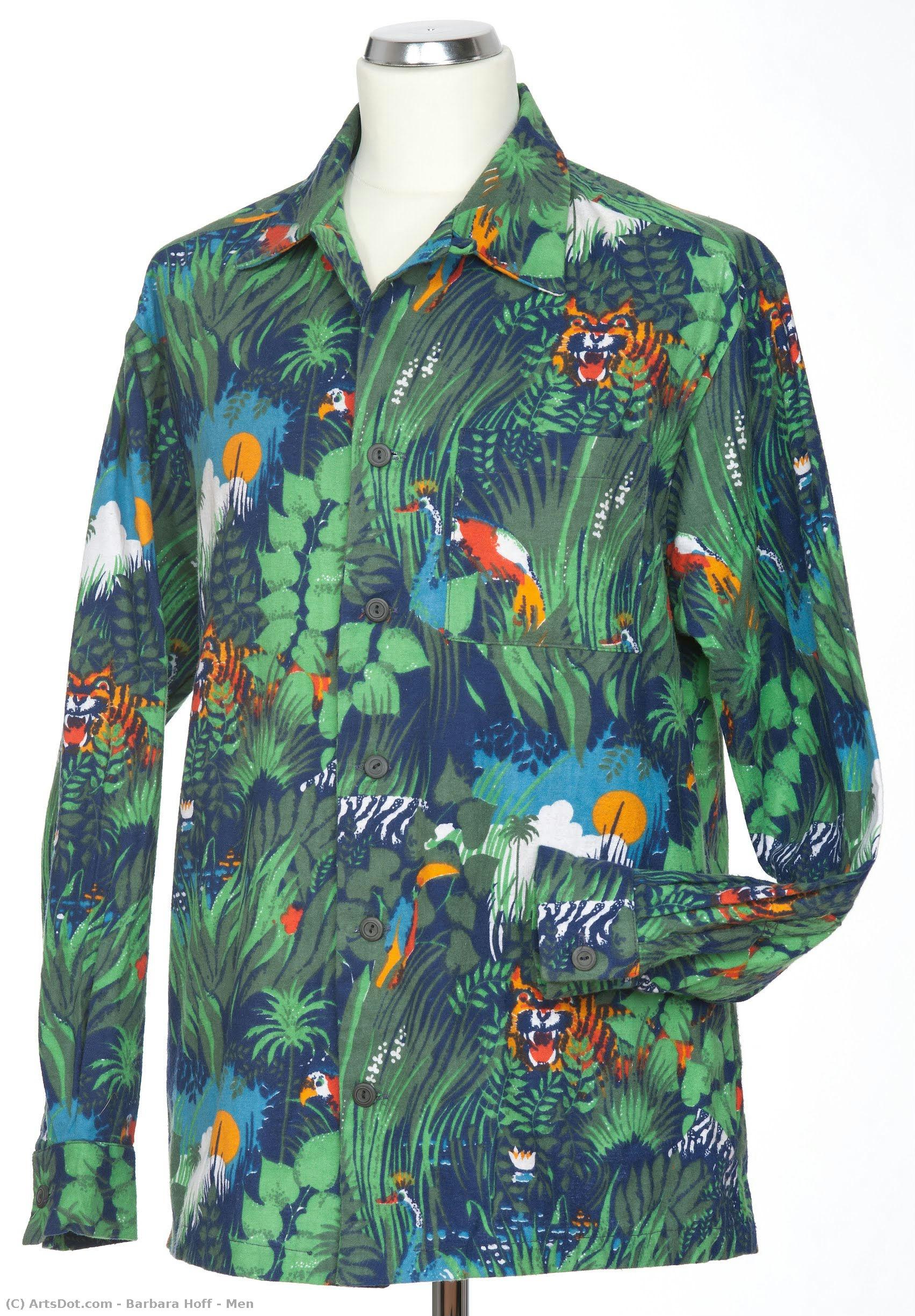

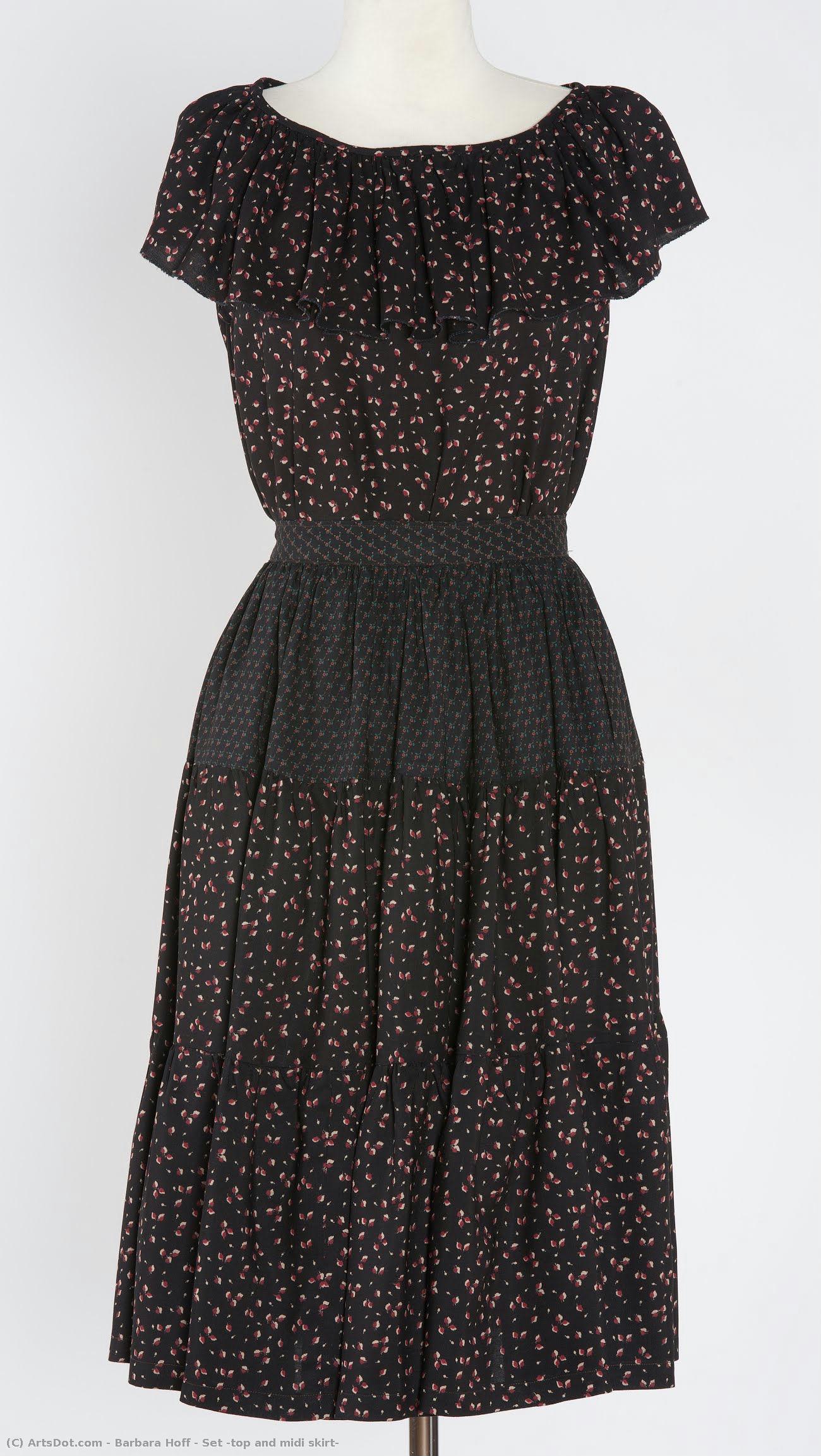
Barbara Hoffの最も有名な作品は、ウッチの中央テキスタイル博物館に所蔵されているMen (1985)です。 Neck-strap summer dress Neck-strap summer dress (1980)とShort-sleeved dress with a scarf (1980)を合わせ、誰もが知る3つの名作が揃いました。 当カタログにはBarbara Hoffによる8点の作品が掲載されています。以下の8点は、世界で最も注目されている作品であり、制作年、所蔵美術館、そしてその重要性についてまとめています。
各作品の検索数、閲覧数、および注文数を組み合わせた当サイトの人気スコアに基づきランキングを作成しています。最終更新:11月 2026




このページに掲載されている絵画を最も多く所蔵している 1 の美術館
| 美術館 | 都市 | Barbara Hoffの作品 | このリストの絵画 |
|---|---|---|---|
 中央テキスタイル博物館 |
ウッチ | 8 | Men, Neck-strap summer dress Neck-strap summer dress, Short-sleeved dress with a scarf |
Barbara Hoffの活動期間は1980年から1985年までのわずか6年間でした。その短いキャリアを、代表的な名画とともに年を追って振り返ります。


Men (1985)(中央テキスタイル博物館, ウッチ)。続いてNeck-strap summer dress Neck-strap summer dress (1980)、そしてShort-sleeved dress with a scarf (1980)が続きます。
53歳:Menは1985年の作品で、Barbara Hoffは1932生まれです。
当カタログには、1980年から1985年にかけて制作されたBarbara Hoffによる8点の作品が掲載されています。
その多くは中央テキスタイル博物館 (ウッチ)に所蔵されています。上記の表に各美術館を一覧で記載しています。
1985における作品は、このページにある全8点のうち5点にのぼり、その中にはMenが含まれます。
このページで最も古い作品はNeck-strap summer dress Neck-strap summer dress (1980)、最新の作品はMen (1985)です。
Men, Neck-strap summer dress Neck-strap summer dress と Short-sleeved dress with a scarfは、中央テキスタイル博物館, ウッチが所蔵するこのページ内の8点の作品のうちの一つです。
Barbara Hoff, born in 1932 in the industrial heart of Katowice, Poland, stands as a singular figure in the annals of twentieth-century design. Her life and work represent far more than mere aesthetic choices; they embody the spirit of creativity and resilience required to flourish during the restrictive era of communist Poland. Grounding her artistic sensibilities in a deep understanding of visual culture through her studies at Jagiellonian University, Hoff developed a perspective that transcended the boundaries of traditional fashion. She did not merely design clothing; she engineered a way for individuals to reclaim their identity within a landscape of ideological uniformity.
Her journey into the public consciousness began not on a runway, but through the written word. As a journalist for Przekrój, a weekly magazine renowned for its progressive and socially conscious stance, Hoff honed an observational prowess that allowed her to capture the pulse of a changing society. Her writing became a vital medium for exploring the burgeoning world of fashion, where she analyzed emerging trends and advocated for a more experimental approach to personal style. Through her columns, she championed the idea that fashion could be a tool for self-expression even when resources were scarce, bridging the gap between high art and everyday life.
Perhaps the most profound chapter of her career was the creation of Hoffland. Recognizing the immense potential for DIY creativity amidst the limitations of state-controlled production, Hoff founded this clothing initiative to prioritize accessible designs and mass-produced collections. This endeavor was a deliberate act of cultural defiance. In an era where consumer goods were often monotonous and difficult to obtain, Hoffland provided a sense of vibrancy and individuality. She turned the necessity of improvisation into a celebrated art form, encouraging her audience to transform simple fabrics into sophisticated statements.
The impact of her work extended deeply into the visual fabric of Polish culture. Her influence was not confined to the printed page or the retail shop; it flowed into the cinematic arts as well. As a costume designer for notable films, she utilized her meticulous attention to detail and her ability to convey complex emotions through visual storytelling to craft memorable characters. Her designs were never just about covering the body; they were about narrating a story, reflecting the internal struggles and triumphs of the era.
Beyond the tangible garments and cinematic costumes, Hoff’s intellectual contributions remain a cornerstone of her legacy. She possessed a rare ability to connect the dots between disparate worlds, authoring insightful books that delved into art history and explored the intricate connections between artistic movements and societal transformations. This scholarly depth allowed her to view fashion as part of a much larger historical continuum, where every stitch and silhouette reflected the shifting tides of politics and culture.
Today, the work of Barbara Hoff is remembered for its bold use of color and its enduring spirit of innovation. Her achievements can be summarized through several key pillars of her career:
Barbara Hoff remains an icon of Polish creativity, a designer who understood that true style is born from the ability to find beauty and distinction even in the most challenging circumstances.