

Introduction
To step into a gallery dominated by deep, espresso tones is to enter a space of profound intimacy and quiet contemplation. There is a particular gravity found in the darker spectrum of art history—a richness that transcends mere color to evoke the scent of aged parchment, the warmth of candlelight, and the weight of human experience. These works do not shout for attention with neon brilliance; instead, they draw the viewer inward, inviting us to linger within their shadows and discover the subtle complexities hidden in the umber, sienna, and sepia depths.
Historically, this palette has been the cornerstone of some of humanity's most significant movements. From the dramatic chiaroscuro of the Baroque masters, who used deep blacks and rich browns to sculpt figures out of nothingness, to the somber, soulful portraits of the Dutch Golden Age, these tones have long served as the visual language of prestige and permanence. These artists understood that light only gains its true power when it has a profound darkness from which to emerge. Culturally, these pigments represent an era of earth-bound mastery, where pigments were derived from the very soil and minerals of the world, grounding each masterpiece in a tangible, organic reality.
Today, these paintings remain deeply meaningful because they offer a sanctuary of stillness in an increasingly frenetic digital age. In an era of high-contrast screens and fleeting imagery, the steady, rhythmic warmth of an espresso-toned canvas provides a sense of continuity and emotional depth. They remind us of the beauty found in the understated and the strength found in the shadows.
As we journey through this curated selection, we will explore ten canonical masterpieces that define this aesthetic. We will examine how different masters—from the dramatic tension of Caravaggio to the quiet, tonal elegance of Rembrandt—utilized a palette of deep browns and rich roasted hues to capture the eternal essence of their subjects. Prepare to see the light differently as we navigate these storied shadows.
The Scream - Edvard Munch
 The Scream - Edvard Munch
To witness The Scream by Edvard Munch is to feel the raw, physical vibration of the paint itself. The brilliance of this masterpiece lies in its heavy, agitated brushwork; Munch did not merely apply color, but sculpted emotion through thick, swirling strokes that create a visceral, textured landscape of anxiety. In this selection of the top 10 famous paintings dominated by 'espresso' tones , the darker, earthier shadows within the bridge and the receding figures provide a somber, grounded contrast to the fiery, blood-orange sky, anchoring the existential dread in a palette of deep, melancholic hues.
At WahooArt.com , we believe such profound textures should never be lost to a flat print. Our Handmade Oil Reproductions are meticulously crafted on 100% cotton canvas, capturing every visible impasto stroke and the dramatic tonal range of Munch’s original vision. We preserve the three-dimensional soul of this Expressionist icon, allowing you to bring the heavy, tactile weight of art history into your own collection through a museum-grade masterpiece.
The Girl with a Pearl Earring - Johannes Vermeer
 The Girl with a Pearl Earring - Johannes Vermeer
In The Girl with a Pearl Earring , Johannes Vermeer achieves a masterclass in chiaroscuro, utilizing a profound interplay of light and shadow to pull the subject from an infinite, espresso-toned void. The brilliance of the work lies in how a single, soft light source catches the moisture of her eyes and the singular, luminous highlight on the pearl, creating a focal point that feels almost tactile. This dramatic contrast between the deep, dark background and the radiant skin tones is precisely why this masterpiece remains a cornerstone of the Dutch Golden Age.
The painting’s sophisticated use of light does more than capture a moment; it creates an atmosphere of quiet intimacy that transcends centuries. When brought into a modern interior, a hand-made oil reproduction of this work introduces a sense of historical luxury and architectural depth. The visible brushstrokes and the rich, dark pigments of the background provide a grounding, sophisticated weight to any room, allowing the light-drenched features of the girl to serve as a captivating, soulful centerpiece for the discerning collector.
Liberty Leading the People - Eugène Delacroix
 Liberty Leading the People - Eugène Delacroix
In Eugène Delacroix's 1830 masterpiece, Liberty Leading the People , the atmosphere is thick with the smoke of revolution and a palette deeply rooted in somber, espresso-toned shadows. This iconic work of French Romanticism utilizes a heavy, earthy foundation of deep browns, charcoal grays, and muted ochres to ground the chaotic energy of the July Revolution. These dark, coffee-like tones create a dramatic chiaroscuro effect, allowing the sudden, piercing strikes of the red, white, and blue tricolor to emerge from the gloom like a heartbeat.
The composition is anchored by these rich, dark pigments, which lend a sense of historical weight and gravity to the fallen revolutionaries beneath Liberty's feet. There is a gaze in this painting that follows you—not with judgment, but with understanding . It does not merely depict a battle; it acts as a mirror to the human spirit's resilience. When you bring a hand-painted oil reproduction of this work into your home, those deep, espresso tones do more than decorate a wall; they remind you that even in the darkest shadows, the light of freedom persists.
Time transfixed - René Magritte
 Time transfixed - René Magritte
In Time Transfixed by René Magritte, the eye is immediately drawn to the profound depth of the dark, espresso-toned shadows that anchor this surrealist dreamscape. The meticulous oil technique allows for a smooth, almost porcelain-like finish on the marble mantelpiece, contrasted sharply by the heavy, metallic textures of the locomotive emerging from the hearth. This mastery of light and shadow—where deep umbers and rich browns create a sense of architectural weight—is what defines this work as a cornerstone of our collection of masterpieces dominated by espresso tones.
Magritte’s ability to render the impossible with such hyper-realistic precision creates a tactile tension that is palpable. At WahooArt.com, we strive to preserve this exact three-dimensional quality. Our handmade oil reproductions are meticulously layered on cotton canvas, ensuring that the visible brushstrokes and the dramatic, tonal range of the original 1938 masterpiece are captured for your home. Through our professional artists, the unsettling beauty of Magritte’s locomotive—a symbol of unstoppable progress piercing through domestic tranquility—is transformed into a museum-grade centerpiece that retains its soulful, physical presence.
The Menaced Assassin - René Magritte
 The Menaced Assassin - René Magritte
In René Magritte’s 1927 masterpiece, The Menaced Assassin , the boundaries between security and surveillance dissolve into a dreamlike haze of psychological tension. This work stands as a cornerstone of our collection of famous paintings dominated by espresso tones, utilizing a somber palette of deep browns, charcoal greys, and rich, coffee-stained shadows to anchor its surrealist disorientation. The composition presents a staged, unsettling interior where a reclining figure is shadowed by the looming, metallic presence of a gramophone horn—a symbol of invasive observation.
The painting’s profound depth lies in its ability to evoke a sense of quiet dread through meticulous realism applied to an illogical world. In contemporary curated spaces, Magritte’s use of muted, earthy pigments and heavy shadows resonates with modern minimalist aesthetics that favor moody, intellectual atmospheres. For collectors seeking to bring this level of historical intrigue into their homes, we offer exquisite hand-painted oil reproductions that capture every subtle brushstroke and the velvety texture of these dark, espresso-infused tones, preserving the haunting prestige of Magritte’s vision.
The Third of May, 1808 The Execution of the Defenders of Madrid - Francisco José de Goya y Lucientes
 The Third of May, 1808 The Execution of the Defenders of Madrid - Francisco José de Goya y Lucientes
In Francisco Goya’s The Third of May, 1808 , the composition is a masterclass in dramatic tension, utilizing a heavy, asymmetrical geometry to guide the viewer's eye through a night of profound tragedy. The structural balance is anchored by the stark, vertical presence of the central figure in white, whose outstretched arms create a powerful focal point that disrupts the oppressive, horizontal line of the French firing squad. This interplay of light and shadow—a visceral use of chiaroscuro —is enveloped in deep, espresso-toned shadows that swallow the background, leaving only the raw, emotional core of the struggle visible.
The painting’s reliance on dark, earthy pigments and intense tonal contrasts creates a grounded, somber atmosphere that resonates with the principles of modern minimalist design; its ability to command a room through weight and mood rather than clutter makes it an ideal anchor for contemporary interiors. As one of the top 10 famous paintings dominated by espresso tones , this work offers more than historical gravity; it provides a sophisticated, dark-hued aesthetic that brings a sense of museum-grade prestige to any collection. Owning a hand-painted oil reproduction allows you to preserve this hauntingly beautiful balance of light and darkness in your own home.
Haystacks in Provence - vincent willem van gogh
 Haystacks in Provence - vincent willem van gogh
Imagine standing amidst the sun-drenched fields of Arles in 1888, where the air is thick with the scent of harvested grain and the warmth of a Provencal summer. In Haystacks in Provence , Vincent van Gogh captures more than a mere landscape; he captures a visceral, emotional pulse. This masterpiece is anchored by deep, earthy undertones—rich espresso and burnt umber tones that ground the vibrant, golden yellows of the haystacks, creating a sophisticated palette of warmth and shadow.
Van Gogh’s signature impasto technique brings a sculptural dimension to the canvas, with thick, rhythmic brushstrokes that invite you to feel the movement of the wind through the stalks. The interplay of these dark, coffee-hued shadows against the brilliant light offers a profound sense of stability and seasonal abundance. For the modern collector, introducing such a work into a living space provides an anchor of historical depth and quiet contemplation. Whether through a hand-painted oil reproduction or a textured Giclée, the presence of these soulful, autumnal tones can transform a room into a sanctuary of creative inspiration and timeless elegance.
Freedom from want - Norman Rockwell
 Freedom from want - Norman Rockwell
Imagine the scent of roasted turkey and warm spices wafting through a room filled with the soft hum of laughter and the clinking of silverware. In Norman Rockwell’s Freedom from Want , we are not merely observing a Thanksgiving dinner; we are stepping into a sanctuary of security and gratitude. Created in 1942 amidst the shadows of World War II, this masterpiece serves as a profound anchor of hope, illustrating the democratic ideal of economic stability through a lens of domestic abundance.
The painting earns its place among the top espresso-toned masterpieces through its rich, autumnal palette. Deep browns, toasted ochres, and warm umber shadows wrap around the gathered family, creating a cozy, light-drenched atmosphere that feels both nostalgic and eternal. This heavy use of earthy, dark tones provides a sense of groundedness and permanence. Bringing such a work into a modern home allows you to invite this same sense of stability and warmth into your living space, transforming a wall into a window of timeless peace.
After the Bath - Pierre-Auguste Renoir
 After the Bath - Pierre-Auguste Renoir
In the quietude of 1888, Pierre-Auguste Renoir captured a moment where time seems to dissolve into the soft shadows of nature. After the Bath is a profound study in intimacy, where the warmth of human skin meets the deep, grounding shadows of the natural world. This masterpiece earns its place among the top paintings dominated by espresso tones through its masterful use of rich, dark undercurrents that provide a structural weight to Renoir’s otherwise luminous Impressionist palette.
The painting’s brilliance lies in how these deep, coffee-hued shadows and earthy textures anchor the ethereal light dancing across the figure, creating a visual depth that is both comforting and sophisticated. The interplay of warm ochre, burnt umber, and soft pinks creates an atmosphere of quiet prestige that transcends the canvas. At WahooArt.com, we believe such transformative beauty should not be confined to museum walls. By commissioning a high-fidelity, hand-painted oil reproduction, you can bring this evocative sense of peace and the timeless elegance of Renoir’s espresso-toned shadows into your own home or private gallery, creating a sanctuary of classical grace.
Portrait of Adele Bloch-Bauer I - Gustav Klimt
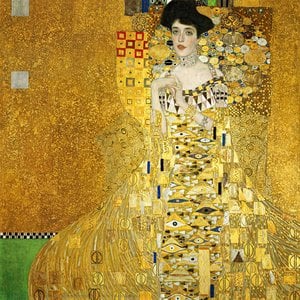 Portrait of Adele Bloch-Bauer I - Gustav Klimt
In the Portrait of Adele Bloch-Bauer I by Gustav Klimt, the deep, grounding presence of espresso-toned shadows provides a vital counterpoint to the overwhelming brilliance of his 'Golden Phase.' These dark, rich pigments emerge from the swirling mosaics, creating a sense of profound mystery and structural weight that prevents the gold from becoming purely decorative. This masterful use of high-contrast tones is precisely why this work earns its place among the top 10 famous paintings dominated by espresso tones ; the dark recesses lend a psychological depth to Adele’s enigmatic gaze, anchoring the ethereal gold leaf to a tangible, earthly reality.
For the discerning collector, integrating such a palette into a modern interior can transform a dining room or study into a sanctuary of sophisticated warmth. The interplay between the deep browns and shimmering golds allows you to curate an atmosphere of luxurious intimacy, perfect for spaces designed for quiet contemplation. Whether you are admiring a museum original or commissioning a handmade oil reproduction , this specific color harmony brings a timeless, regal energy to any architectural setting.
Conclusion
As the light fades on our exploration of these deep, resonant tones, we are reminded that a painting is far more than a mere arrangement of pigment and oil. The rich, espresso-hued masterpieces we have traversed today serve as silent witnesses to history, bridging centuries and souls through the shared language of shadow and warmth. Each stroke of umber, sienna, and burnt sepia carries with it a timeless conversation—a quiet, enduring dialogue between the artist’s original intent and the modern admirer’s gaze.
These works are not merely static treasures locked within the halls of distant museums; they are living presences. They possess the power to anchor a room, to provide depth to a contemporary interior, and to stir a sense of profound nostalgia within the human heart. When we surround ourselves with such gravity and grace, we invite the wisdom of the masters into our daily lives, allowing their creative spirit to continue shaping our own aesthetic journeys.
Whether you are drawn to the dramatic chiaroscuro of a Baroque portrait or the quiet, earthy stability of a Renaissance landscape, we invite you to find your own connection within our full collection . In every texture and every shadow, there remains an invitation to wonder, to reflect, and to remain forever moved by the enduring beauty of the human hand.