
アート相談を無料で

x
プリントを購入 プリントを購入画像を 購入する 画像を 購入する シェアするシェアする
詳細を見る詳細を見る お気に入りに追加 お気に入りに追加 ダウンロードダウンロード 似ている作品似ている作品 X線X線 スライドショースライドショー

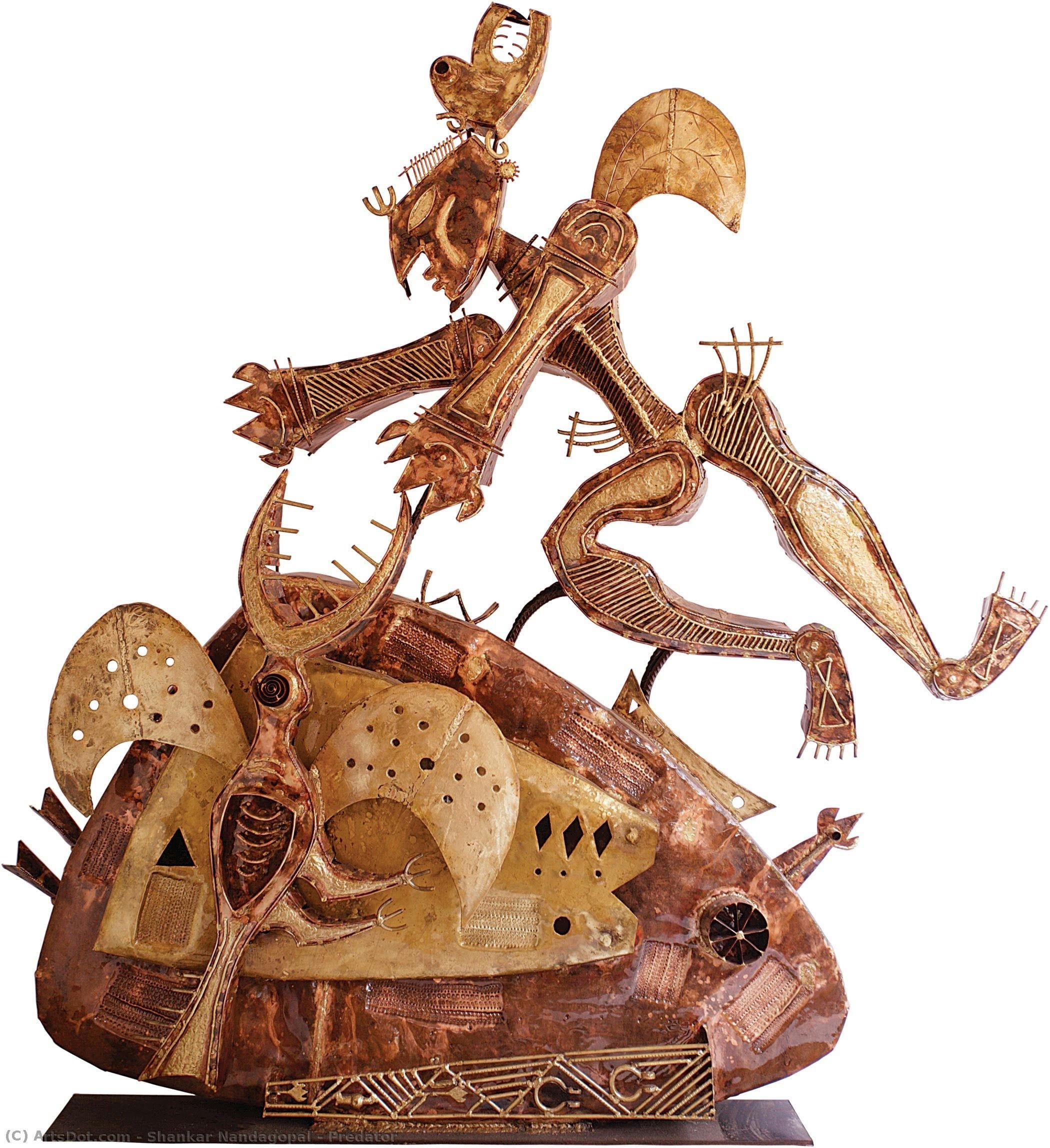
Predator

Shankar Nandagopal (1946-2017) was a leading Indian sculptor & painter of the Madras Art Movement, known for his innovative metal sculptures exploring form and space. Son of K.C.S. Paniker, recipient of Lalit Kala Akademi & Jindal awards.

手描き油彩複製画

当社のアーティストが、お客様のご希望のサイズと額縁に合わせて、キャンバスに手描きで制作する油彩画です。

Standard
custom
CM
INCH

作品のオリジナル比率に合わせた、当店の規定サイズからお選びください。

高さ

特定のフレームやスペースに合わせて、ご希望のサイズをご入力いただけます。選択されたサイズが元の画像の比率と異なる場合、アートワークをトリミングするか、手描きで要素を追加して絵画を拡張いたします。デジタルモックアップ を制作し、制作開始前にご確認(承認)をいただきます。
画面上のプレビューは、実際のトリミングや拡張を正確に反映しているものではありません。最終的な構図は、モックアップによってのみ正確にご確認いただけます。
カスタムサイズもご利用いただけますが、元の比率を維持するためには、あらかじめ用意されたリストからサイズを選択することをお勧めいたします。

カスタマイズの例:顔をお客様の写真に置き換える、ペットを追加する(例:猫を犬に変更)、背景に隠れたメッセージを入れる、背景の風景や要素を変更するなど。
ご注文後、WahooArt.com チームより詳細な指示をお送りするとともに、仕上がりイメージ(モックアップ)をご提供いたします。

世界中への配送()は、通常の5週間ではなく、3〜4週間でお届けいたします。(7 7月)。品質には一切妥協いたしません。

why_choose_icon
世界中へ無料エクスプレス配送
why_choose_icon
高品質なリネンキャンバス
why_choose_icon
配送時完全保険付
why_choose_icon
関税・輸入税の払い戻し保証
why_choose_icon
忠実な色彩再現保証
why_choose_icon
60日間返品保証(製造上の欠陥のみ)
why_choose_icon
100% 全額返金保証
why_choose_icon
まとめ買い割引のご案内

合計金額

-

reproduction

Predator

複製技法

複製画のサイズ

-

合計金額

-

作品解説

Nandagopal belongs to the contemporary sculpture movement in Madras. His works are frontal in nature and linear which marks the characteristics of the Madras Metaphor. The medium is welded copper and brass and depicts Krishna vanquishing Bakasura the legendary evil bird.

関連作品


アーティストの略歴

Shankar Nandagopal: A Pioneer of Metal Sculpture and the Madras Art Movement

Shankar Nandagopal (1946 – 14 April 2017) was an Indian sculptor and painter, recognized as a pivotal figure in the Madras Art Movement—a movement that fundamentally reshaped modern art landscapes in South India. Born in Bengaluru, Karnataka, to K. C. S. Paniker, the visionary founder of Cholamandal Artists’ Village, Nandagopal's artistic lineage instilled within him an unwavering dedication to experimentation and innovation. This formative influence profoundly shaped his career trajectory, culminating in two prestigious Lalit Kala Akademi Awards—a testament to his exceptional talent and contribution to Indian art.

Early Life and Artistic Foundations

Nandagopal’s upbringing amidst the vibrant Cholamandal Artists' Village provided him with an unparalleled environment for artistic development. His father, K. C. S. Paniker, established Cholamandal as a haven for artists seeking refuge from conventional academic pressures, fostering a spirit of collaborative creativity and challenging established artistic norms. This ethos permeated Nandagopal’s own approach to art, encouraging him to push boundaries and explore unconventional materials—particularly metal—as mediums for sculptural expression. The early exposure to Paniker's pioneering vision undoubtedly cemented Nandagopal’s commitment to forging his own distinctive artistic path.

The Madras Art Movement: Influences and Aesthetic Principles

Nandagopal’s artistic sensibilities were inextricably linked to the Madras Art Movement, which emerged in the mid-1950s as a reaction against Western formalism. Spearheaded by Paniker himself, this movement championed modernist ideals—characterized by abstraction, geometric forms, and a deliberate rejection of representational imagery—while simultaneously drawing inspiration from Indian folk traditions and Buddhist iconography. Artists within the Madras Art Movement sought to synthesize Eastern spirituality with Western artistic techniques, resulting in artworks that conveyed profound emotional depth alongside intellectual rigor. Nandagopal’s sculptures embody these core principles, utilizing metal as a canvas for exploring spatial relationships and conveying evocative narratives.

Technique and Artistic Style

Nandagopal's mastery of metal sculpture distinguished him from many contemporaries. He skillfully manipulated steel and other metals—often incorporating intricate textures and surface treatments—to create monumental pieces that commanded attention and invited contemplation. His approach mirrored the broader aesthetic trends of the Madras Art Movement, prioritizing form and space over literal depiction. Like Paniker’s earlier paintings, Nandagopal's sculptures aimed to evoke a sense of grandeur and spiritual resonance, reflecting the movement’s ambition to elevate art beyond mere visual pleasure into a vehicle for conveying philosophical ideas. The resulting artworks are marked by their sculptural presence and textural richness—a legacy of his formative artistic experiences.

Notable Achievements and Legacy

Nandagopal received considerable acclaim throughout his career, notably earning the Jindal Stainless Steel Award for Sculpture in 2002—a recognition that underscored his unwavering dedication to pushing artistic boundaries. His sculptures have been exhibited internationally, securing a prominent place within the canon of contemporary Indian art. More importantly, Nandagopal’s work serves as an enduring symbol of the Madras Art Movement's transformative impact on South Indian visual culture. He remains remembered not merely as a sculptor but as a custodian of Paniker’s artistic vision—a figure who championed innovation and upheld the movement’s commitment to exploring the intersection of tradition and modernity.
  • Lalit Kala Akademi Award (Two Recipients)
  • Jindal Stainless Steel Award for Sculpture
shankar nandagopal

shankar nandagopal

1946 - 2017 , India

基本情報

  • Artistic Movement Or Style: Madras Art Movement
  • Artists Or Movements Influenced By This Artist: ['Space Painting']
  • Artists Who Influenced This Artist: ['K.C.S. Paniker']
  • Date Of Birth: 1946
  • Date Of Death: 2017
  • Full Name: Shankar Nandagopal
  • Nationality: Indian
  • Notable Artworks:
    • Predator
    • Landscape
  • Place Of Birth: Bengaluru, India





































