アート相談を無料で

x
手描き複製画を注文する 手描き複製画を注文する画像を 購入する 画像を 購入する シェアするシェアする
詳細を見る詳細を見る お気に入りに追加 お気に入りに追加 ダウンロードダウンロード 似ている作品似ている作品 X線X線 スライドショースライドショー

untitled (7056)

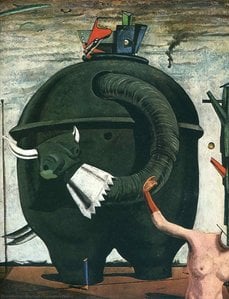
Explore Max Ernst’s "untitled (7056)", a dynamic Cubist painting bursting with vibrant color & fragmented forms. Discover its surreal energy & layered technique – a unique art piece.

ダダイズムとシュルレアリスムを牽引したマックス・エルンスト。コラージュ、フロッタージュなど革新的な技法を用い、夢幻的な風景や心理世界を描き出しました。20世紀美術に多大な影響を与えた芸術家です。

ジークレー/アートプリント

迅速な制作と多彩な仕上げオプションを備えた、ミュージアムクオリティのジークレーまたはキャンバスプリント。

P118B $10
P118H $10
P118W $10
P438Z $10
P508JH $12
P508YH $12
P805H $10
P805Z $10
P919BZ $10
P919G $10
P919XJ $10
P959ZH $10
P968JZ $12
W106C $8
W218G $10
W218JH $8
W218Y $10
W307PJ $10
W316G $10
W316PJ $8
W316Y $10
W398PJ $8
W4111J $10
W500HY $15
W500JH $15
W692G $12
W849H $8
W940BG $15
W953PJ $8

Standard
custom
CM
INCH

作品のオリジナル比率に合わせた、当店の規定サイズからお選びください。

高さ

特定のフレームやスペースに合わせて、ご自身でサイズを指定することも可能です。選択されたサイズが元の画像の比率と一致しない場合、作品をトリミングするか、鏡面反射または単色での塗りつぶしによって画像を拡張いたします。制作を開始する前に、ご確認用のデジタルモックアップをお送りいたします。
画面上のプレビューには、実際のトリミングや拡張は反映されませんのでご注意ください。最終的な構図を正確に確認できるのは、モックアップのみとなります。
カスタムサイズも承っておりますが、元の比率を維持するためには、あらかじめ用意されたリストからサイズを選択することをお勧めいたします。

世界中への配送()は、標準の4〜5週間ではなく、2週間でお届けいたします。(7 7月)

why_choose_icon
世界中へ無料エクスプレス配送
why_choose_icon
高品質なリネンキャンバス
why_choose_icon
配送時完全保険付
why_choose_icon
関税・輸入税の払い戻し保証
why_choose_icon
忠実な色彩再現保証
why_choose_icon
60日間返品保証(製造上の欠陥のみ)
why_choose_icon
100% 全額返金保証
why_choose_icon
まとめ買い割引のご案内

合計金額

-

reproduction

untitled (7056)

ジークレー/アートプリント

複製画のサイズ

-

合計金額

-

作品詳細

  • movement: Cubism, Surrealism, Dada
  • influences: Pablo Picasso
  • notable elements: geometric shapes, vibrant color palette, fragmented planes
  • title: untitled (7056)
  • artist: max ernst
  • medium: oil on canvas

アート・クイズ

各質問の正解は1つだけです。

問題 1:
To which artistic movement is Max Ernst's 'untitled (7056)' most closely aligned?
問題 2:
What is a defining characteristic of the composition in 'untitled (7056)'?
問題 3:
Max Ernst was a pioneer associated with which two major art movements?
問題 4:
Based on the description, what is the primary medium used in 'untitled (7056)'?

作品詳細説明

A Fragmented Vision: Exploring Max Ernst’s Untitled Composition (7056)

This captivating work by Max Ernst is a prime example of his foray into Cubist-inspired abstraction, showcasing a dynamic interplay of form and color that defines much of his early artistic exploration. While untitled, the painting – designated 7056 – presents a compelling visual puzzle, inviting viewers to decipher its fragmented narrative.

Deconstructing Reality: Style & Technique

The artwork is deeply rooted in the principles of Cubism, particularly Synthetic Cubism. Ernst doesn’t merely depict objects; he *deconstructs* them, breaking down figures and forms into geometric planes and reassembling them in a non-naturalistic manner. Bold, angular lines define these shapes – cubes, rectangles, and more organic curves – creating a sense of energetic fragmentation. The technique employed is characteristic of Ernst’s approach: layering paint to build form within the flattened picture plane, hinting at depth without relying on traditional perspective. Oil paints on canvas provide a rich texture, subtly implied through the application of pigment.

Subject Matter & Composition

Though abstracted, hints of figuration emerge from the composition. The painting appears to depict figures engaged in an activity, though their forms are highly stylized and reduced. It’s not about *what* is being depicted, but *how* it's perceived – a core tenet of Cubism. The image is divided into distinct blocks of color, creating a dynamic composition that draws the eye across the canvas. The lack of strong shadows or highlights contributes to an even illumination, further emphasizing the flattened space and the interplay between shapes.

Color & Emotional Resonance

Ernst’s palette is intensely saturated and contrasting. Blues, reds, yellows, and whites are used in a non-naturalistic way, amplifying the painting's emotional impact. The vibrant colors contribute to the sense of energy and movement, while also creating a slightly unsettling, dreamlike quality. This juxtaposition reflects Ernst’s interest in exploring the subconscious mind – a hallmark of his later Surrealist work.

Max Ernst: A Pioneer of Modernism

Born in Germany in 1891, Max Ernst was a pivotal figure in both Dada and Surrealism. His artistic journey began with Expressionism but quickly evolved as he absorbed the influences of Picasso and other avant-garde artists. Ernst’s experimentation with techniques like frottage (rubbing) and collage demonstrates his relentless pursuit of new ways to express inner realities. This painting, while predating some of his most famous Surrealist works, reveals a nascent exploration of psychological themes and subjective perception that would come to define his career. His work consistently challenged conventional artistic norms, paving the way for future generations of artists.

Symbolism & Interpretation

While direct symbolism is elusive in this abstracted composition, the fragmentation itself can be interpreted as a reflection of the anxieties and uncertainties of the early 20th century. The breakdown of traditional forms mirrors a broader societal upheaval, questioning established norms and embracing new modes of expression. The painting’s ambiguity invites viewers to project their own interpretations onto it, making it a deeply personal experience.

A Statement Piece for Modern Interiors

This untitled work by Max Ernst would serve as a striking focal point in any modern or contemporary interior. Its bold colors and dynamic composition add visual interest and intellectual depth. The painting’s abstract nature allows it to complement a variety of décor styles, from minimalist to eclectic. A high-quality reproduction captures the vibrancy and energy of the original, bringing a touch of modernist sophistication to your space.

関連作品


アーティストの略歴

マックス・エルンスト:シュルレアリスムの先駆者、夢と技法の探求

マックス・エルンストは、1891年4月2日にドイツのブリュールで生まれ、20世紀美術における最も重要な芸術家の一人として記憶されています。彼の人生は、哲学的な探究心、心理学への深い関心、そして社会規範に対する強い反抗心によって推進された、自己主導型の芸術的探求でした。エルンストの父親は耳の不自由な人々を教える教師であり、アマチュア画家でもありました。この環境が、彼に世界に対する感受性と権威に対する反逆心を植え付けたのです。幼少期から培われたこの二面性は、彼の芸術的ビジョンの根幹となりました。ボン大学での学業 – 哲学、美術史、文学、心理学、精神医学を網羅する – は単なる余興ではなく、その後の作品に深く影響を与える基盤となりました。彼は絵を描く方法だけでなく、「なぜ」描くのかという問いに向き合っていたのです。 1912年のケルンで開催されたゾンダーブント展でピカソ、ゴッホ、ゴーギャンの革新的な作品に出会い、彼の芸術的軌道は決定的に変化しました。第一次世界大戦の勃発は、エルンストにとって転換点となりました。東部および西部戦線での兵役経験は彼を深く傷つけ、確立された秩序に対する深い懐疑感と、新たな表現方法への渇望を生み出しました。この失望感が肥沃な土壌を見つけたのが、台頭してきたダダイスムでした。エルンストはこれを熱心に受け入れ、ハンス・アルプと共にケルンのダダイ集団の中核を担い、伝統的な芸術的慣習を拒否し、不条理、偶然性、非合理性を抱きしめました。しかし、ダダイズムは単なる通過点でした。1920年代初頭にパリに移住したエルンストは、アンドレ・ブルトン率いるシュルレアリスムの仲間入りを果たしました。これは、夢の世界、無意識、そして非合理を探求することへのシフトを意味しました。ジークムント・フロイトの精神分析理論の影響を受け、エルンストは芸術を通して人間の経験の深層にある心理的な力を明らかにするよう努めました。

革新的な技法:フロッタージュ、グラタージュ、コラージュ

エルンストの芸術的革新は主題だけでなく、技法にも及びました。彼は既存の方法を単に採用するのではなく、新しいものを発明しました。おそらく最も有名な貢献はフロッタージュです。これは、様々な素材の表面の質感に鉛筆や木炭で擦り込むことで、予期せぬ表現力豊かなイメージを生み出すプロセスです。この技法は、退屈な瞬間から生まれたものであり、エルンストが無意識に触れ、意図的に制御できない形を生成することを可能にしました。密接に関連するものとしてグラタージュがあり、キャンバスに塗られた絵の具を掻き落とし、その下に置かれたオブジェクトの痕跡を現出させます。 彼はまた、雑誌からの切り抜き、科学的イラストレーション、写真など、様々な要素を組み合わせたシュールな構成を作り出すコラージュも巧みに使用しました。これらの技法は単なる様式的な選択ではなく、無意識を探求し、伝統的な芸術的境界線を破壊したいという彼の願望に不可欠でした。彼の絵画には、しばしば反復する象徴的なイメージが見られます。鳥(特に彼のもう一人の人格であるロプロップ)、荒涼とした風景、不穏な組み合わせ、そして蔓延する神秘主義です。

影響と遺産

第二次世界大戦の勃発は、エルンストをヨーロッパからの亡命へと追い込みました。彼はアメリカ合衆国で避難し、亡くなるまで新しい技法を実験しながら絵を描き続けました。戦後、彼はフランスに戻り、1954年には第27回ヴェネツィア・ビエンナーレで芸術的業績全体に対してグランプリを受賞し、国際的な評価を得ました。彼の作品は、その後の世代のアーティストに計り知れない影響を与えました。 マックス・エルンストのダダイズムとシュルレアリスムへの貢献は、画期的でした。彼は芸術規範に挑戦し、人間の心の深淵を探求し、今日までアーティストにインスピレーションを与え続けている革新的な技術を発明しました。彼は単なる画家ではなく、探検家であり、挑発者であり、芸術そのものの境界線を拡大した先見の明を持った人物でした。彼の作品は、想像力への賛歌、非合理性の魅力、そして人間の精神の複雑さを理解するための永続的な探求の証です。
  • 主要な作品: 全都市、エウクリデス、このことを人は知るべきではない、森と鳩
  • 影響を受けた芸術家: パブロ・ピカソ、フィンセント・ファン・ゴッホ、ポール・ゴーギャン、ジークムント・フロイト、ジョルジョ・デ・キリコ
  • 運動: ダダイズム、シュルレアリスム
マックス・エルンスト

マックス・エルンスト

1891 - 1976 , ドイツ

基本情報

  • フルネーム: マックス・エルンスト
  • 主な作品:
    • エウクリデス
    • 完全都市
    • 森と鳩
    • この男達は知るな
  • 出生地: ブリュール(ドイツ)
  • 国籍: ドイツ系アメリカ人、フランス人
  • 影響を与えたアーティストまたは運動:
    • シュルレアリスム
    • ダダ
  • 影響を受けたアーティスト:
    • パブロ・ピカソ
    • フィンセント・ファン・ゴッホ
    • ポール・ゴーギャン
    • ジョルジョ・デ・キリコ
  • 死亡年月日: 1976年4月1日
  • 生年月日: 1891年4月2日
  • 芸術運動またはスタイル: ダダ、シュルレアリスム
テーマ、スタイル、特徴別に分類された作品を探索しましょう。