
x































作品のオリジナル比率に合わせた、当店の規定サイズからお選びください。

特定のフレームやスペースに合わせて、ご希望のサイズをご入力いただけます。選択されたサイズが元の画像の比率と異なる場合、アートワークをトリミングするか、手描きで要素を追加して絵画を拡張いたします。デジタルモックアップ を制作し、制作開始前にご確認(承認)をいただきます。
画面上のプレビューは、実際のトリミングや拡張を正確に反映しているものではありません。最終的な構図は、モックアップによってのみ正確にご確認いただけます。
カスタムサイズもご利用いただけますが、元の比率を維持するためには、あらかじめ用意されたリストからサイズを選択することをお勧めいたします。

Still Life (12)
複製画のサイズ
Born in Le Cateau-Cambrésis in 1869, Henri Matisse embarked on an artistic journey marked by initial explorations into classical draughtsmanship before discovering his true vocation in vibrant hues. Influenced profoundly by artists like Jean-Baptiste-Siméon Chardin and Nicolas Poussin—masters who prioritized tonal subtlety—Matisse initially honed his skills with meticulous observation of the natural world. However, a pivotal encounter with John Russell on Belle Île ignited his passion for Impressionism and introduced him to the groundbreaking work of Vincent van Gogh, shaping his artistic sensibilities irrevocably.
The Fauvist movement erupted in France around 1905, fueled by dissatisfaction with Impressionistic attempts to depict light and color accurately. Matisse, alongside artists like Pablo Picasso and André Derain, spearheaded this rebellion against naturalism, prioritizing painterly qualities over photographic realism. They achieved this audacious goal by employing bold, arbitrary colors—often jarring juxtapositions of hues—that defied traditional expectations for tonal harmony. This stylistic choice wasn’t merely decorative; it was a deliberate attempt to bypass intellectual analysis and tap directly into the viewer's emotions.
Matisse’s Still Life (12) exemplifies this approach brilliantly. The artist abandons perspective and employs flattened planes of color to create depth—a technique reminiscent of Cézanne but executed with unparalleled confidence. Consider the luminous yellow of the coffeepot juxtaposed against the deep blues and greens of the vase and surrounding foliage; these colors aren’t intended to represent their actual appearance but rather to convey a feeling of warmth, tranquility, and vibrancy. The careful placement of each element contributes to a harmonious composition that invites contemplation.
Beyond its aesthetic merits, Still Life (12) speaks to Matisse’s broader artistic philosophy—one rooted in the belief that art should be joyful and liberating. Like many Fauvist paintings, it eschews psychological complexity in favor of pure visual sensation, prioritizing color and form as vehicles for emotional expression. Its enduring appeal lies in its ability to transport viewers back to a time when artists dared to challenge conventions and embrace bold experimentation.
To delve deeper into Matisse’s artistic legacy and the broader context of Fauvist art, explore resources like WahooArt's introduction to Post-Impressionism and Wikipedia’s History of Painting, as well as Light in Painting for insights into the fundamental principles guiding artistic creation.
Finally, discover stunning reproductions of Matisse's masterpieces—including Still Life (12) and countless others—on WahooArt, where you can find exceptional quality prints that capture the brilliance of Matisse’s vision.


1869 - 1954 , フランス
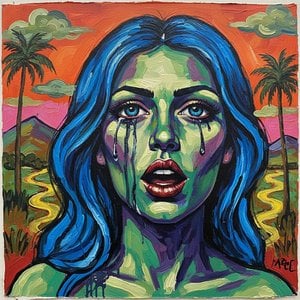
Embark on a journey through the vibrant world of Fauvism. Discover how masters like Henri Matisse revolutionized art through bold colors and raw emotion in this expert-led guide to one of modern art's most powerful movements.

Explore the profound evolution of Cubist still life, from Cézanne's structural foundations to the fragmented brilliance of Braque and Léger. Discover how geometric abstraction redefined reality through a sophisticated lens of form, color, and modern artistic mastery.

Explore the vibrant world of Fauvism with our expert guide. Discover how Matisse and Derain revolutionized art through bold colors and expressive strokes. Perfect for classic art enthusiasts seeking to deepen their passion for modern masterpieces.


最新の美術ニュース、限定オファー、そしてインテリアのアイデアをいち早くお届けします。
お客様のプロジェクトについてお聞かせください。当社の美術専門家が、お客様に合わせた3つのパーソナライズされた芸術提案をご提供いたします。
あなたにぴったりの3作品を無料で厳選いたします


 プレビュー
プレビュー
 プリントを購入
 シェアする
シェアする シェアする
シェアする
 詳細を見る
詳細を見る

 ダウンロード
 似ている作品
 X線調査
X線調査 スライドショー

 詳細を見る
詳細を見る









 ガラスオプションは、110cm未満のサイズでのみご利用いただけます。


