































作品のオリジナル比率に合わせた、当店の規定サイズからお選びください。

特定のフレームやスペースに合わせて、ご希望のサイズをご入力いただけます。選択されたサイズが元の画像の比率と異なる場合、アートワークをトリミングするか、手描きで要素を追加して絵画を拡張いたします。デジタルモックアップ を制作し、制作開始前にご確認(承認)をいただきます。
画面上のプレビューは、実際のトリミングや拡張を正確に反映しているものではありません。最終的な構図は、モックアップによってのみ正確にご確認いただけます。
カスタムサイズもご利用いただけますが、元の比率を維持するためには、あらかじめ用意されたリストからサイズを選択することをお勧めいたします。

Still Life (9)
複製画のサイズ
Henri Matisse’s “Still Life (9),” a vibrant tableau brimming with familiar objects—a vase, bowls, cups, apples, oranges, and bananas—is more than just a depiction of everyday items; it's an immersive experience in color and form. Painted around 1905, this artwork stands as a pivotal moment in Matisse’s artistic evolution, firmly establishing him as a leading figure within the Fauvist movement. Initially conceived during a period of intense experimentation, “Still Life (9)” showcases his revolutionary approach to representation – prioritizing emotional impact and visual pleasure over strict adherence to realism.
The painting's genesis lies in Matisse’s convalescence following an appendicitis attack. Confined to rest, he rediscovered the joy of painting through a gift from his mother: a set of art supplies. This unexpected encounter ignited a lifelong passion, transforming a period of enforced inactivity into a profound artistic awakening. The resulting work is imbued with a sense of liberation and optimism – a direct reflection of Matisse’s renewed perspective on life and art. Notice the deliberate arrangement of the objects; they aren't simply placed before him, but carefully orchestrated to create a dynamic visual rhythm.
“Still Life (9)” is a quintessential example of Fauvist painting – a movement characterized by its unrestrained use of color and simplified forms. Matisse, along with André Derain and Maurice de Vlaminck, sought to break free from the constraints of Impressionism’s subtle gradations and naturalistic depictions. Instead, they employed pure, unmixed colors applied in bold, arbitrary strokes – a technique designed to evoke emotion directly rather than mimic visual reality. The vibrant reds, yellows, blues, and greens in “Still Life (9)” are not intended to represent the actual hues of the objects but to convey their essence and create an intense sensory experience for the viewer.
The brushwork itself is remarkably loose and expressive, contributing significantly to the painting’s dynamism. Notice how Matisse uses short, broken strokes to define shapes and create a sense of movement within the composition. This deliberate disregard for traditional perspective and detail further emphasizes the painting's emotional impact, prioritizing feeling over precise representation.
While seemingly straightforward in its subject matter, “Still Life (9)” is rich with symbolic undertones. The abundance of fruit – apples, oranges, and bananas – traditionally represents fertility, prosperity, and the bounty of nature. However, Matisse’s treatment of these objects transcends mere representation; they are imbued with a sense of joyful exuberance. The carefully chosen arrangement suggests a celebration of life's simple pleasures, reflecting Matisse’s own optimistic worldview.
The vase, positioned prominently on the left side, acts as a focal point, drawing the eye into the heart of the composition. Its shape and color contribute to the overall sense of harmony and balance. The bowls and cups scattered throughout the scene add layers of visual interest, creating a complex interplay of shapes, colors, and textures. The painting’s emotional impact is profoundly uplifting – a testament to Matisse's ability to transform ordinary objects into extraordinary works of art.
“Still Life (9)” represents a crucial turning point in Henri Matisse’s career and the history of modern art. It exemplifies his pioneering use of color, his innovative approach to composition, and his unwavering commitment to expressing emotion through visual form. Reproductions of this iconic artwork offer a unique opportunity to experience the power and beauty of Fauvist painting – a vibrant reminder that art can be both intellectually stimulating and deeply emotionally resonant. Consider how the bold colors and simplified forms would enhance any interior space, bringing a touch of Matisse’s joyful spirit into your home.

1869 - 1954 , フランス

Explore the profound beauty of fruit arrangement masterpieces. From Dutch Golden Age opulence to Baroque chiaroscuro, discover the art history, symbolism, and timeless elegance of classical still life paintings for the discerning collector.
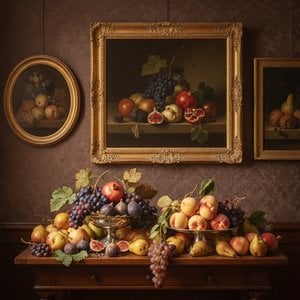
Discover the profound beauty of fruit still life paintings. Explore the rich symbolism, Baroque mastery, and timeless allure of nature's bounty through an art-historical lens, perfect for collectors and enthusiasts of classical fine art.

Embark on a sophisticated journey through art history with our exploration of still life masterpieces. Discover the profound symbolism behind classical paintings of drinks and fruit, curated for the true connoisseur seeking timeless elegance and academic depth.
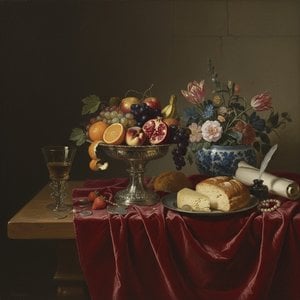
Embark on a sophisticated journey through the history of still life art. From Dutch Golden Age masterpieces to Baroque opulence, explore the profound symbolism and timeless beauty of the world's most exquisite table compositions.


 プレビュー
プレビュー
 プリントを購入
 シェアする
シェアする シェアする
シェアする
 詳細を見る
詳細を見る

 ダウンロード
 似ている作品
 X線調査
X線調査 スライドショー
 詳細を見る
詳細を見る









 ガラスオプションは、110cm未満のサイズでのみご利用いただけます。


