迅速な制作と多彩な仕上げオプションを備えた、ミュージアムクオリティのジークレーまたはキャンバスプリント。 ( 手描き画への切り替え 画像に切り替え)





























作品のオリジナル比率に合わせた、当店の規定サイズからお選びください。

特定のフレームやスペースに合わせて、ご自身でサイズを指定することも可能です。選択されたサイズが元の画像の比率と一致しない場合、作品をトリミングするか、鏡面反射または単色での塗りつぶしによって画像を拡張いたします。制作を開始する前に、ご確認用のデジタルモックアップをお送りいたします。
画面上のプレビューには、実際のトリミングや拡張は反映されませんのでご注意ください。最終的な構図を正確に確認できるのは、モックアップのみとなります。
カスタムサイズも承っておりますが、元の比率を維持するためには、あらかじめ用意されたリストからサイズを選択することをお勧めいたします。

untitled (2536)
複製画のサイズ
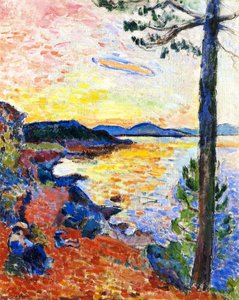
Henri Matisse's "Untitled (2536)" is not merely a portrait; it’s an invitation to step into a sun-drenched tableau of quiet elegance and understated joy. The painting, though lacking a definitive title, immediately draws the viewer in with its vibrant palette and the captivating presence of the central figure. Born in 1869 amidst the rolling fields of northern France, Matisse's artistic journey was anything but predetermined. A youthful illness redirected him from the path of law towards the intoxicating world of color and form – a shift that would ultimately define his legacy as one of the most influential artists of the 20th century. This particular work, likely created during his mature period (roughly 1917-1935), exemplifies his signature style: a masterful manipulation of color to evoke mood and atmosphere, rather than striving for photographic realism.
The scene unfolds on what appears to be a balcony or terrace, bathed in the warm glow of afternoon light. The woman, rendered with an almost sculptural quality, occupies the foreground, her posture relaxed yet dignified. Her attire—a striking green coat against a backdrop of softer hues—immediately commands attention, acting as a focal point within the composition. Notice how Matisse uses color not just to describe, but to *shape* – the vibrant green radiating outwards, suggesting warmth and vitality. The background is deliberately blurred, populated with indistinct figures enjoying an outdoor pastime, hinting at a shared moment of leisure. A simple bench adds to the sense of tranquility, inviting the viewer to imagine themselves joining this idyllic scene.
Matisse's work is deeply rooted in his belief that art should be joyful and liberating. “Untitled (2536)” embodies this philosophy through its celebration of the simple pleasures of life – a moment of respite, connection with nature, and shared companionship. The parasol, a symbol of protection from the sun, subtly suggests both elegance and vulnerability. The woman’s gaze is directed outwards, perhaps contemplating the beauty surrounding her or lost in thought, inviting the viewer to share in her quiet contemplation. Furthermore, Matisse was deeply influenced by Japanese prints (Japonisme), evident in the flattened perspective and emphasis on decorative patterns – a deliberate move away from traditional Western artistic conventions.
Executed with his signature *fauvist* technique—a term coined to describe his early use of intensely vibrant, non-naturalistic colors—the painting demonstrates Matisse’s mastery of color theory. He applied paint in broad, confident strokes, creating a sense of immediacy and energy. The surface is relatively smooth, reflecting the artist's preference for a luminous quality. “Untitled (2536)” stands as a testament to Matisse’s enduring influence on 20th-century art. It exemplifies his ability to distill complex emotions and experiences into simple, yet profoundly evocative forms. Reproductions of this piece offer a remarkable opportunity to bring the vibrancy and serenity of Matisse's vision into any space, transforming an ordinary room into a haven of artistic beauty.


1869 - 1954 , フランス
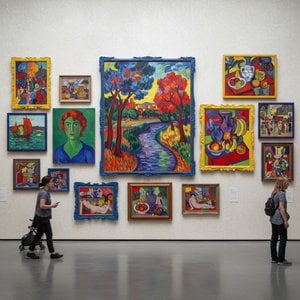
鮮烈な色彩が時代を席巻!フォーヴィズムを代表する10大名作を徹底解剖。マティスら巨匠の技と情熱に触れ、アートの新たな世界を発見。WahooArt.comで至高の美術館級レプリカと洗練されたインテリアアイデアを見つけよう。

Explore the life & work of Henry Raeburn, a master Scottish portraitist. Discover his innovative techniques, captivating portraits of the Enlightenment era, and lasting legacy in art history. Learn more at WahooArt.

Explore the revolutionary Fauvism movement & Henri Matisse's bold use of color! Discover key characteristics, iconic artworks, and its lasting impact on modern art history with WahooArt.

Explore the revolutionary world of Fauvism! Discover the bold colors & expressive power of Matisse, Derain & Vlaminck. Learn about this pivotal art movement's history and lasting impact on modern painting.

アンリ・マティスの傑作25選🎨 色彩と情熱が織りなす世界を旅する。フォーヴィスム代表の巨匠、マティスの絵画の魅力と歴史を紐解きます。WahooArtで高品質なアートプリントや複製画を見つけ、インテリアに芸術的な輝きを✨ Explore the full collection online


最新の美術ニュース、限定オファー、そしてインテリアのアイデアをいち早くお届けします。
お客様のプロジェクトについてお聞かせください。当社の美術専門家が、お客様に合わせた3つのパーソナライズされた芸術提案をご提供いたします。
あなたにぴったりの3作品を無料で厳選いたします


 プレビュー
プレビュー
 シェアする
シェアする シェアする
シェアする
 詳細を見る
詳細を見る

 ダウンロード
 似ている作品
 X線調査
X線調査 スライドショー
 詳細を見る
詳細を見る









 ガラスオプションは、110cm未満のサイズでのみご利用いただけます。