当社のアーティストが、お客様のご希望のサイズと額縁に合わせて、キャンバスに手描きで制作する油彩画です。 ( プリント版に切り替え デジタル画像販売へ切り替え)
作品のオリジナル比率に合わせた、当店の規定サイズからお選びください。

特定のフレームやスペースに合わせて、ご希望のサイズをご入力いただけます。選択されたサイズが元の画像の比率と異なる場合、アートワークをトリミングするか、手描きで要素を追加して絵画を拡張いたします。デジタルモックアップ を制作し、制作開始前にご確認(承認)をいただきます。
画面上のプレビューは、実際のトリミングや拡張を正確に反映しているものではありません。最終的な構図は、モックアップによってのみ正確にご確認いただけます。
カスタムサイズもご利用いただけますが、元の比率を維持するためには、あらかじめ用意されたリストからサイズを選択することをお勧めいたします。
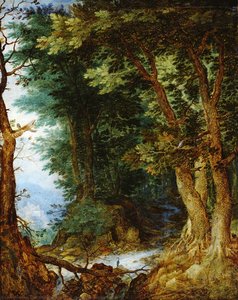
Forest Landscape
複製画サイズ一覧
エギュヌ・ルイユ・ブドアン作「Forest Landscape」の色調は、Balanced Softな彩度を持っています。彩度とは、色の鮮やかさや落ち着きの度合いを表すものです。
「Forest Landscape」はlandscape, rural scene, forest, sky, path, impressionism, tranquility, natureを描いていますが、エギュヌ・ルイユ・ブドアンのこれまでのテーマとして記録されているのはdutch masters (17th century), johan jongkind mentorship, plein air painting techniques, celebration of nature's beauty, capturing fleeting light effects, rural life and tranquility, early exploration of impressionismです。この二つを比較することで、本作が作家のいつもの主題とどのように関連しているかが明らかになります。
「Forest Landscape」は、1856年にエギュヌ・ルイユ・ブドアンによって制作されました。
「Forest Landscape」のプレビューページでは、ご注文前に作品をプレビューいただけます。
エギュヌ・ルイユ・ブドアン作「Forest Landscape」はLandscapeの構図です。プリントサイズを選択する前に、縦横比をご確認いただくことをお勧めします。
「Forest Landscape」は、エギュヌ・ルイユ・ブドアンの他の作品と同様に、Impressionism様式と、描き続けられてきたテーマであるdutch masters (17th century), johan jongkind mentorship, plein air painting techniques, celebration of nature's beauty, capturing fleeting light effects, rural life and tranquility, early exploration of impressionismを共有しています。
エギュヌ・ルイユ・ブドアン作「Forest Landscape」の主要な色調はOchre to Sepiaです。この色調は、パレットの基調となるトーンを形作っています。
「Forest Landscape」の中で最も際立っている色はPutty (#cfc1ac)です。作品の主色(メインカラー)を知ることは、インテリアとのコーディネートを考える際に役立ちます。


1824 - 1898 , フランス
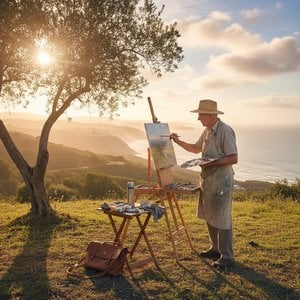
Explore the rich history of plein air painting, from its origins to Impressionism & beyond. Discover key artists, techniques, and the enduring legacy of capturing light in landscape art. Find museum-quality reproductions at WahooArt.
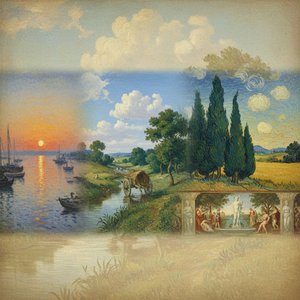
Explore the rich history of outdoor painting! Discover Impressionism, en plein air techniques & renowned landscape artists. Learn about light, color & enduring artistic legacies with WahooArt.

Explore the rich history of outdoor painting! From Romantic landscapes to Impressionism's revolution, discover key artists, techniques & the enduring legacy of capturing light and nature in art. Learn more at WahooArt.

Explore the history of plein air painting, from its origins with the Barbizon school to Impressionism's revolution & contemporary practice. Discover techniques, artists like Monet & Renoir, and find museum-quality reproductions at WahooArt.
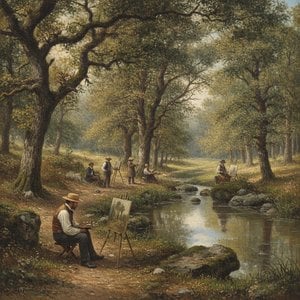
Explore the profound impact of the Barbizon School on landscape painting. Discover how masters like Rousseau and Corot revolutionized art through plein air naturalism, moving from academic idealism to the authentic beauty of the French countryside.

 設置イメージを確認
 送る
送る シェア
シェア
 詳細情報
詳細情報 ガイドを表示

 画像をダウンロード
 似ている作品
 X線調査
X線調査 スライドショー
 統計情報
統計情報

 続きを読む
続きを読む






































 ガラスオプションは、110cm未満のサイズでのみご利用いただけます。