




























アート相談を無料で

x
手描き複製画を注文する 手描き複製画を注文する画像を 購入する 画像を 購入する シェアするシェアする
詳細を見る詳細を見る お気に入りに追加 お気に入りに追加 ダウンロードダウンロード 似ている作品似ている作品 X線X線 スライドショースライドショー

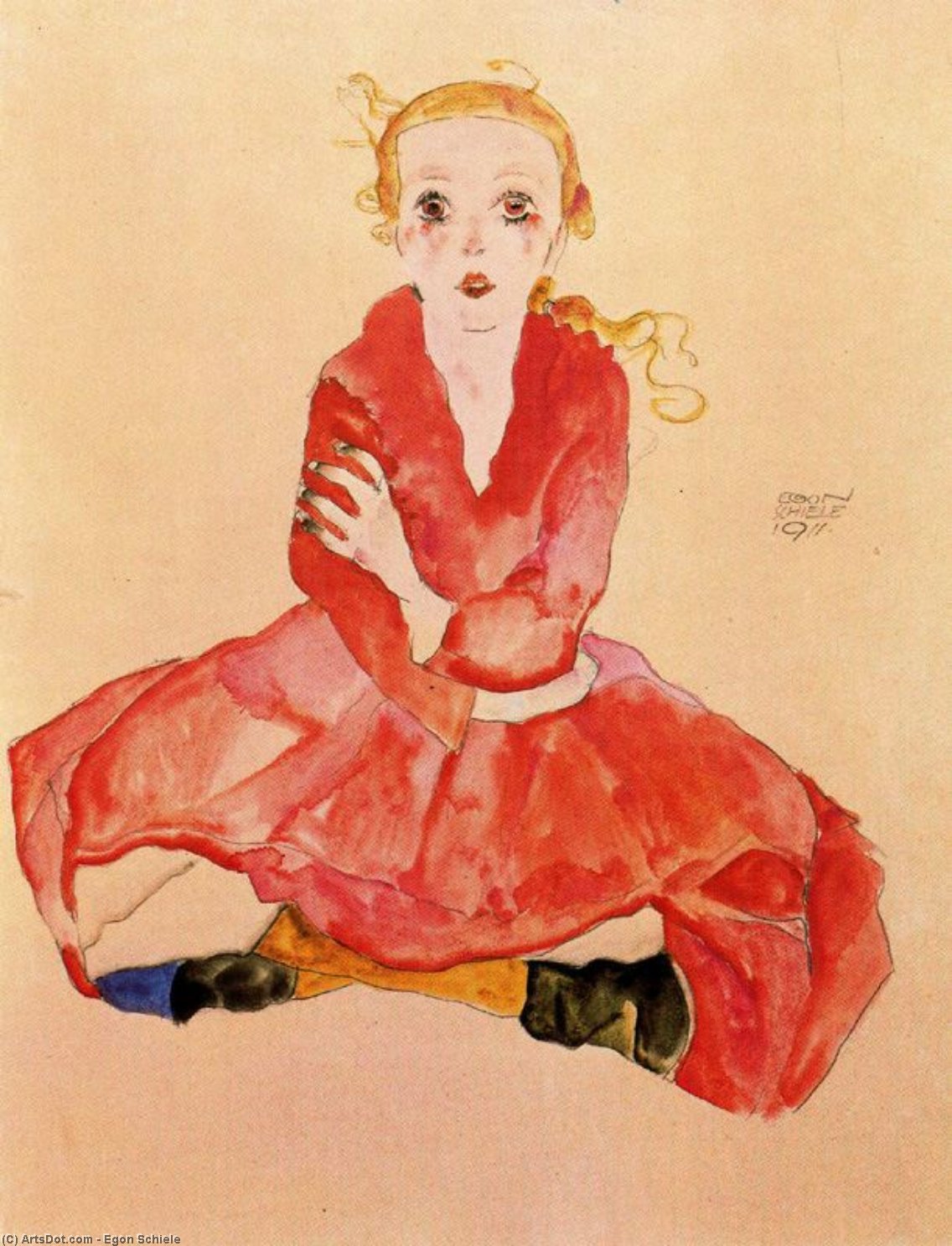
untitled (1872)

Delve into the haunting beauty of Egon Schiele’s ‘untitled (1872)’ – an Expressionist portrait capturing raw emotion and psychological depth. Explore a stunning reproduction now!

エゴン・シーレ(1890-1918):大胆な肖像画、心理的テーマ、そして独特の線が生み出す、感情に訴えかける表現主義の世界。死と生、人間の内面を深く掘り下げた傑作たちを発見してください!

ジークレー/アートプリント

迅速な制作と多彩な仕上げオプションを備えた、ミュージアムクオリティのジークレーまたはキャンバスプリント。

P118B $10
P118H $10
P118W $10
P438Z $10
P508JH $12
P508YH $12
P805H $10
P805Z $10
P919BZ $10
P919G $10
P919XJ $10
P959ZH $10
P968JZ $12
W106C $8
W218G $10
W218JH $8
W218Y $10
W307PJ $10
W316G $10
W316PJ $8
W316Y $10
W398PJ $8
W4111J $10
W500HY $15
W500JH $15
W692G $12
W849H $8
W940BG $15
W953PJ $8

Standard
custom
CM
INCH

作品のオリジナル比率に合わせた、当店の規定サイズからお選びください。

高さ

特定のフレームやスペースに合わせて、ご自身でサイズを指定することも可能です。選択されたサイズが元の画像の比率と一致しない場合、作品をトリミングするか、鏡面反射または単色での塗りつぶしによって画像を拡張いたします。制作を開始する前に、ご確認用のデジタルモックアップをお送りいたします。
画面上のプレビューには、実際のトリミングや拡張は反映されませんのでご注意ください。最終的な構図を正確に確認できるのは、モックアップのみとなります。
カスタムサイズも承っておりますが、元の比率を維持するためには、あらかじめ用意されたリストからサイズを選択することをお勧めいたします。

世界中への配送()は、標準の4〜5週間ではなく、2週間でお届けいたします。(8 7月)

why_choose_icon
世界中へ無料エクスプレス配送
why_choose_icon
高品質なリネンキャンバス
why_choose_icon
配送時完全保険付
why_choose_icon
関税・輸入税の払い戻し保証
why_choose_icon
忠実な色彩再現保証
why_choose_icon
60日間返品保証(製造上の欠陥のみ)
why_choose_icon
100% 全額返金保証
why_choose_icon
まとめ買い割引のご案内

合計金額

-

reproduction

untitled (1872)

ジークレー/アートプリント

複製画のサイズ

-

合計金額

-

作品詳細

  • Artist: Egon Schiele
  • Artistic style: Dramatic & emotional
  • Medium: Painting
  • Movement: Expressionism
  • Notable elements or techniques: Bold lines & vibrant hues

アート・クイズ

各質問の正解は1つだけです。

問題 1:
What artistic style is predominantly used in ‘untitled (1872)’?
問題 2:
The painting features a woman seated on the ground. What color dominates the visual effect of this artwork?
問題 3:
Egon Schiele’s artistic output was heavily influenced by his personal experiences, particularly concerning:
問題 4:
What is notable about Schiele’s depiction of the woman's posture?
問題 5:
Where can visitors experience Egon Schiele’s art firsthand?

作品詳細説明

A Portrait of Inner Turmoil: Examining Egon Schiele’s Untitled (1872)

Egon Schiele's "untitled (1872)" stands as a haunting testament to the anxieties and psychological complexities characteristic of Expressionism, capturing a moment frozen in time yet brimming with unspoken emotion. Painted during his formative years—a period profoundly shaped by personal tragedy and artistic experimentation—this enigmatic portrait transcends mere representation; it delves into the depths of human consciousness. The image depicts a woman seated on the ground, her legs crossed in a posture that conveys both vulnerability and defiance. Her gaze is averted, suggesting introspection rather than outward engagement, furthering the impression of profound inner contemplation.
  • Subject Matter: The figure embodies a solitary female form—a recurring motif in Schiele’s oeuvre—representing themes of isolation, femininity, and perhaps even repressed desire.
  • Style & Technique: Employing bold lines and flattened planes—hallmarks of Expressionist painting—Schiele eschews traditional illusionistic rendering to prioritize conveying emotional intensity. The artist utilizes a palette dominated by reds, creating a dramatic visual impact that amplifies the sense of unease and urgency.

Historical Context: The Shadow of Trauma

Schiele’s artistic output was inextricably linked to his own turbulent life experiences. Following the untimely death of his father due to syphilis—a devastating event that instilled in him a lifelong preoccupation with mortality—the artist wrestled with grief, illness, and existential questioning. This biographical context informs “untitled (1872),” imbuing it with an aura of melancholy and hinting at the pervasive influence of trauma on artistic creation. The painting emerged during a time when Expressionist artists sought to confront uncomfortable truths about human psychology and societal anxieties—a reaction against the optimism of preceding eras. Symbolism: The woman’s posture, combined with the muted color scheme, speaks volumes about psychological states. Crossed legs can symbolize defensiveness or vulnerability, while the averted gaze represents a retreat from external stimuli – an attempt to grapple with internal struggles. The red hue—often associated with passion and danger—further underscores the painting's emotional resonance.

Emotional Impact: A Window into Schiele’s Soul

“untitled (1872)” isn’t merely a depiction of a woman; it’s a conduit for accessing Schiele’s innermost feelings. The artist’s masterful use of line and color compels the viewer to confront uncomfortable emotions—fear, sorrow, and perhaps even longing—mirroring the artist's own internal landscape. It remains a powerfully evocative piece that continues to fascinate audiences today, prompting reflection on themes of identity, vulnerability, and the human condition. Its enduring appeal lies in its ability to capture the essence of psychological experience with unflinching honesty.
  • Interior Designer’s Note: Consider incorporating shades of red into complementary color palettes for a dramatic yet sophisticated aesthetic.
  • Collector's Perspective: This artwork exemplifies Schiele’s signature style—a bold exploration of emotion and form—making it an exceptional choice for discerning collectors seeking pieces that resonate with intellectual depth.

アーティストの略歴

Egon Schiele: Austrian Expressionist Painter

Egon Schiele’s artistic journey began in Tulln an der Donau, Austria, amidst a backdrop of familial hardship—the premature death of his father from syphilis and the subsequent loss of his sister Elvira—experiences that profoundly shaped his worldview and fueled his relentless pursuit of expressive truth. Born in 1890, Schiele’s childhood was marked by illness and instability, yet he cultivated an unwavering independence and a fascination with trains—a motif that would subtly permeate his later canvases—demonstrating an innate talent for drawing from a young age. Recognizing this potential, his uncle Leopold Czihaczek championed his artistic aspirations, guiding him toward the Akademie der bildenden Künste in Vienna where he encountered Gustav Klimt, whose influence solidified Schiele’s stylistic trajectory. Despite facing considerable resistance from Viennese academic circles—particularly Professor Griepenkerl—Schiele persevered, establishing the Neues Wiener Kunstgruppe alongside fellow artists who challenged prevailing artistic conventions. His early works—often unsettling portraits and self-portraits—captured the anxieties and vulnerabilities of the human psyche with startling honesty, utilizing elongated figures and expressive lines to convey psychological tension. Schiele’s exploration of sexuality was particularly provocative for its time, reflecting the broader cultural shifts occurring in Vienna during the Fin de siècle era. His artistic development gained momentum through mentorship from Klimt and engagement with the Viennese Secession—a movement that championed avant-garde experimentation and rejected bourgeois morality—resulting in iconic paintings like *The Kiss* and *Death and the Maiden*. Schiele’s distinctive style—characterized by distorted forms, raw emotion, and a preoccupation with mortality—established him as one of Austria's foremost Expressionist painters. He continued to refine his technique throughout his brief career, producing masterpieces that resonate powerfully with audiences today. Schiele’s legacy extends beyond his artistic achievements; he embodies the spirit of rebellion against societal norms and unwavering commitment to artistic integrity. His paintings remain influential in contemporary art, inspiring artists to confront difficult themes and explore psychological depths—a testament to Schiele's enduring impact on the visual arts. He died tragically young during the Spanish flu pandemic in 1918, leaving behind a remarkable body of work that secures his place as one of Austria’s most celebrated artistic figures.
  • Key Themes: Mortality, sexuality, isolation, psychological turmoil.
  • Influences: Gustav Klimt, Viennese Secession, personal trauma.
  • Style Characteristics: Elongated figures, contorted poses, expressive lines, raw emotion.
  • Notable Works: *Self-Portrait with Physalis*, *Couple Embracing*, *Field Landscape (Kreuzberg) near Krumau*
  • Achievements: Schiele’s uncompromising artistic vision and masterful technique garnered international acclaim, securing his place as a pivotal figure in Austrian Expressionism.
  • Historical Significance: His work challenged Viennese bourgeois sensibilities and paved the way for subsequent generations of artists to explore psychological themes with boldness and vulnerability.
エゴン・シエレ

エゴン・シエレ

1890 - 1918 , オーストリア

基本情報

  • Artistic Movement Or Style: 表現主義
  • Artists Who Influenced This Artist: ['グスタフ・クリムト']
  • Date Of Birth: 1890年6月12日
  • Date Of Death: 1918年10月31日
  • Full Name: Egon Leo Adolf Ludwig Schiele
  • Nationality: オーストリア
  • Notable Artworks:
    • フィザリスと自画像
    • 抱擁する男女
    • クロウズベルクの風景
  • Place Of Birth: オーストリア・トゥルン
テーマ、スタイル、特徴別に分類された作品を探索しましょう。