































作品のオリジナル比率に合わせた、当店の規定サイズからお選びください。

特定のフレームやスペースに合わせて、ご希望のサイズをご入力いただけます。選択されたサイズが元の画像の比率と異なる場合、アートワークをトリミングするか、手描きで要素を追加して絵画を拡張いたします。デジタルモックアップ を制作し、制作開始前にご確認(承認)をいただきます。
画面上のプレビューは、実際のトリミングや拡張を正確に反映しているものではありません。最終的な構図は、モックアップによってのみ正確にご確認いただけます。
カスタムサイズもご利用いただけますが、元の比率を維持するためには、あらかじめ用意されたリストからサイズを選択することをお勧めいたします。

Seated Woman with Child
複製画のサイズ
Amedeo Modigliani's "Seated Woman with Child," painted in 1919, isn’t merely a depiction of motherhood; it’s a profound meditation on longing, vulnerability, and the quiet dignity of domestic life. This intimate portrait, rendered in oil on canvas, captures a moment suspended in time – a woman cradling her child within the muted embrace of a simple red background. The painting immediately draws the viewer into its world, offering a glimpse of a private scene imbued with an undeniable sense of melancholy, a hallmark of Modigliani’s artistic vision.
The woman herself is presented with a striking simplicity. Her posture is relaxed yet alert, her gaze directed slightly downward, suggesting introspection rather than outward engagement. The green coat, subtly checkered, hints at a modest lifestyle, while the scarf around her neck adds a layer of understated elegance. Her elongated features – a signature element of Modigliani’s style – contribute to an air of timelessness and quiet sorrow. The child, swathed in white, embodies innocence and vulnerability, their small hands resting gently on the woman's lap. It is this juxtaposition—the mature figure and the youthful one—that fuels the painting’s emotional resonance.
Modigliani’s artistic language during this period was deeply influenced by his personal experiences – a life marked by illness, loss, and unrequited love. His style is characterized by elongated forms, particularly in the faces and necks of his subjects, creating an effect of both elegance and distortion. This deliberate exaggeration isn't merely stylistic; it’s believed to reflect Modigliani’s own perception of beauty – a heightened awareness of fragility and the fleeting nature of existence. The use of muted tones—primarily greens, reds, and browns—further enhances this sense of introspection and subdued emotion.
Technically, the painting demonstrates a masterful control of brushwork. Notice how Modigliani employs short, broken strokes to build up form and texture, particularly in the woman’s coat and scarf. The red background isn't simply a backdrop; it’s strategically employed to create depth and contrast, drawing attention to the figures within and lending a sense of drama to the scene. The subtle gradations of color – from the deep reds to the softer greens – contribute to the painting’s overall atmospheric quality.
“Seated Woman with Child” was created during a pivotal period in Modigliani’s career. He had recently moved to Paris, immersing himself in the vibrant artistic community of Montparnasse. This era saw him engaging with fellow artists like Pablo Picasso and Constantin Brâncuși, absorbing influences from Cubism and other avant-garde movements while simultaneously forging his own distinctive style. His personal life was equally turbulent; he struggled with poverty, illness, and a passionate but ultimately tragic love affair with Jeanne Hébert.
The painting’s emotional depth is inextricably linked to this context. It's often interpreted as reflecting Modigliani’s own feelings of isolation and longing – a yearning for connection and stability amidst the chaos of his life. The image resonates with the broader themes of domesticity, motherhood, and the quiet beauty found in everyday moments, yet it carries an undercurrent of sadness that speaks to the artist's personal struggles.
Beyond its technical brilliance, “Seated Woman with Child” is rich in symbolism. The red background, often associated with passion and sacrifice, could represent the emotional cost of motherhood or the challenges faced by a woman navigating difficult circumstances. The child’s innocence serves as a poignant counterpoint to the woman's melancholy, highlighting the enduring hope for the future despite present hardships. The elongated forms, characteristic of Modigliani’s style, can be seen as metaphors for the human desire for transcendence – a yearning to escape the limitations of earthly existence.
Ultimately, “Seated Woman with Child” is a deeply moving work that invites contemplation and emotional engagement. It's a testament to Modigliani’s ability to capture not just the outward appearance of his subjects but also their inner lives – their hopes, fears, and vulnerabilities. A hand-painted reproduction offers an unparalleled opportunity to experience this masterpiece in its full glory, bringing its poignant beauty into your home.

アメデオ・モディリアーニ。その名は、憂いを帯びた美しさと、魂を揺さぶるような静謐さを想起させる。1884年、イタリアのリヴォルノに生まれ、わずか35年の短い生涯で、20世紀美術史に消えることのない足跡を残した画家であり彫刻家である。彼の作品は、単なる肖像画や裸婦像ではなく、人間の内面を深く掘り下げ、普遍的な感情と精神性を表現しようとした試みの結晶と言えるだろう。
モディリアーニの幼少期は、裕福な家庭で始まったものの、父親の事業の失敗により貧困に転落する。病との闘いも長く、結核や肺炎を患い、その体には常に影が付きまとった。しかし、そのような境遇の中でこそ、彼は内面世界を深く探求し、芸術への情熱を燃やしていった。リヴォルノの美術学校で基礎を学んだ後、1906年、新たな創造の地を求めパリへと旅立つ。そこで出会ったのは、ピカソやブランキュシーといった時代の最先端を走る芸術家たちとの交流であり、彼らの影響を受けつつも、独自の表現を模索していくことになる。
当初、モディリアーニはキュビスムの影響を受けていたが、その幾何学的な硬直性には馴染めず、自身の内なる感情を自由に表現できるスタイルを求めていた。彼は、アフリカ彫刻の持つ原始的な力強さや、ルネサンス期のイタリア美術における古典美に魅了され、それらを融合させることで、独自の芸術様式を確立していく。彼の肖像画は、その典型である。長く細い首、大きく丸みを帯びた顔、そして瞳のない眼窩…それは、現実の人物を単純化し、内面的な精神性を強調した表現と言えるだろう。モデルの個性や感情を捉えながらも、普遍的な美しさを追求するモディリアーニの手腕は、見る者の心を深く揺さぶる。
また、モディリアーニの裸婦像は、単なる肉体の描写にとどまらず、人間の存在そのものを象徴している。静かで瞑想的な表情、優雅なポーズ…それは、生と死、喜びと悲しみといった、人間の根源的な感情を表現しようとした試みである。彼の作品には、常に憂いが漂っているが、それは決して絶望ではなく、むしろ人生の儚さや美しさを深く理解した上で見出すことのできる、静謐な肯定感と言えるだろう。
モディリアーニは画家であるだけでなく、彫刻家としても才能を発揮した。彼の彫刻作品は、アフリカ美術やブランキュシーの影響を受け、簡潔で抽象的なフォルムが特徴的である。しかし、その初期の彫刻作品は、当時の美術界からは必ずしも高く評価されず、批判も少なくなかった。それでも彼は、自身の芸術信条を曲げることなく、絵画と彫刻の両分野で独自の表現を追求し続けた。
生前、モディリアーニは経済的な苦難に直面し、その才能が十分に認められることはなかった。しかし、彼の死後、作品の価値が見直され、今日では世界中の美術館に収蔵されるほどの名声を得ている。彼の作品は、時代を超えて多くの人々に感動を与え続けており、20世紀美術における重要な遺産として、高く評価されている。
モディリアーニの作品は、その独特なスタイルと表現力によって、後世の多くの芸術家に影響を与えた。彼の肖像画に見られる、長く細い首や瞳のない眼窩といった特徴的な要素は、様々なアーティストに模倣され、独自の表現へと昇華されていった。また、彼の彫刻作品は、抽象彫刻の発展に貢献し、現代美術における重要な先駆けとなった。
モディリアーニの芸術的遺産は、単なる絵画や彫刻作品にとどまらず、人間の内面を深く探求する姿勢、そして普遍的な美を追求する精神という点においても、私たちに多くの示唆を与えてくれる。彼の作品を通して、私たちは人生の儚さや美しさを再認識し、自身の内面世界と向き合うことができるだろう。

1884 - 1920 , イタリア
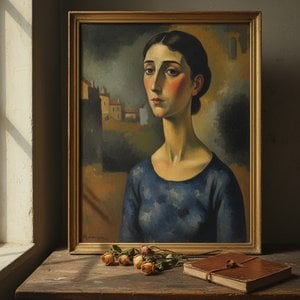
Delve into the haunting beauty of Amedeo Modigliani's portraits. Explore the intersection of Expressionism and Modernism through an expert analysis of his iconic elongated forms, melancholic gazes, and profound influence on art history.

Discover the profound beauty of Modigliani-style art. Explore the elegance of elongated forms and soulful portraits through our expert curation of hand-painted oil reproductions and museum-quality prints designed for the sophisticated collector.

Explore the profound beauty of the Italian Renaissance. From Raphael's divine frescoes to Michelangelo's anatomical mastery, discover how this era of classical grandeur and humanistic ideals continues to inspire the world's most sophisticated art collectors and designers.

Embark on a visual journey through Italy's most iconic landscapes and Renaissance masterpieces. Discover the profound beauty of classical art, from Venetian altarpieces to serene countryside vistas, curated for the discerning art enthusiast and collector.


 プレビュー
プレビュー
 プリントを購入
 シェアする
シェアする シェアする
シェアする
 詳細を見る
詳細を見る

 ダウンロード
 似ている作品
 X線調査
X線調査 スライドショー
 詳細を見る
詳細を見る









 ガラスオプションは、110cm未満のサイズでのみご利用いただけます。


