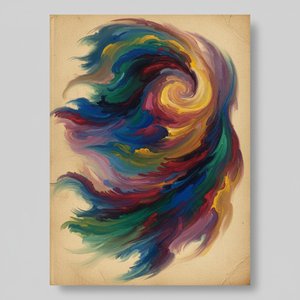
Antoni Clavé: Un pioniere dell'astrattismo lirico
Antoni Clavé (1913-2005) si staglia come una figura singolare nella storia dell'arte catalana, riconosciuto per il suo viaggio trasformativo dalle ornate origini barocche alla radicale esplorazione della pura astrazione. Nato a Barcellona, la traiettoria artistica di Clavé ha rispecchiato i più ampi mutamenti del modernismo europeo: una fascinazione per le linee audaci, la stratificazione materica e il potere evocativo del collage che gli hanno assicurato un posto tra le luminari dell'arte del XX secolo. La sua opera non era meramente esteticamente piacevole; era intrisa di un profondo impegno con le correnti politiche e sociali, segnata in particolare dalla sua partecipazione alla guerra civile spagnola e dal successivo esilio in Francia.- Prime influenze e formazione: Gli anni formativi di Clavé si sono svolti presso l'Escola Superior d’Arts Aplicades di Barcellona, dove ha affinato le sue doti sotto la guida di Ángel Ferrant e Félix Mestres, artisti profondamente radicati nella tradizione catalana ma aperti alle nascenti idee d'avanguardia. Questi mentori gli hanno trasmesso una comprensione fondamentale dell'ornamentazione barocca insieme a un apprezzamento per le tecniche impressioniste, plasmando le sue prime sensibilità artistiche.
- Il movimento Dada e il risveglio parigino: L'arrivo di Clavé a Parigi nel 1939 ha segnato l'inizio della sua carriera artistica internazionale. Attratto immediatamente dalla vibrante energia del movimento Dada — caratterizzato dal rifiuto delle convenzioni e dall'abbraccio del caso — incontrò figure influenti come Max Ernst, stabilendo connessioni che si sarebbero rivelate cruciali per la sua evoluzione stilistica.
- La collaborazione con Picasso e l'esplorazione figurativa: Un incontro fortuito con Pablo Picasso nel 1944 ha acceso un dialogo collaborativo che ha influenzato profondamente la visione artistica di Clavé. Le tele monumentali di Picasso sono servite da ispirazione per le composizioni figurative di Clavé, popolate da personaggi archetipici — re, arlecchini, bambini — e cariche di risonanza simbolica.
Evoluzione stilistica: dall'ornamento barocco all'espressione minimale
- Radici barocche e stile iniziale: Le prime opere di Clavé esibivano un'estetica barocca caratteristica, definita da un'elaborata ornamentazione, palette cromatiche ricche e dettagli meticolosi. Questi pezzi riflettevano le sensibilità artistiche del suo tempo, privilegiando la grandiosità decorativa e la ricchezza visiva.
- L'influenza dei grandi maestri: Egli assorbì un'influenza considerevole da artisti come Georges Braque e Henri Matisse, le cui esplorazioni dell'astrazione geometrica hanno spianato la strada alle innovazioni stilistiche di Clavé.
- L'abbraccio del minimalismo e la tecnica del collage: Verso la metà degli anni '40, Clavé abbandonò decisamente l'eccesso barocco a favore di un'estetica minimalista — una deliberata semplificazione della forma e del colore che privilegiava linee espressive e superfici materiche. Fondamentalmente, integrò le tecniche del collage — incorporando frammenti di materiale stampato e altri oggetti trovati — nelle sue tele, creando composizioni stratificate che sfidavano le nozioni convenzionali di rappresentazione.
Scenografia teatrale e contributi al cinema
- Arte scenica e balletto: La versatilità artistica di Clavé si estese oltre la pittura, entrando nel regno della progettazione teatrale. Collaborò ampiamente con la compagnia di balletti di Roland Petit, Les Ballets des Champs Elysées, curando scenografie e costumi per produzioni come “Los Capriccios”, “Carmen” e “A Comic Ballet Called Deuil en 24 heures”, dimostrando la sua maestria nel racconto visivo.
- Riconoscimento cinematografico: Clavé ottenne il plauso internazionale come scenografo cinematografico, guadagnandosi due nomination all'Academy Award per il suo lavoro in “Hans Christian Andersen” (1952). La sua meticolosa attenzione al dettaglio e la sua visione immaginativa elevarono l'esperienza cinematografica, consolidando la sua reputazione di artista visionario.
Eredità e significato artistico
- Una voce del modernismo catalano: Antoni Clavé rimane un emblema del modernismo catalano — una testimonianza di innovazione artistica e di un incrollabile impegno nell'esplorare i confini dell'espressione visiva. Il suo uso pionieristico del collage e dell'astrazione continua a ispirare gli artisti di oggi.
- Un'influenza duratura: L'opera di Clavé trascende le tendenze stilistiche, incarnando un profondo coinvolgimento con l'esperienza umana e trasmettendo profondità emotiva attraverso forme ingannevolmente semplici. È ricordato non solo come un artista, ma come un'icona culturale — un simbolo della creatività e del coraggio artistico catalano.
Domande e risposte
Quali sono il luogo e l'anno di nascita di Antoni Clavé?
Antoni Clavé è nato a Barcellona nel 1913.
Di dove è Antoni Clavé?
Antoni Clavé è nato/a in Spagna.
In quale periodo storico ha operato Antoni Clavé?
Antoni Clavé ha operato nel periodo Età Moderna. Tale epoca colloca storicamente l'attività dell'artista.
Dove posso trovare statistiche relative alle opere di Antoni Clavé?
La pagina Statistiche di Antoni Clavé presenta statistiche calcolate a partire dalle opere dell'artista elencate su questo sito.
In quale città e in quale paese è nato/a Antoni Clavé?
Antoni Clavé è nato a Barcellona, in Spagna.
Quante opere di Antoni Clavé sono disponibili per la consultazione?
Puoi sfogliare 5 opere d'arte opere di Antoni Clavé nella pagina Tutte le opere d'arte.
Posso sfogliare le opere di Antoni Clavé in base all'umore?
La pagina Stanze d'atmosfera dell'artista mostra le opere di Antoni Clavé suddivise per atmosfera.