CONSULENZA D'ARTE GRATUITA

x
Ordina la riproduzione Ordina la riproduzioneAcquista download Acquista download InviaInvia
Dettagli operaDettagli opera Aggiungi ai preferiti Aggiungi ai preferiti ScaricaScarica SimiliSimili RadiografiaRadiografia SlideshowSlideshow

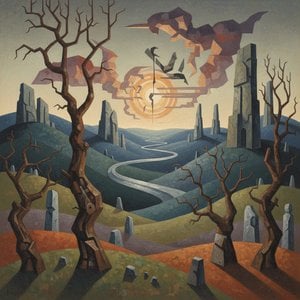
The Diving Stage

Paul Nash's 'The Diving Stage' (1928) is a haunting modernist landscape—a stark, solitary diving platform against an ambiguous backdrop evoking isolation and anticipation. Explore its symbolic depth.

Scopri Paul Nash (1889-1946), figura chiave del Modernismo e Surrealismo britannico! Paesaggi evocativi e potenti opere d'arte sulla guerra, un artista unico da WahooArt.

Giclée / Stampa d'arte

Stampa giclée o su tela di qualità museale, con produzione rapida e diverse opzioni di finitura.

P118B $10
P118H $10
P118W $10
P438Z $10
P508JH $12
P508YH $12
P805H $10
P805Z $10
P919BZ $10
P919G $10
P919XJ $10
P959ZH $10
P968JZ $12
W106C $8
W218G $10
W218JH $8
W218Y $10
W307PJ $10
W316G $10
W316PJ $8
W316Y $10
W398PJ $8
W4111J $10
W500HY $15
W500JH $15
W692G $12
W849H $8
W940BG $15
W953PJ $8

Standard
custom
CM
INCH

Scegli tra le nostre dimensioni predefinite, che rispettano le proporzioni originali dell'opera d'arte.

larghezza
altezza

È possibile inserire dimensioni personalizzate per adattare l'opera a una cornice o a uno spazio specifico. Se la dimensione selezionata non corrisponde alle proporzioni dell'immagine originale, procederemo al ritaglio dell'opera o all'estensione dell'immagine con un bordo specchiato o a tinta unita. Un mockup digitale ti verrà inviato per approvazione prima dell'inizio della produzione.
Si prega di notare che l'anteprima a schermo non riflette il ritaglio o l'estensione effettivi. Solo il mockup mostrerà accuratamente la composizione finale.
Sebbene siano disponibili dimensioni personalizzate, si raccomanda di selezionare una dimensione dall'elenco predefinito per preservare le proporzioni originali.

Consegna in tutto il mondo () in 2 settimane invece delle normali 4/5 settimane. (7 Luglio)

why_choose_icon
Spedizione espressa gratuita in tutto il mondo
why_choose_icon
Tela in lino di alta qualità
why_choose_icon
Assicurazione completa sulla spedizione
why_choose_icon
Garanzia di rimborso dei dazi doganali
why_choose_icon
Garanzia di fedeltà cromatica
why_choose_icon
Politica di reso entro 60 giorni (solo per difetti)
why_choose_icon
Garanzia di rimborso al 100%
why_choose_icon
Sconto per acquisti multipli

Prezzo totale

-

reproduction

The Diving Stage

Giclée / Stampa d'arte

Dimensioni riproduzione

-

Prezzo totale finale

-

Informazioni rapide

  • Notable elements: Geometric forms, starkness
  • Year: 1928
  • Artist: Paul Nash
  • Location: British Council Collection
  • Artistic style: Surrealist, Expressionist
  • Movement: Modernism
  • Influences:
    • Blake
    • Turner

Quiz d'arte

Per ogni domanda è presente una sola risposta corretta.

Domanda 1:
What is the primary artistic style evident in Paul Nash’s ‘The Diving Stage’?
Domanda 2:
According to the image description, what is a prominent feature of the landscape surrounding the diving stage?
Domanda 3:
In what year was ‘The Diving Stage’ created?
Domanda 4:
What does the geometric structure of the diving stage primarily represent, according to the description?
Domanda 5:
The description suggests that ‘The Diving Stage’ evokes which of the following emotions?

Descrizione dell'opera

The Haunting Stillness of “The Diving Stage”

Paul Nash’s “The Diving Stage,” painted in 1928, isn't merely a depiction of a seaside structure; it’s a meticulously crafted tableau of isolation, anticipation, and the unsettling beauty of suspended time. Emerging from the British Council Collection, this work transcends its subject matter to become a profound meditation on human presence within a vast, indifferent landscape. The painting immediately commands attention with its monochromatic palette – a symphony of greys, whites, and muted blues that evokes both the cold expanse of the sea and the melancholic atmosphere of a forgotten place. This restrained color scheme isn’t limiting, however; it amplifies the subtle textures and layering techniques employed by Nash, creating an illusion of depth and surface detail that draws the viewer into the scene. The composition is dominated by the stark verticality of the diving platform, a geometric intrusion upon the blurred, amorphous background – a visual metaphor for humanity's attempt to impose order on the chaotic nature of existence.

A Surrealist Echo in Modernism

Nash’s artistic lineage is complex and fascinating, drawing heavily from both the traditions of British landscape painting and the burgeoning currents of Surrealism. Influenced by the Romantic landscapes of J.M.W. Turner and the visionary poetry of William Blake, Nash sought to capture not just the outward appearance of a place but also its underlying emotional resonance. This is particularly evident in his early works depicting ancient hill forts and burial mounds – sites imbued with layers of history and myth. “The Diving Stage,” however, moves beyond simple representation, embracing a distinctly modernist sensibility. The flattened perspective, simplified forms, and deliberate ambiguity align it with the principles of Surrealism, while simultaneously retaining a grounding in the formal concerns of Modernist painting. Nash’s use of strong, angular lines to define the diving platform contrasts sharply with the softer, more diffused lines that suggest the distant landscape, creating a dynamic tension between structure and atmosphere. The absence of any human figures further reinforces this sense of detachment and isolation.

Technique and Materiality: A Layered Masterpiece

The painting’s power lies not only in its conceptual depth but also in the skillful execution of its technique. Nash masterfully employed layering washes and dry brushstrokes to build up subtle tonal variations and textures, giving the surface a remarkable richness and complexity. The rough wood of the diving deck is suggested through carefully applied strokes, while the smooth surface of the water receives a delicate glazing that captures its reflective qualities. The choice of watercolor or gouache – materials known for their transparency and ability to create nuanced color effects – contributes significantly to the painting’s ethereal quality. Close examination reveals a meticulous attention to detail, from the subtle shifts in tone on the platform's surface to the atmospheric perspective used to render the distant landscape. This combination of technical skill and artistic sensitivity elevates “The Diving Stage” beyond a simple depiction of a seaside scene; it becomes a testament to Nash’s mastery of his chosen medium.

Symbolism and Emotional Resonance

“The Diving Stage” is rich in symbolic meaning, inviting multiple interpretations. The diving platform itself can be seen as a metaphor for human ambition – our desire to conquer the unknown, to reach beyond the limitations of our earthly existence. Yet, the stage remains unfinished, abandoned, suggesting a sense of thwarted potential or perhaps even a recognition of the futility of such endeavors. The solitary figure on the edge of the platform embodies vulnerability and anticipation, poised on the brink of an uncertain future. The muted color palette and desolate landscape contribute to a pervasive feeling of isolation and melancholy, while the geometric precision of the structure hints at a longing for order in a world that often feels chaotic and unpredictable. Ultimately, “The Diving Stage” is not simply a painting; it’s a poignant exploration of the human condition – our aspirations, our anxieties, and our relationship to the vastness of the natural world. It leaves the viewer with a lingering sense of quiet contemplation, prompting reflection on themes of solitude, uncertainty, and the enduring power of art to capture the complexities of the human experience.

Opere simili


Biografia dell'artista

Primi Anni e Influenze

  • Nato: Kensington, Regno Unito (1889)
  • Morto: 1946
  • Paul Nash nacque l'11 maggio 1889 a Londra. Suo padre, William Harry Nash, era un avvocato e sua madre, Caroline Maude, mostrava segni di malattia mentale fin dalla giovane età. La famiglia si trasferì a Iver Heath, Buckinghamshire, quando Paul era ancora bambino, una mossa intesa a beneficio della salute di sua madre.
  • Formazione: Frequentò la Parsons School of Art e successivamente la Slade School of Fine Art. Sebbene fosse abile nella pittura paesaggistica, faticava con il disegno di figure.
  • Prime Influenze: Nash fu pesantemente influenzato da William Blake e J.M.W. Turner, come si evince dai suoi primi lavori. Trasse anche ispirazione da paesaggi che presentavano elementi storici antichi come tumuli funerari e fortezze collinari dell'età del bronzo.

Stile Artistico e Sviluppo

  • Stile: Lo stile di Paul Nash fondeva il modernismo con tecniche tradizionali. Utilizzava colori audaci, forme geometriche e forme astratte, distinguendosi dai suoi contemporanei.
  • Influenze Surrealiste: Sebbene non fosse strettamente un surrealista, Nash fu influenzato dal movimento, in particolare dopo aver visto una mostra di Giorgio de Chirico nel 1928. Il suo lavoro incorporava paesaggi simbolici con oggetti quotidiani.
  • Arte Bellica: Durante la prima e la seconda guerra mondiale, Nash servì come artista bellico ufficiale. Le sue rappresentazioni dei campi di battaglia erano notevoli per la loro bellezza inquietante ed esploravano l'impatto del conflitto sul paesaggio. Opere degne di nota includono "The Menin Road".
  • "Creature Aeree": Una serie prodotta durante la seconda guerra mondiale che presentava raffigurazioni antropomorfe di aeroplani schiantati in paesaggi, dimostrando il suo stile e simbolismo in evoluzione.

Realizzazioni Importanti e Riconoscimenti

  • Pioniere del Modernismo Britannico: Nash ha svolto un ruolo cruciale nel plasmare l'arte moderna britannica, colmando il divario tra la pittura paesaggistica tradizionale e l'estetica modernista.
  • Eredità dell'Arte Bellica: I suoi dipinti di guerra sono considerati rappresentazioni iconiche dell'impatto del conflitto sia sui soldati che sull'ambiente.
  • Gruppo Unit One: Co-fondò Unit One nel 1933 insieme a Ben Nicholson e Barbara Hepworth, un gruppo significativo nella scena artistica britannica.
  • Scrittore e Designer: Oltre alla pittura, Nash era anche uno scrittore rispettato sull'arte e progettava arti applicate come scenografie teatrali, tessuti e poster.

Influenze e Eredità

  • Influenza su Artisti Successivi: Lo stile unico di Nash e il suo uso del colore hanno influenzato generazioni di artisti che lo hanno seguito.
  • Connessione con il Romanticismo: Il suo lavoro è spesso collegato alla tradizione romantica inglese, in particolare attraverso la sua connessione con William Blake e J.M.W. Turner.
  • Esplorazione dell'Uomo contro la Natura: Un tema ricorrente nei lavori successivi di Nash era il rapporto tra l'umanità e la natura, esplorato attraverso immagini simboliche.
  • Rilevanza Continua: I suoi dipinti continuano a essere celebrati per la loro bellezza, il loro simbolismo e la loro importanza storica, rimanendo rilevanti per il pubblico contemporaneo.

Mostre ed Esposizioni

  • Ruskin Gallery: Le opere di Nash sono state esposte alla Ruskin Gallery nel Regno Unito.
  • Tate Britain: I suoi pezzi possono essere trovati nella collezione della Tate Britain.
  • Imperial War Museum: Diversi dei suoi dipinti d'arte bellica sono ospitati nell'Imperial War Museum.
  • York Art Gallery: Il suo lavoro fa anche parte della collezione di York Art Gallery.
  • Government Art Collection: Una selezione delle opere d'arte di Nash è esposta nella Government Art Collection.
Paul Nash

Paul Nash

1889 - 1946 , Regno Unito

Dati rapidi

  • Artistic Movement Or Style: Modernismo, Surrealismo
  • Artists Or Movements Influenced By This Artist: ['Artisti moderni']
  • Artists Who Influenced This Artist:
    • William Blake
    • J.M.W. Turner
  • Date Of Birth: 11 maggio 1889
  • Date Of Death: 11 luglio 1946
  • Full Name: Paul Nash
  • Nationality: Britannico
  • Notable Artworks: ['The Menin Road']
  • Place Of Birth: Kensington, Regno Unito
Esplora opere d'arte organizzate per temi, stili e caratteristiche.