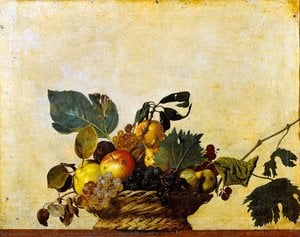
Egy Élet az Árnyék és a Fény között
Michelangelo Merisi da Caravaggio, akinek neve összefonódott a barokk festészet drámai intenzitásával, 1571-ben született Milánóban, egy olyan korszakban, amely tele volt művészi virágzással és társadalmi felfordulásokkal. Korai évei veszteséggel voltak terheltek; a pestis elpusztította szülővárosát, hatéves korában elvesztve apját és nagypapáját. Viszonylagos szegénységben nevelkedett, Michelangelo fiatal éveiben mély tudatosság alakult ki az emberi szenvedéssel és ellenállóképességgel kapcsolatban – témák, amelyek később vásznait uralták. Művészi képzését Milánóban kezdte Simone Peterzano alatt, Titian egykori tanítványánál, elsajátítva a reneszánsztudás alapjait, de már ekkor is látszott egy lázadó szellem, amely hamarosan meg fogja törni a hagyományos normákat. Ez a tanulószerződés szilárd alapot biztosított, ám Rómában, körülbelül 1592-ben érkezve találta meg igazán hangját, bár kezdeti küzdelmek és nehézségek nélkül nem is. A város, a művészeti pártfogáság és vallási izgalom élénk központja, egyaránt vonzó és kegyetlen volt az ambiciózus fiatal festő számára.Forradalmasító Látásmód: Technika és Stílus
Caravaggio megérkezése Rómába a művészet világában földrengést jelentett. Elutasította a korábbi manierista stílust – amelyet mesterképességével és nyújtott formáival jellemeztek – egy kompromisszumot nem ismerő realizmus javára, amely megdöbbentette és lenyűgözte a közönséget. Legmeghatározóbb újítása volt a chiaroscuro mesteri használata, a fény és sötétség drámai kontrasztja, amelyet egyedülálló kifejező erőre emelt. Ez a technika, gyakran tenebrizmus néven ismert, nem csupán esztétikai választás volt; az érzelmi hatás fokozásának eszköze volt, bevonva a nézőt a jelenet szívébe, és képi alakjait tapintható jelenlétével átitatva. Elutasította az idealizált ábrázolásokat, ehelyett a mindennapi embereket – gyakran Róma utcáiról – használta vallási figurák modelljeiként. Ez radikális megközelítés megkérdőjelezte a szépség és szentség hagyományos fogalmait, így téve a szentet kapcsolhatóvá és mélyen emberivé. Kompozíciói gyakran szűkek és közvetlenek voltak, intenzív drámai pillanatokra összpontosítva, legyen szó "A Keresztfogás" brutális realizmusáról vagy "Szent Ferenc asszisziói extázis" csendes elmélkedéséről.Főbb Művei és Tartós Hatása
Viszonylag rövid pályafutása során Caravaggio olyan munkákat alkotott, amelyek a mai napig rezonálnak a közönséggel. Korai művei, mint például "A Jövőkártya" (1594), tehetségét mutatják a realista részletek és pszichológiai árnyalatok megragadásában. A londoni National Galleryben található "Emmausi vacsora" (1601-1602) példázza a chiaroscuro elsajátítását és a bibliai narratíván belüli mély érzelmi mélység közvetítésének képességét. A "Dávid Goliát fejével" (kb. 1610) különösen kísérteties, gyakran önarcképként értelmezik, amely Caravaggio saját nyugtalan lelkiállapotát tükrözi. Hatása messze túlnyúlt Olaszország határain, inspirálva a "caravaggisták" vagy „árnyékfestők” egy generációját, akik Európa-szerte átvették stílusát. Neves követői közé tartozott Peter Paul Rubens, Jusepe de Ribera és Gerrit van Honthorst, mindegyikük Caravaggio technikáit saját egyedi művészi látásmódjához igazította.Zűrzavaros Élet és Tartós Örökség
Caravaggio élete ugyanolyan drámai és viharos volt, mint a művészete. Volatil temperamentuma és verekedések iránti hajlama gyakran bajba keverte a törvénnyel, 1606-ban egy gyilkossági váddal végződött, ami arra kényszerítette, hogy elmeneküljön Rómából. A következő négy évét Nápolyban, Máltán és Szicíliában töltötte, festett, miközben kétségbeesetten keresett pápai kegyelmet. Erfőlésének ellenére bűnös maradt, múltja kísértette és személyes konfliktusok sújtották. 1610-ben halt meg Porto Ercoleban, Olaszországban rejtélyes körülmények között – halálának oka máig vitatott, a láztól a mérgezésig terjedő elméletekkel. Rövid élete ellenére Caravaggio művészeti öröksége tanúbizonyságát teszi forradalmasító látásmódjáról és a realizmus iránti töretlen elkötelezettségéről. Megkérdőjelezte kora konvencióit, utat nyitva egy modernebb festészeti megközelítésnek, és maradandó nyomot hagyott a nyugati művészettörténetben. Művei továbbra is ámulatot keltenek és elgondolkodtatnak, emlékeztetve minket a művészet erejére, hogy megvilágítsuk az emberi létezés legsötétebb sarkait.Kérdések és válaszok
Hogyan követhetem Caravaggio munkásságát év évre bontva?
Caravaggio műveletei időrendi sorrendben tekinthetők meg a művész Műalkotások időrendje oldalán.
Hol tekinthetném meg Caravaggio összes művét?
Caravaggio minden alkotása megtekinthető a ez a weboldal oldalán, az alkotó Összes műalkotás oldalán keresztül.
Milyen más nevét vagy álneveit használ még Caravaggio?
Caravaggio más néven is ismert: Michelangelo Merisi, Michelangelo Amerighi, Michelangelo Caravaggio.