Előnézet AR előnézet Váltás nyomtatványra Áttérés digitális képre Megosztás
Részletek Útmutató Kedvencekhez ad Letöltés Hasonló darabok X-ray felvétel Diavetítés Statisztika

Thomas Ender

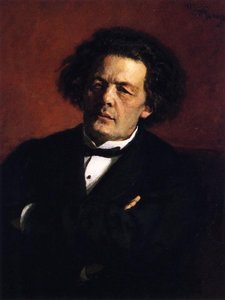
Experience the serious contemplation of Thomas Ender by Friedrich Ritter Von Amerling's masterful 1831 portraiture; discover this elegant piece of Austrian Romantic art today.

Fedezze fel Friedrich Ritter von Amerling elegáns portréit! Az osztrák festő az akadémiai realizmusról és a 19. századi aristokratikus élet ábrázolásáról ismert.

Kézzel készített olajfestmény reprodukció

Kézzel festett olajvastú vászon, az Ön által választott méretben és keretben, művészeink készítik meglévőre. ( Váltás nyomtatványra Áttérés digitális képre)

Corner sample of the P118B picture frame: formázott polisztirol, 5 cm wide and 3 cm thick
P118B Ft10
Corner sample of the P118H picture frame: formázott polisztirol, 5 cm wide and 3 cm thick
P118H Ft10
Corner sample of the P118W picture frame: formázott polisztirol, 5 cm wide and 3 cm thick
P118W Ft10
Corner sample of the P438Z picture frame: formázott polisztirol, 5.5 cm wide and 3.5 cm thick
P438Z Ft10
Corner sample of the P508JH picture frame: formázott polisztirol, 7 cm wide and 3.5 cm thick
P508JH Ft12
Corner sample of the P508YH picture frame: formázott polisztirol, 7 cm wide and 3.5 cm thick
P508YH Ft12
Corner sample of the P805H picture frame: formázott polisztirol, 5 cm wide and 3.5 cm thick
P805H Ft10
Corner sample of the P805Z picture frame: formázott polisztirol, 5 cm wide and 3.5 cm thick
P805Z Ft10
Corner sample of the P919BZ picture frame: formázott polisztirol, 7 cm wide and 3.5 cm thick
P919BZ Ft10
Corner sample of the P919G picture frame: formázott polisztirol, 7 cm wide and 3.5 cm thick
P919G Ft10
Corner sample of the P919XJ picture frame: formázott polisztirol, 7 cm wide and 3.5 cm thick
P919XJ Ft10
Corner sample of the P959ZH picture frame: formázott polisztirol, 5 cm wide and 3 cm thick
P959ZH Ft10
Corner sample of the P968JZ picture frame: formázott polisztirol, 6 cm wide and 4 cm thick
P968JZ Ft12
Corner sample of the W106C picture frame: tömörfa, 5 cm wide and 3 cm thick
W106C Ft8
Corner sample of the W218G picture frame: tömörfa, 5 cm wide and 3 cm thick
W218G Ft10
Corner sample of the W218JH picture frame: tömörfa, 5 cm wide and 3 cm thick
W218JH Ft8
Corner sample of the W218Y picture frame: tömörfa, 5 cm wide and 3 cm thick
W218Y Ft10
Corner sample of the W307PJ picture frame: tömörfa, 6 cm wide and 3 cm thick
W307PJ Ft10
Corner sample of the W316G picture frame: tömörfa, 6 cm wide and 3 cm thick
W316G Ft10
Corner sample of the W316PJ picture frame: tömörfa, 6 cm wide and 3 cm thick
W316PJ Ft8
Corner sample of the W316Y picture frame: tömörfa, 6 cm wide and 3 cm thick
W316Y Ft10
Corner sample of the W398PJ picture frame: tömörfa, 5 cm wide and 3 cm thick
W398PJ Ft8
Corner sample of the W4111J picture frame: tömörfa, 6.5 cm wide and 3.5 cm thick
W4111J Ft10
Corner sample of the W500HY picture frame: tömörfa, 7 cm wide and 5 cm thick
W500HY Ft15
Corner sample of the W500JH picture frame: tömörfa, 7 cm wide and 5 cm thick
W500JH Ft15
Corner sample of the W692G picture frame: tömörfa, 8 cm wide and 4 cm thick
W692G Ft12
Corner sample of the W849H picture frame: tömörfa, 5 cm wide and 3 cm thick
W849H Ft8
Corner sample of the W940BG picture frame: tömörfa, 7.5 cm wide and 4.5 cm thick
W940BG Ft15
Corner sample of the W953PJ picture frame: tömörfa, 6 cm wide and 3.5 cm thick
W953PJ Ft8

Standard méret
egyedi
CM
INCH

Válasszon előre meghatározott méreteink közül, amelyek megfelelnek a műalkotás eredeti arányainak.

szélesség
magasság

Írja be a kívánt szélességet és magasságot, hogy illeszkedjen a keretéhez vagy a falához. Mivel ez kézzel festett alkotás, egy eltérő formájú méret esetén a művész akár festhet is valamivel többet a kép körül, vagy korolathat is belőle — az Ön döntésének megfelelően. A festés megkezdése előtt küldünk egy digitális tervezetet jóváhagyásra. Az oldalon látható kép nem tartalmazza a végeredményt — csak a tervezet mutatja meg a valódi eredményt.

Példák arra, mit lehet módosítani: az arc kicserélése az ügyfél fotójára; háziállat hozzáadása (pl. macska helyett kutya); rejtett üzenet elhelyezése a háttérben; a háttér tájának vagy elemeinek megváltoztatása.
A rendelést követően a WahooArt.com csapata e-mailt küld az ügyfélnek az instrukciókért, és biztosít egy előnézeti képet (mockup).

Világszerte elérhető szállítás () 3-4 hét alatt a szokásos 5 hét helyett. (22 október). A minőség nem kérdőjelezhető.

Ingyenes globális expressz szállítás
Prémium minőségű len vászon
Teljes körű szállítási biztosítás
Vámvisszatérítési Garancia
Tökéletes színarányosság garancia
100 napos visszaküldési garancia (csak gyártási hibás termékek esetén)
100% pénzvisszatérítési garancia
Több darab vásárlásakor kedvezmény

Összesített ár

Ft 85943

Thomas Ender

Reprodukciós technika

Reprodukció méretei

-

Összesített ár

Ft 85943

Rövid tények

  • Title: Thomas Ender
  • Artistic style: Academic Portraiture
  • Artist: Friedrich Ritter von Amerling
  • Year: 1831

Művészeti kvíz

Minden kérdésre csak egy helyes válasz létezik.

Kérdés 1:
In what year was the portrait of Thomas Ender executed?
Kérdés 2:
What object is the subject holding that serves as a symbol in the portrait?
Kérdés 3:
Which artistic style is demonstrated by Amerling's technical prowess in this work?
Kérdés 4:
What specific background element is mentioned as being subtly integrated into the scene?
Kérdés 5:
What color is the suit worn by Thomas Ender in this painting?

A Study in Contemplation: The Portrait of Thomas Ender

To stand before a portrait by Friedrich Ritter von Amerling is to step directly into the refined atmosphere of early nineteenth-century Vienna. This depiction of Thomas Ender, executed in 1831, transcends a mere likeness; it is a carefully constructed meditation on character and societal standing. The subject himself commands attention with an air of profound seriousness. Clad in the sober elegance of a black suit and tie, he holds a pipe—an accoutrement that has become as much a symbol in portraiture as the sitter himself. His gaze, directed outward toward the viewer, is not confrontational, but rather deeply contemplative, inviting us to peer into the quiet depths of his thoughts.

Mastery of Academic Realism and Technique

Amerling’s technical prowess shines through every visible brushstroke. The choice of oil on canvas allowed him to achieve a rich, velvety texture that lends an undeniable depth to the composition. Observe how the light plays across the contours of his face; it is not uniform, but rather selectively applied, highlighting certain planes and drawing the eye precisely where the artist intended. This adherence to academic realism, while maintaining an inherent grace, showcases Amerling’s ability to balance meticulous detail with an almost effortless elegance. The background elements—the visible clock on the wall, for instance—are subtly integrated, grounding the figure in a specific moment of time without ever distracting from the central narrative embodied by Ender.

Historical Echoes and Social Portraiture

The year 1831 places this work squarely within a period of significant cultural transition in Austria. Amerling, deeply rooted in the traditions of Viennese art, captured not just faces, but the very essence of the educated, established gentleman of the era. The inclusion of secondary figures in the periphery adds a layer of narrative complexity, suggesting that Ender exists within a larger social ecosystem—a world of polite society and intellectual exchange. These surrounding elements serve to contextualize the main subject, reminding us that even moments of intense personal thought occur against the backdrop of community life.

Symbolism and Emotional Resonance

The pipe itself carries weight in this portraiture; it suggests habit, reflection, and perhaps a measured approach to life’s complexities. Coupled with his steady, thoughtful expression, the painting evokes a sense of quiet dignity. For the modern admirer, owning or displaying a reproduction of this piece is not merely an act of decoration, but an embrace of history itself—a connection to the enduring values of craftsmanship, intellectual depth, and refined taste that defined the Romantic era’s artistic zenith. It offers the viewer a moment of pause, urging them to consider their own inner contemplations.

Gyakran Ismételt Kérdések

Miről szól a "Thomas Ender"?

A „Thomas Ender”, Friedrich Ritter Von Amerling alkotása alkotás témái közé tartozik a portraiture, pipe smoking, black suit, academic art, vienna life, 19th century. Ezek együtt foglalják össze a mű tárgyát.

Mely művészeti irányba tartozik a „Thomas Ender”, Friedrich Ritter Von Amerling alkotása?

A "Thomas Ender" a Romanticism egyik alkotása. A művészeti irány jelzi azt a művészeti hagyományt, amelybe a mű tartozik.

Elérhető diaporáma „Thomas Ender”, Friedrich Ritter Von Amerling alkotása alkotáshoz?

Elérhető egy diaváltó: a Diaváltás oldala a(z) „Thomas Ender”, Friedrich Ritter Von Amerling alkotása alkotáshoz.


A művész életrajza

Friedrich Ritter von Amerling: Az akadémikus portretúra mestere

Friedrich Ritter von Amerling (szül. 1803, Wien, megh. 1887, Wien) az osztrák művészettörténet egyik kiemelkedő alakjaként áll fenn, aki szakíthatatlan odafordulásáról az akadémikus hagyományokhoz és a romantika korának aristokratikus alakjainak méltósága és eleganciája lenyűgöző megörökítéséről ismert. Egy kézműves családból származó ember volt – egy olyan családi örökségből, amely precíz részletgazdagságra és mesteri kivitelezésre tanította –, Amerling művészeti útja a bécsi Akademie der bildenden Künsten intézményében kezdődött, ahol klasszikus eszmékért lucharó befolyásos mesterek tanítása alatt csiszolta tehetségét.
  • A korai képzés és a hatások: Amerling alakformáló éveket meghatározta korszakának uralkodó művészeti érzetének befogadása, különösen azé, amelyet William Adolphe Bouguereau képviselt, akit egyfajta lelki rokonként tekintett a realizmus és a kompozíciós harmónia fontosságát illetően.
  • A táblaképzés kezdetei: Bár kezdetben a tájfestészet felé vonzott – egy olyan műfaj, amely számos bécsi művész kedvelt témája volt –, Amerling hamar magasan helyezte el magát az osz मद्देन alpok és a Dunavölgy ügyes tolmécét. Vászonai nem csupán vizuális benyomásokat közvetítettek, hanem mélyebb nagyságérzetet és spirituális kontemplációt is árasztottak.

Az akadémikus realizmus töretlen keresése

Amerling művészeti filozófiája a szigorú pontosság elérésére épült, amikor alanyait – elsősorban a nemesség tagjait – megörökítette, minden egyes részletet fegyelmezett megfigyeléssel és mesteri technikával kiegészítve. Szilárdan tartotta magát az akadémikus festészet elveihez, előtérbe helyezve az anatómiai helyességet, az idealizált szépséget és a gondosan felépített piramidális kompozíciót. Ez a hagyományhoz való hűség a 19. század közepe bécsi kulturális klímáját tükrözi, ahol a művészeti kiválóság elválaszthatatlanul kapcsolódott az etablált konvenciók fenntartásához.
  • Kiemelt alkotások: Legmaradandó öröksége közé tartoznak azok a portrék, amelyek olyan személyeket ábrázolnak, mint Bertel Thorvaldsen – a híres szobrász –, Ludmilla Amerling (lánya), valamint számos bécsi arisztokrata család tagja. Ezek a festmények példaként szolgálnak Amerling chiaroscuro-mesteriségének, amely a fény és az árnyék finom gradációit használja a formák kialakítására és alanyai pszichológiai mélységének megteremtésére.
  • Technika és stílus: Amerling egyedi stílusát a színpaletták tudatos visszafogottsága jellemezte – gyakran kedvelve a visszafogott tónusokat –, valamint a bőr, az áru és a haj textúráinak és árnyalatainak rendíthetetlen felidézése. Metszetelt ecsetvonásai hozzájárultak vászonai fényűző minőségéhez, olyan képeket alkotva, amelyek időtlen szépséggel vonalnak magukhoz.

Hatás és örökség

Friedrich Ritter von Amerling hatása túlmutatott saját életművén, formálva a későbbi generációk művészeti érzékét, és megszilárdítva az akadémikus hagyomány helyét a bécsi művészetben. Klasszikus eszmék iránti rendíthetetlen elkötelezettsége ellenpontot szolgált a feltörekvő impresszionista tendenciáknak, biztosítva, hogy a realizmus és az idealizált szélegesség évtizedekig domináljon az osztrák festészetben. Nap idag Amerling művei elsősorban európai múzeumokban kaptak helyet – beleértve a párizsi Musée Maurice Denis-t is –, ahol technikai brillanciájuk és kifejező erejük miatt továbbra is csodálatot ébresztenek.
  • Kortárs összehasonlítások: Amerling munkásságának összevetése Claude Monet vagy Pierre-Auguste Renoir alkotásaival alapvető különbséget mutat a művészeti vízió tekintetében. Míg az impresszionisták a szenzoros élmény pillanatnyi pillanatait keresték, Amerling a karakter és a méltóság tartós minőségeinek közvetítésére összpontosított a precízen kidolgozott portrékon keresztül.
Amerling öröksége nem csupán festményei szépségében rejlik, hanem művészeti integritásának szilárd védelmében is – ami tanúbizonyság a hagyomány tartós erejére és a vizuális művészet területén folytatott tökéletességre irányuló törekvésre.
Friedrich Ritter Von Amerling

Friedrich Ritter Von Amerling

1803 - 1887 , Ausztria

Gyors információk

  • Artistic Movement Or Style: Akadémizmus
  • Artists Or Movements Influenced By This Artist: ['Barbizon-iskola']
  • Artists Who Influenced This Artist: ['William Adolphe Bouguereau']
  • Date Of Birth: 1803
  • Date Of Death: 1887
  • Full Name: Friedrich Ritter von Amerling
  • Nationality: Osztrák
  • Notable Artworks:
    • Hegyi táj folyóval
    • Fiatal nő portréja
  • Place Of Birth: Wien, Ausztria