BESPLATNE UMJETNIČKE KONSULTACIJE

x

Kratki pregled

  • Top 3 works:
    • Robert Owen (1771–1858)
    • Hastings Fishermen
    • Old London Road, Entrance to Hastings, East Sussex
  • Lifespan: 88 years
  • Died: 1860
  • Art period: 19th Century
  • Born: 1772
  • Prikaži više…

Kviz o umjetnosti

Svako pitanje ima samo jedan točan odgovor.

Pitanje 1:
Q1
Pitanje 2:
Q2
Pitanje 3:
Q3
Pitanje 4:
Q4
Pitanje 5:
Q5

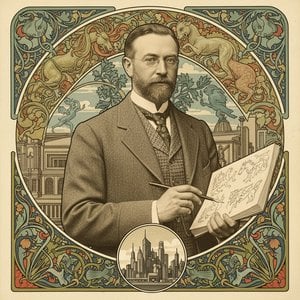
William Henry Brooke: A Victorian Illustrator Shaped by Tradition

William Henry Brooke (1772-1860) stands as a quietly influential figure in 19th-century British art, primarily recognized for his meticulous illustrations to books—a vocation that cemented his legacy and established him as a pivotal contributor to the Arts and Crafts movement. Born into a family steeped in artistic heritage – his father, Henry Brooke, was himself a painter – Brooke’s formative years were nurtured by exposure to classical aesthetics and artistic craftsmanship, shaping his distinctive style and worldview. His connection to Henry Brooke, the celebrated author of “A Fool’s Quality,” further underscored the importance of literary patronage within Victorian society. Brooke's formal training commenced under Samuel Drummond, a respected artist known for his landscapes and portraits, providing him with foundational skills in observation and technique. However, it was Drummond’s influence that extended beyond mere instruction; he instilled in Brooke a deep appreciation for detail and accuracy—qualities that would become hallmarks of Brooke’s artistic endeavors. This dedication to precision is particularly evident in his illustrations, where every line and shade meticulously conveys the essence of the depicted subject matter. Brooke's artistic output spanned across diverse genres, ranging from portraiture to genre scenes, yet he achieved enduring fame through his collaborations with prominent publishers like Thomas Moore and John Major. Notably, his contribution to “Irish Melodies” showcased his ability to capture musical emotion visually—a testament to his understanding of how art could communicate intangible feelings. Similarly, his involvement in Walton’s “Compleat Angler,” a seminal work celebrating the natural world, demonstrated his commitment to representing reality with unwavering fidelity. His stylistic evolution mirrored broader trends within Victorian illustration. Influenced by Thomas Stothard, whose meticulous watercolor renderings championed decorative elegance and tonal subtlety, Brooke adopted a technique characterized by delicate washes and precise hatching—methods that prioritized visual harmony and textural richness. These influences contributed to the distinctive aesthetic of his illustrations, which are distinguished by their understated beauty and remarkable attention to detail. Brooke’s artistic achievements solidified his position as a key figure in the Arts and Crafts movement, an intellectual and artistic reaction against industrialization that championed handcrafted artistry and revived interest in medieval traditions. His unwavering commitment to craftsmanship—evident in every brushstroke—embodied the movement's core values and served as inspiration for subsequent generations of artists. William Henry Brooke’s legacy resides not merely in his individual artworks but also in his role as a conduit for preserving artistic heritage and elevating the standards of visual representation during a transformative period in British history.