Donatello, 1386 – 1466

The 100 Most Famous Paintings by Donatello

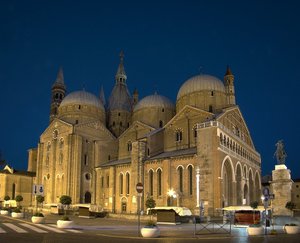
The painting that made Donatello famous is Madonna and Child between St Francis and St Anthony (1448); it hangs in the Bazilika Sant'Antonio, Padova. Cantoria (1439) and Entombment (1447) follow it in the hearts of collectors and museum visitors. Of the 148 works by Donatello in our catalogue, these 100 are the most admired, each presented with its date, its museum and what sets it apart.

Rangirano prema našoj ocjeni popularnosti, koja objedinjuje broj pretraživanja, posjeta i narudžbi za svako djelo. Ažurirano Listopad 2026. Every masterpiece on this page can be ordered as a museum-quality, hand-painted oil reproduction or a fine art print, at the size you choose.

Portret Donatello
Donatello · 1386 – 1466
Rođen · umro
1386 – 1466, Firenca
Pokret
Early renaissance
Djela u našem katalogu
148
Najpoznatije
Madonna and Child between St Francis and St Anthony (1448)
Najviše djela u
Museo dell'Opera del Duomo

Donatello: the ten masterpieces

Madonna and Child between St Francis and St Anthony (1448) od Donatello
1

Madonna and Child between St Francis and St Anthony

1448 · Bronze · Bazilika Sant'Antonio, Padova

In the heart of the Italian Renaissance, where the shadows of antiquity met the burgeoning light of humanism, Donatello breathed life into metal with his masterpiece, Madonna and Child between St Francis and St Anthony. Created around 1448, this profound bronze sculpture serves as a window into a period of unparalleled spiritual and artistic transformation. The composition is a masterclass in symmetrical grace; at its center, the Virgin Mary cradles…

Cantoria (1439) od Donatello
2

Cantoria

1439 · Marble · Museo dell'Opera del Duomo, Firenca

To stand before Donatello’s Cantoria is to witness the very moment the Renaissance found its pulse. Completed around 1439 for the Cathedral of Santa Maria del Fiore in Florence, this monumental marble relief is far more than a functional singers' gallery; it is a breathtaking explosion of movement and spiritual ecstasy. While much of the era’s sculpture remained tethered to the static, formal traditions of the Byzantine style, Donatello broke…

Entombment (1447) od Donatello
3

Entombment

1447 · Oil On Canvas · Bazilika Sant'Antonio, Padova

To stand before Donatello's depiction of the Entombment is to be enveloped in an atmosphere so thick with grief, it feels almost palpable. This scene transcends mere narrative illustration; it is a profound meditation on loss, sacrifice, and the solemn weight of human devotion. The composition draws the viewer into the immediate aftermath of unimaginable tragedy. Jesus Christ lies within the tomb, not merely as a subject, but as the…

Miracle of the Repentant Son (1447) od Donatello
4

Miracle of the Repentant Son

1447 · Acrylic · Bazilika Sant'Antonio, Padova

Donatello’s bronze sculpture, "Miracle of the Repentant Son," transcends mere representation; it's a profound meditation on faith, remorse, and divine grace. Created in 1447 during the apex of his artistic maturity, this work embodies the burgeoning humanism and emotional depth that defined the Early Renaissance in Florence. More than just a depiction of a biblical miracle – the restoration of a severed limb by St. Anthony – it’s a study…

Crucifix (1412) od Donatello
5

Crucifix

1412 · Acrylic On Canvas · Santa Croce, Firenca

Donatello's 1412 Crucifix, housed within the Basilica of Santa Croce in Florence, isn’t merely a depiction of Christ on the cross; it’s a visceral experience. This early Renaissance masterpiece transcends simple representation, plunging the viewer into the heart of Christian theology and embodying the profound tension between suffering and redemption. Crafted from richly-toned pearwood, the sculpture immediately commands attention with its remarkably realistic portrayal of the human form – a…

Annunciation (1435) od Donatello
6

Annunciation

1435 · Acrylic On Canvas · Santa Croce, Firenca

Donatello’s 1435 Annunciation, housed within the Basilica di Santa Croce in Florence, isn’t merely a depiction of a biblical moment; it’s a profound meditation on grace, humility, and the transformative power of faith. Commissioned during a pivotal period of artistic innovation – bridging the Gothic and Renaissance eras – this sculpture embodies Donatello's revolutionary approach to humanism and his masterful command of classical forms. The scene unfolds with an arresting…

St George (detail) (1416) od Donatello
7

St George (detail)

1416 · Marble · Museo Nazionale del Bargello, Firenca

The marble figure of St. George, sculpted by Donatello around 1416, stands as more than just a depiction of a saint; it's a pivotal moment in the evolution of Renaissance sculpture – a testament to the artist’s innovative spirit and his profound understanding of human form and narrative. Originally gracing the north wall of Orsanmichele, Florence’s imposing guildhall, this statue immediately captivated viewers with its dynamic energy and strikingly realistic…

Herod's Banquet (1427) od Donatello
8

Herod's Banquet

1427 · Bronze · Baptisterij, Siena

Donatello's Herod’s Banquet, crafted around 1427 for the baptismal font of Siena’s San Giovanni Baptistery, isn’t merely a depiction of a biblical episode; it’s a profound meditation on power, betrayal, and the chilling consequences of unchecked ambition. Commissioned amidst the competitive fervor of Renaissance Florence and Siena, this bronze relief stands as a testament to Donatello's burgeoning mastery – a pivotal work that showcases his innovative approach to sculpture and…

Bearded Prophet (1418) od Donatello
9

Bearded Prophet

1418 · Bronze · Museo dell'Opera del Duomo, Firenca

In the heart of the Florentine Renaissance, where the shadows of antiquity began to dance with the light of new humanism, Donatello breathed life into bronze with his Bearded Prophet. Created around 1418, this monumental figure is far more than a mere sculpture; it is a profound meditation on the weight of divine knowledge and the solemnity of faith. As one gazes upon the weathered surface of the bronze, there…

St. John the Evangelist (1415) od Donatello
10

St. John the Evangelist

1415 · Marble

St. John the Evangelist is a marble sculpture created by the artist Donatello. Dated 1410, this work depicts one of the twelve apostles of Jesus. The subject is rendered as an elderly man, presented with a face etched with lines and a gaze that suggests a state of contemplation and wisdom. This choice of representation presents the figure as a philosopher-like individual.

More Donatello masterpieces, 11 to 100

St Mark (1411) od Donatello
#11

St Mark

1411 · Orsanmichele

Within the echoing halls of Orsanmichele in Florence, stands Donatello's sculpture of St. Mark – more than just a depiction of a biblical figure; it is a profound…

Prophet with Scroll (detail) (1418) od Donatello
#12

Prophet with Scroll (detail)

1418 · Museo dell'Opera del Duomo

To stand before this detail of a prophet is to encounter a moment suspended in time—a profound echo from the heart of the Italian Renaissance. The marble itself,…

St John on Patmos (1428) od Donatello
#13

St John on Patmos

1428

The St John on Patmos painting, created by the renowned artist Donatello in 1428, is a stunning example of Renaissance art. This masterpiece is a testament to Donatello's…

David (detail) (1409) od Donatello
#14

David (detail)

1409 · Museo Nazionale del Bargello

To stand before this detail of Donatello's David is to encounter not merely a sculpture, but a profound meditation on nascent heroism. The marble seems to breathe with…

Pietà (1447) od Donatello
#15

Pietà

1447 · Bazilika Sant'Antonio

In the quiet sanctity of the Basilica di Sant’Antonio in Padua, there exists a moment frozen in bronze, a profound intersection of divine tragedy and human vulnerability. Donatello’s…

Pulpit (on the right) (1465) od Donatello
#16

Pulpit (on the right)

1465 · Bazilika San Lorenzo

In the hallowed, sun-drenched silence of the Basilica of San Lorenzo in Florence, there exists a sculptural marvel that captures the very essence of a soul nearing its…

Prophet Jeremiah (1423) od Donatello
#17

Prophet Jeremiah

1423 · Museo dell'Opera del Duomo

To stand before Donatello’s Prophet Jeremiah is to encounter not merely carved stone, but the very weight of human contemplation. This marble masterpiece transports us into a moment…

Prophet Habakkuk (1427) od Donatello
#18

Prophet Habakkuk

1427 · Museo dell'Opera del Duomo

In the heart of Florence, within the hallowed halls of the Museo dell'Opera del Duomo, stands a figure that seems to breathe with the weight of centuries. Donatello’s…

Pulpit (1438) od Donatello
#19

Pulpit

1438 · Museum of the Cathedral

The Pulpit by Donatello emerged from the stone and the shared vision of a workshop. In 1438, the artist completed this marble structure, working alongside collaborators Michelozzo and…

Miracle of the New-born Child (detail) (1447) od Donatello
#20

Miracle of the New-born Child (detail)

1447 · Bazilika Sant'Antonio

This bronze detail captures an aged figure rendered with profound realism. The sculpture focuses on the upper torso and head, where deep wrinkles and facial contours convey experience…

Miracle of the Ass (1447) od Donatello
#21

Miracle of the Ass

1447 · Bazilika Sant'Antonio

In the heart of the Italian Renaissance, amidst the burgeoning humanism of Florence, Donatello breathed life into metal with his 1447 masterpiece, The Miracle of the Ass. This…

Cantoria (detail) (1439) od Donatello
#22

Cantoria (detail)

1439 · Museo dell'Opera del Duomo

The “Cantoria,” or Singing Gallery, crafted by the towering figure of Donatello between 1439 and 1440, isn't merely a decorative element within Florence’s Duomo; it’s an immersive experience,…

Evangelist Luke (1428) od Donatello
#23

Evangelist Luke

1428

The "Evangelist Luke" is a remarkable painting created by the renowned artist Donatello in 1428. This stunning work of art, crafted from stucco and measuring 215 x 215…

Bring it home →
Pulpit (detail) (1438) od Donatello
#24

Pulpit (detail)

1438 · Museo dell'Opera del Duomo

To look closely at this detail from the pulpit is to witness a quiet revolution in stone. The marble figures emerge from their setting with a sense of…

Christ before Pilate and Caiaphas (1460) od Donatello
#25

Christ before Pilate and Caiaphas

1460 · Bazilika San Lorenzo

Donatello's 1460 bronze sculpture, “Christ Before Pilate and Caiaphas,” stands as a monumental achievement within the burgeoning artistic landscape of the Italian Renaissance. Housed in the San Lorenzo…

David (1409) od Donatello
#26

David

1409 · Museo Nazionale del Bargello

To stand before Donatello’s David is not merely to observe a sculpture; it is to witness a suspended moment of profound human potential. Carved from luminous marble, this…

St George and the Dragon (1416) od Donatello
#27

St George and the Dragon

1416 · Museo Nazionale del Bargello

Gazing upon this marble bust is to confront a moment frozen in time—a powerful confluence of classical revivalism and raw human emotion. The subject, rendered with breathtaking verisimilitude,…

Saint George (1417) od Donatello
#28

Saint George

1417 · Museo Nazionale del Bargello

In the heart of Florence, where the echoes of the Quattrocento still resonate through the cobblestone streets, stands a figure of unparalleled poise and quiet strength. Donatello’s Saint…

St John the Evangelist (detail) (1410) od Donatello
#29

St John the Evangelist (detail)

1410 · Museo dell'Opera del Duomo

Donatello's “St John the Evangelist (detail),” a remarkably preserved marble sculpture created around 1410-1411, stands as a pivotal work in the transition from the late Gothic to the…

St John the Evangelist (1410) od Donatello
#30

St John the Evangelist

1410 · Museo dell'Opera del Duomo

St John the Evangelist is a marble sculpture created by the artist Donatello. The work is dated 1410. It depicts one of the twelve apostles of Jesus, specifically…

Deposition (detail) (1465) od Donatello
#31

Deposition (detail)

1465 · Bazilika San Lorenzo

Donatello's Deposition, a pivotal work from 1465, isn’t merely a depiction of Christ being lowered from the cross; it’s a profound meditation on grief, loss, and the nascent…

Commission a hand-painted copy →
North pulpit (1460) od Donatello
#33

North pulpit

1460 · Bazilika San Lorenzo

To stand before the North Pulpit is to witness a profound moment in the evolution of Western art, where the rigid structures of the Middle Ages began to…

David (1430) od Donatello
#35

David

1430 · Museo Nazionale del Bargello

Michelangelo’s “David,” a colossal marble sculpture residing within the Galleria dell’Accademia in Florence, isn't merely a depiction of a biblical hero; it’s an embodiment of human potential, a…

Commission a hand-painted copy →
Miracle of the Avaricious Man's Heart (1447) od Donatello
#37

Miracle of the Avaricious Man's Heart

1447 · Bazilika Sant'Antonio

Within the hallowed, sun-drenched walls of the Basilica di Sant’Antonio in Padua, there exists a moment frozen in time, a bronze whisper of the divine captured by the…

Allegoric Figure of a Boy (Atys), rear view (1430) od Donatello
#38

Allegoric Figure of a Boy (Atys), rear view

1430 · Museo Nazionale del Bargello

To stand before an image evoking this bronze figure is to feel the very breath of the Renaissance wind against one's skin. This depiction, titled Allegoric Figure of…

St George (detail) (1416) od Donatello
#39

St George (detail)

1416 · Museo Nazionale del Bargello

In the heart of Florence, within the hallowed halls of the Museo Nazionale del Bargello, resides a fragment of eternal courage. Donatello’s St. George, specifically captured in this…

Cantoria (detail) (1439) od Donatello
#40

Cantoria (detail)

1439 · Museo dell'Opera del Duomo

In the heart of Florence, within the hallowed halls of the Museo dell’Opera del Duomo, lies a fragment of divine ecstasy known as the Cantoria. Created by the…

Marzocco (1419) od Donatello
#43

Marzocco

1419 · Museo Nazionale del Bargello

In the heart of the Renaissance, amidst the political tremors and cultural rebirth of 15th-century Florence, Donatello breathed life into stone to create one of the city's most…

Prophet Jeremiah (detail) (1423) od Donatello
#44

Prophet Jeremiah (detail)

1423 · Museo dell'Opera del Duomo

Donatello's “Prophet Jeremiah (detail),” a poignant study carved from pristine white marble around 1423-1427, transcends mere portraiture to become a profound meditation on faith, suffering, and the weight…

Commission a hand-painted copy →
Cantoria (detail) (1439) od Donatello
#45

Cantoria (detail)

1439 · Museo dell'Opera del Duomo

Donatello's "Cantoria," a breathtaking detail from the larger marble relief adorning the south sacristy doors of the Duomo in Florence, isn’t merely a sculpture; it’s a vibrant snapshot…

Order a reproduction →
Herod's Banquet (detail) (1427) od Donatello
#46

Herod's Banquet (detail)

1427 · Baptisterij

In the hallowed, quiet corridors of the Siena Baptistery, there exists a moment frozen in time, captured not in paint, but in the enduring strength of bronze. Donatello’s…

Miracle of the Avaricious Man's Heart (detail) (1447) od Donatello
#47

Miracle of the Avaricious Man's Heart (detail)

1447 · Bazilika Sant'Antonio

The Miracle of the Avaricious Man's Heart is a remarkable bronze relief created by the renowned Italian artist Donatello in 1447. This stunning work of art is located…

Bearded Prophet (detail) (1418) od Donatello
#48

Bearded Prophet (detail)

1418 · Museo dell'Opera del Duomo

Donatello's "Bearded Prophet" – often referred to as “Pensieroso,” meaning “the Thinker” – stands not merely as a sculpture, but as a profound meditation on humanity’s relationship with…

Cantoria (detail) (1439) od Donatello
#49

Cantoria (detail)

1439 · Museo dell'Opera del Duomo

Donatello's Cantoria, a breathtaking marble relief sculpture from the Duomo di Firenze (Florence Cathedral), isn’t merely a decorative element; it’s a vibrant snapshot of Renaissance ambition and artistic…

Commission a hand-painted copy →
Prophet Jeremiah (1423) od Donatello
#50

Prophet Jeremiah

1423 · Museo dell'Opera del Duomo

Prophet Jeremiah is a marble sculpture created by the artist Donatello. Dated 1423, the work represents a significant religious subject through the depiction of the biblical prophet. The…

South pulpit (1460) od Donatello
#51

South pulpit

1460 · Bazilika San Lorenzo

Donatello’s Passion Pulpit, a monumental bronze ensemble housed within the Basilica of San Lorenzo in Florence, isn’t merely a religious depiction; it’s a visceral embodiment of the artist’s…

Commission a hand-painted copy →
Deposition (1465) od Donatello
#52

Deposition

1465 · Bazilika San Lorenzo

Donatello's Deposition, completed in 1465, isn’t merely a sculpture; it’s a profound meditation on loss, faith, and the raw vulnerability of humanity. Carved from rich, burnished bronze –…

St George (1416) od Donatello
#53

St George

1416 · Museo Nazionale del Bargello

Donatello’s “St. George,” sculpted in 1416 for the Museo Nazionale del Bargello in Florence, isn’t merely a depiction of a biblical hero; it’s a potent distillation of Renaissance…

Cantoria (1439) od Donatello
#54

Cantoria

1439 · Museo dell'Opera del Duomo

Within the hallowed halls of the Museo dell'Opera del Duomo in Florence resides a sculpture that transcends mere stone and marble – it is an embodiment of Renaissance…

Faith (1427) od Donatello
#55

Faith

1427 · Baptisterij

Donatello's "Faith," crafted in bronze around 1427-1429 for the baptismal font within Siena Cathedral, stands as a pivotal work bridging the late Gothic and burgeoning Early Renaissance styles.…

Old Sacristy (1428) od Donatello
#56

Old Sacristy

1428 · Bazilika San Lorenzo

To step into the Old Sacristy within the Basilica of San Lorenzo is to leave the chaotic bustle of Florence behind and enter a realm of profound mathematical…

Annunciation (detail) (1435) od Donatello
#57

Annunciation (detail)

1435 · Santa Croce

Donatello's "Annunciation," specifically this exquisite detail from the relief adorning the Cavalcanti Chapel in Santa Croce, Florence, stands as a pivotal moment in the burgeoning Renaissance. Crafted around…

Order a reproduction →
Pulpit (on the left) (1465) od Donatello
#58

Pulpit (on the left)

1465 · Bazilika San Lorenzo

Within the serene confines of San Lorenzo church in Florence resides a sculpture that transcends mere marble; it is a profound meditation on faith, humanity, and the very…

Order a reproduction →
Prophet with Scroll (1418) od Donatello
#59

Prophet with Scroll

1418 · Museo dell'Opera del Duomo

Donatello’s “Prophet with Scroll,” crafted between 1415 and 1418, stands as a pivotal work in the burgeoning Early Renaissance of Florence. More than simply a depiction of biblical…

St John the Evangelist (1410) od Donatello
#60

St John the Evangelist

1410 · Museo dell'Opera del Duomo

Donatello’s “St John the Evangelist,” completed between 1410 and 1411, isn't merely a sculpture; it’s an invitation into a realm of contemplative grace. Carved from pristine white marble,…

Commission a hand-painted copy →
Prophet Habakkuk (1427) od Donatello
#61

Prophet Habakkuk

1427 · Museo dell'Opera del Duomo

In the hallowed, sun-drenched halls of the Museo dell'Opera del Duomo in Florence, there exists a figure that seems to breathe with the heavy weight of centuries. Donatello’s…

Entombment (1465) od Donatello
#62

Entombment

1465 · Bazilika San Lorenzo

Donatello's “Entombment,” completed around 1465 in Florence, stands as a monumental achievement within the Early Renaissance—a sculpture that transcends mere representation to embody profound human emotion and theological…

Cantoria (9) (1439) od Donatello
#63

Cantoria (9)

1439 · Museo dell'Opera del Duomo

Donatello's "Cantoria," completed in 1439 for the Duomo of Florence, isn’t merely a decorative element; it’s a vibrant embodiment of Renaissance ideals – a testament to human ingenuity,…

Bring it home →
Lamentation over the Dead Christ od Donatello
#64

Lamentation over the Dead Christ

Victoria and Albert Museum

Donatello, one of the most influential artists of the Italian Renaissance, created the Lamentation Over The Dead Christ around 1455-1460. This remarkable bronze relief is currently housed in…

St George (1416) od Donatello
#65

St George

1416 · Museo Nazionale del Bargello

Donatello's *Saint George*, sculpted in 1416 during the nascent Renaissance, is more than just a marble statue; it’s a potent distillation of classical ideals interwoven with burgeoning humanist…

St John the Baptist (1438) od Donatello
#66

St John the Baptist

1438 · Bazilika Santa Maria Gloriosa dei Frari

Donatello’s “St. John the Baptist,” sculpted around 1438 in Carrara marble and now residing within the serene Chapel of St. John the Baptist at Santa Maria Gloriosa dei…

Order a reproduction →
Chellini Madonna, verso od Donatello
#68

Chellini Madonna, verso

Victoria and Albert Museum

Donatello's "Chellini Madonna," a bronze relief cast in the mid-15th century, stands as a remarkably intimate and profoundly moving work within the artist’s oeuvre. More than simply a…

St Cosmas and St Damian (1428) od Donatello
#69

St Cosmas and St Damian

1428

Two figures emerge from an ornate stone backdrop, their presence defined by a quiet, shared intensity. These men, identified as the twin saints Cosmas and Damian, are positioned…

St Mary Magdalen (1457) od Donatello
#70

St Mary Magdalen

1457 · Museo dell'Opera del Duomo

St Mary Magdalen is a sculptural work created by the Italian Renaissance sculptor Donatello. This figure is slightly larger than life size and was originally made for the…

Bust of Niccolo da Uzzano (1430) od Donatello
#71

Bust of Niccolo da Uzzano

1430 · Museo Nazionale del Bargello

Donatello's 1430s marble bust of Niccolò da Uzzano is more than just a sculpted likeness; it’s a profound meditation on leadership, duty, and the quiet strength required to…

Crucifixion (1465) od Donatello
#72

Crucifixion

1465 · Museo Nazionale del Bargello

A Moment Frozen in Time: Donatello’s Crucifixion The bronze sculpture “Crucifixion” by Donatello stands as an enduring testament to the artistic fervor of the Florentine Renaissance, capturing not…

Pulpit (1438) od Donatello
#79

Pulpit

1438 · Cathedral

A Masterpiece of Renaissance Sculpture: Donatello's Marble Pulpit Donatello’s marble pulpit, created in 1438 for the Church of San Lorenzo in Florence, stands as a pivotal work within…

Commission a hand-painted copy →
Agony in the Garden (1465) od Donatello
#80

Agony in the Garden

1465 · Bazilika San Lorenzo

Giovanni Bellini's "Agony in the Garden," housed within the venerable halls of the National Gallery, London, isn’t merely a depiction of a biblical scene; it’s a profound meditation…

Commission a hand-painted copy →
Funeral Monument to John XXIII (detail) (1435) od Donatello
#81

Funeral Monument to John XXIII (detail)

1435 · Baptisterij Sv. Ivana Krstitelja

The Funeral Monument to John XXIII (detail) is a work by the sculptor Donatello. This specific fragment captures a moment of stillness within a larger funerary structure. It…

Chellini Madonna, recto od Donatello
#82

Chellini Madonna, recto

Victoria and Albert Museum

To gaze upon the Chellini Madonna is to step into the very heart of the Florentine Renaissance, where the divine and the human intersect through the masterful hands…

Hope (1427) od Donatello
#83

Hope

1427 · Baptisterij

Within the quiet, hallowed space of the Baptistery of San Giovanni in the Siena Cathedral, a figure emerges from the shadows of a shallow marble niche. This is…

St Mark (1411) od Donatello
#84

St Mark

1411 · Orsanmichele

In the Orsanmichele of Florence, a marble figure of St Mark emerges from its Gothic niche, marking a departure from the rigid traditions of the Middle Ages. Created…

St Rossore (1425) od Donatello
#86

St Rossore

1425 · Museo Nazionale di San Matteo

In the quiet presence of Donatello’s St Rossore, one does not merely observe a sculpture; one encounters a profound dialogue between the earthly and the divine. Created around…

Musician Angels (1447) od Donatello
#90

Musician Angels

1447 · Bazilika Sant'Antonio

In the hallowed stillness of the Basilica of Saint Anthony in Padua, there exists a moment where time seems to suspend itself, captured forever in the shimmering bronze…

Donatello's paintings by period

The subjects Donatello painted most

The four subjects that return most often among these masterpieces, with the finest example of each.

Where to see Donatello's paintings

8 muzeja u kojima se nalazi najviše djela s ove stranice.

Muzej Grad Djela autora Donatello Slike iz ovog popisa
Museo dell'Opera del Duomo, FirencaMuseo dell'Opera del Duomo Firenca 22 Cantoria, Bearded Prophet, Prophet with Scroll (detail)
Museo Nazionale del Bargello, FirencaMuseo Nazionale del Bargello Firenca 13 St George (detail), David (detail), David
Bazilika Sant'Antonio, PadovaBazilika Sant'Antonio Padova 12 Madonna and Child between St Francis and St Anthony, Entombment, Miracle of the Repentant Son
Bazilika San Lorenzo, FirencaBazilika San Lorenzo Firenca 12 Pulpit (on the right), Christ before Pilate and Caiaphas, Deposition (detail)
Piazza del Santo, PadovaPiazza del Santo Padova 6 Equestrian Statue of Gattamelata (8), Equestrian Statue of Gattamelata (11), Equestrian Statue of Gattamelata
Baptisterij, SienaBaptisterij Siena 4 Herod's Banquet, Herod's Banquet (detail), Faith
Baptisterij Sv. Ivana Krstitelja, FirencaBaptisterij Sv. Ivana Krstitelja Firenca 4 Funeral Monument to John XXIII (detail), Funeral Monument to John XXIII (detail), Funeral Monument to John XXIII (detail)
Santa Croce, FirencaSanta Croce Firenca 3 Crucifix, Annunciation, Annunciation (detail)

Donatello, decade by decade: the defining painting of each

  1. 1400s
    David (detail) (1409) od Donatello
    Rank 14 / 100

    David (detail)

    Godine 14 – 23 · Museo Nazionale del Bargello

    To stand before this detail of Donatello's David is to encounter not merely a sculpture, but a profound meditation on nascent heroism. The marble seems to breathe with…

  2. 1410s
    Crucifix (1412) od Donatello
    No. 5 of 100

    Crucifix

    Godine 24 – 33 · Santa Croce

    Donatello's 1412 Crucifix, housed within the Basilica of Santa Croce in Florence, isn’t merely a depiction of Christ on the cross; it’s a visceral experience. This early Renaissance…

  3. 1420s
    Herod's Banquet (1427) od Donatello
    Rank 8 / 100

    Herod's Banquet

    Godine 34 – 43 · Baptisterij

    Donatello's Herod’s Banquet, crafted around 1427 for the baptismal font of Siena’s San Giovanni Baptistery, isn’t merely a depiction of a biblical episode; it’s a profound meditation on…

  4. 1430s
    Cantoria (1439) od Donatello
    No. 2 of 100

    Cantoria

    Godine 44 – 53 · Museo dell'Opera del Duomo

    To stand before Donatello’s Cantoria is to witness the very moment the Renaissance found its pulse. Completed around 1439 for the Cathedral of Santa Maria del Fiore in…

  5. 1440s
    Madonna and Child between St Francis and St Anthony (1448) od Donatello
    Rank 1 / 100

    Madonna and Child between St Francis and St Anthony

    Godine 54 – 63 · Bazilika Sant'Antonio

    In the heart of the Italian Renaissance, where the shadows of antiquity met the burgeoning light of humanism, Donatello breathed life into metal with his masterpiece, Madonna and…

  6. 1450s
    St Mary Magdalen (1457) od Donatello
    Rank 70 / 100

    St Mary Magdalen

    Godine 64 – 73 · Museo dell'Opera del Duomo

    St Mary Magdalen is a sculptural work created by the Italian Renaissance sculptor Donatello. This figure is slightly larger than life size and was originally made for the…

  7. 1460s
    Pulpit (on the right) (1465) od Donatello
    Rank 16 / 100

    Pulpit (on the right)

    Godine 74 – 80 · Bazilika San Lorenzo

    In the hallowed, sun-drenched silence of the Basilica of San Lorenzo in Florence, there exists a sculptural marvel that captures the very essence of a soul nearing its…

Donatello's masterpieces: questions and answers

Which painting is Donatello best known for?Show the answer

Madonna and Child between St Francis and St Anthony (1448), Bazilika Sant'Antonio, Padova. Next come Cantoria (1439) and Entombment (1447).

How old was Donatello when painting Madonna and Child between St Francis and St Anthony?Show the answer

62 years old: Madonna and Child between St Francis and St Anthony dates from 1448 and Donatello was born in 1386.

What are Donatello's ten greatest paintings?Show the answer

Madonna and Child between St Francis and St Anthony, Cantoria, Entombment, Miracle of the Repentant Son, Crucifix, Annunciation, St George (detail), Herod's Banquet, Bearded Prophet i St. John the Evangelist. The ranking above gives the year and the museum of each.

How many works did Donatello paint?Show the answer

Our catalogue lists 148 works by Donatello, dated from 1406 to 1465.

In which museums can I see Donatello's masterpieces?Show the answer

Most of them are in Museo dell'Opera del Duomo (Firenca), Museo Nazionale del Bargello (Firenca) i Bazilika Sant'Antonio (Padova). The table above lists the museums one by one.

When did Donatello paint the masterpieces?Show the answer

In 1430s: 22 of the 100 works on this page date from then, among them Cantoria.

What are the first and last famous paintings of Donatello?Show the answer

The earliest on this page is Prophet (left of the Porta della Mandorla) (1406), the latest Pulpit (on the right) (1465).

What were Donatello's favourite subjects?Show the answer

Sculpture (34), Marble (17) i Florence (12), among the 100 works on this page.

Which technique did Donatello favour?Show the answer

Marble: 27 of the 100 works on this page.

What art movement is Donatello part of?Show the answer

Early renaissance, as the paintings on this page show.

Which masterpieces by Donatello hang at the Museo dell'Opera del Duomo?Show the answer

Cantoria, Bearded Prophet i Prophet with Scroll (detail) are among the 21 works on this page held by the Museo dell'Opera del Duomo, Firenca.

Can I own a reproduction of a Donatello masterpiece?Show the answer

Yes. Every painting on this page can be ordered as a museum-quality, hand-painted oil reproduction or a fine art print, in the size you choose, from the painting's own page.

The life of Donatello

Život i identitet umjetnika Donatello

Rođen kao Donato di Niccolò di Betto Bardi, čovjek kojeg je povijest zapamtila pod imenom Donatello, proveo je svoj život unutar utvrda Firene, u Italiji. Došao je na svijet oko 1386. godine, u vrijeme kada je grad počeo redefinirati vlastiti lik kroz kamen i broncu. Njegova je prisutnost u firentinskom krajoliku bila neprestana, obilježena sigurnom rukom i dubokim fokusom na fizičku stvarnost njegovih subjekata. Bio je to kipar talijanske renesanse koji je razumio težinu materijala kojima je rukovao, od nepopustljivog tvrdog mramora do fluidnosti voska.

Njegov rad nije bio samo usamljeno težnje ka savršenstvu, već niz odgovora na potrebe svog vremena. Koračao je ulicama Firene, radeći u različitim medijima i ostavljajući za sobom trag figura koje su dočarale specifičnu, ljudsku prisutnost. Iako je bio poznat kao ljubazan čovjek kojeg su okolini voljeli, borio se s praktičnim aspektima vođenja posla. Često je prihvaćao više poslova nego što su mu ruke mogle blagovremeno završiti, ponekad prepuštajući zadnje poteze drugima ili isporučujući djela kasnije nego što se očekivalo. Ta sklonost prevelikom posvećenosti sugerira čovjeka kojeg je više zanimalo samo čin stvaranja nego upravljanje radionicom.

Donatello je umro u Firenci 13. prosinca 1466. godine. Za sobom je ostavio opus koji je promijenio način na koji su skulptori pristupali ljudskom obliku, udaljavajući se od krutih tradicija prošlosti prema nečem uzemljenijem i izražajnijem. Njegov je život bio neraskidivo povezan s ovim gradom, a njegov identitet ostaje neodvojiv od firentinskog tla na kojem je živio i stvarao.

Rani život i umjetničko obrazovanje

Rođen u Firenci, u Italiji, Donatello je odrastao u gradu koji je služio kao primarni epicentar rađajućeg renesansnog doba. To je okruženje pružilo esencijalnu kulturnu energiju za njegov razvoj. Svoje rane godine proveo je uronjen u lokalnu atmosferu, u kojoj se već počinjalo odmaknuti od krutih srednjovjekovnih tradicija. Njegova povezanost s firentinskim krajolikom bila je duboka, jer su evoluirajuće vrijednosti grada oblikovale njegov rani pristup formi i figuri.

Njegovo obrazovanje uključivalo je temeljito proučavanje klasične skulpture. Taj fokus na antiku pomogao mu je da se okrene novom stilu koji je davao prednost realizmu i humanizmu. Prije nego što je pronašao vlastiti umjetnički glas, od Lorenza Ghibertija učio je međunarodni gotički stil. To razdoblje učenja omogućilo mu je da ovlada tehničkim vještinama svog zanata prije nego što je počeo odstupati od tih utabljenih tradicija. Radio je s raznim materijalima, uključujući kamen, broncu, drvo, glinu, stuko i vosak, često koristeći staklo na izumite načine kako bi postigao specifične efekte.

Pokrovitelji, radionica i narudžbe

Donatellove su ruke često bile pretrpane poslom. Njegova je navika bilo prihvaćati više radova nego što je njegov raspored mogao podnijeti, što je ponekad značilo da su projekti završavani sa zakašnjenjem ili se prepuštali drugima da ih dovrše. Taj je ogroman radni teret zahtijevao stalnu prisutnost u njegovoj radionici, gdje je radio uz nekoliko pomoćnika. Skupina od četvero ljudi bila je tipičan broj za njegov studio, pomažući mu da upravlja fizičkim zahtjevima rada s kamenom, broncom i glinom.

Obitelj Medici pružala je stalnu potporu, nudeći vrstu pokroviteljstva koja je omogućivala njegov rad kroz različite faze života. Njegov je domet dosezao daleko izvan ulica Firene; putovao je kako bi realizirao narudžbe u Rimu, Padovi i Sijeni. To stalno kretanje između gradova značilo je da njegova praksa nikada nije bila ograničena na jedno mjesto, jer je svoje metode i pomoćnike prenosio u različita središta umjetničkog života.

Inovativne tehnike i umjetnički stil

Donatellov pristup skulpturi predstavljao je odmak od krutih tradicija međunarodnog gotičkog stila. Razvio je stil ranog renesansa koji je naglašavao novu vrstu realizma, postignutu kroz duboko razumijevanje ljudskog oblika i načina na koji svjetlost obelja Vašeg djela. Njegova kreativnost nije bila ograničena na jedan materijal; umjesto toga, maestralno je radio u kamenu, bronci, drvetu, glini, stuku i vosku. Čak je pronašao i inventivne načine za korištenje stakla kako bi svojim figuralnim prikazima dodao nevjerojatan detalj.

Jedan od njegovih najspecifičnijih tehničkih doprinosa bilo je razvoj tehnike rilievo stiacciato. To je iznimno plitki tip bas-reljefa gdje je rezbarenje toliko suptilno da stvara iluziju dubine putem delikatnih promjena u debljini. Korištenjem ove metode, mogao je sugerirati perspektivu i udaljenost na gotovo ravnoj površini. Njegova djela često odražavaju napetost između fizičke težine materijala i ekspresivnog pokreta subjekta. Donatello je imao dar da mramor učini mekim poput kože, dok je bronzi mogao podariti osjećaj teške, mišićave energije.

  • David (bronca)
  • Equestrian Monument of Gattamelata
  • Sveti Juraj (mramor)

Ključna skulpturalna remek-djela

Godine 1416. Donatello je dovršio Svetog Jurja, mramornu figuru koja u sebi nosi neopisiv osjećaj odlučne hrabrosti. Skulptura prikazuje viteza u oklopu, koji ne stoji u tradicionalnom contrappostu, već se oslanja na prednji dio stopala, gotovo u pokretu. Pod površinom kamena osjeća se opipljiva snaga mišića koji su spremni za akciju. Ovo djelo bilo je jedno od mnogih koje su firentinske cevi naručile za ukrašavanje vanjskih niša crkve Orsanmichele.

Njegov brončani David ostaje ključna prekretnica u povijesti skulpture. To je prva slobodnostojeća muška naga skulptura izrađena još od antičkog doba. Figura je prikazana s enigmatičnim osmijehom, dok stopalo stoji na Golijatovoj odrubljenoj glavi. Dok je mramorna verzija ovog motiva bila rani rad, brončana verzija ostaje zapamćena po svom delikatnom, androginičnim građi i načinu na koji koristi mladiteljsku golotinju kako bi stvorila snažan kontrast teškom maču u ruci.

Kasnije u svojoj karijeri, umjetnik se okretao različitim materijalima i razmjerima. Equestrian Monument of Gattamelata, nastao 1453. godine, predstavlja masivno brončano djelo smješteno u Padovi. Oko 1440. godine stvorio je i Pokajnicu Magdalenu, drvenu skulpturu izrezbenu od bijelog topole. Ova figura je izdužena i neuobičajeno slabašna, odstupajući od tipičnih prikazivanja lijepe mlade žene. Njezino izražajno i detaljno rezbaranje otkriva potpuno novu dimenziju njegove tehničke izvrsnosti.

  • Sveti Jurac, 1416.
  • David (bronca), oko 1440.
  • Pokajnica Magdalena, oko 1440.
  • Equestrian Monument of Gattamelata, 1453.

Naslijeđe i umjetnički utjecaj

Donatellov pristup formi nije odmah pronašao priznanje u njegovoj zajednici. Njegovo je stvaralaštvo prolazilo kroz izrazite faze, počevši od fokusa na klasičnu monumentalnost i postepeno rastući osjećaj ekspresivnosti. Kako je njegova karijera napredovala, ovaj stil je dobivao na značaju, napokon postajući najpopularniji način rada u cijeloj regiji. Njegov utjecaj protegao se daleko izvan granica Firene, šireći se na druge talijanske dvore i snažno utječući na umjetnike širom Europe.

Način na koji je rukovao materijalima omogućio je izražavanje širokog spektra emocionalnih dubina. Prelazio je iz teške, čvrste prisutnosti svojih ranih mramornih figura u snažnije, gotovo brutalne radove u svojim kasnijim godinama. Ta je promjena ukazala na njegovu spremnost da istražuje ljudsko stanje kroz raznolike teksture, od glatkih površina kamena do teksturiranog, izdubljenog drveta njegovih kasnijih religijskih rezbarica. Njegova sposobnost da uhvati osjećaj pokreta i psihološku težinu iz temelja je promijenila način na koji su skulptori pristupali ljudskoj figuri.

  • David (bronca)
  • Equestrian Statue of Gattamelata
  • Saint George
  • Penitent Magdalene

Sva 148 djela umjetnika Donatello →