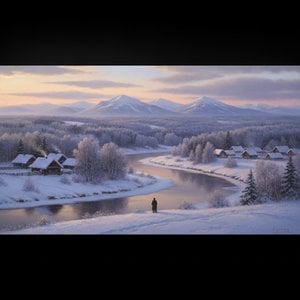
Rani život, obitelj i školovanje
Isaak Ilyich Levitan rođen je 30. kolovoza 1860. godine u shtetlu pod nazivom Kibarty, koji se nalazio u Avgustovskoj guberniji u Kongresnoj Poljskoj, koja je tada bila dio Ruskog carstva. Odrastao je u obitelji koja je bila siromašna, ali koja je negovala duboko poštovanje prema obrazovanju. Njegov otac, Elyashiv Levitan, bio je sin rabina i završio je svoje studije u Jeshiva školi. Takvo podrijetlo pružilo je temelj pismenosti i dubokog razmišljanja, čak i dok se obitelj suočavala s svakodnevnim borbama svoje ekonomske stvarnosti.
Godine 1873. mladi umjetnik upisao je Moskovsku školu slikarstva, skulpture i arhitekture. Njegove rane godine tamo provedene su u odjelu za kopiranje, gdje je učio osnove forme i imitacije. Nakon godinu dana takvog discipliniranog studija, prešao je u naturalistički odjel kako bi počeo razvijati vlastiti način promatranja svijeta. Tijekom tog formativnog razdoblja, radio je pod vodstvom nekoliko značajnih učitelja, uključujući Alexei Savrasov, Vasily Perov i Vasiliya Polenova. Ovi mentori pomogli su u oblikovanju tehničkih vještina koje će definirati njegov kasniji rad.
Tehnika i umjetnički stil
Isaak Levitan je nadrasao puku prikazivanje pejzaža, razvijajući ono što će postati poznato kao "pejzaž raspoloženja". Njegov cilj nije bio samo zabilježiti fizičke značajke ruskog ruralnog područja; umjesto toga, koristio je prirodni svijet kako bi izrazio unutarnje stanje ljudske duše. Njegov pristup snažno se oslanjao na pažljivo primjenjivanje svjetla i boje kako bi potaknuo specifične emocije u promatraču. To je rezultiralo scenama koje često djeluju teško od tihe kontemplacije ili osjećaja bolnog čežnje, hvatajući prolazni trenutak samoće unutar prostranstva prirode.
Njegov tehnički proces bio je ukorijenjen u pedantnom realizmu, no u svoja djela na platnu izrađena uljanim bojama unio je izrazitu, ekspresivnu energiju. Često je radio slobodnim, teksturiranim potezima kistom koji su se slojevali jedan na drugom kako bi izgradili osjećaj atmosfere. Kako bi postigao duboki osjećaj dubine i uhvatio suptilnu, eteričnu kvalitetu svjetla, koristio je tehnike lazure. Slojevitim nanošenjem tankih slojeva boje preko osnovnih slojeva, mogao je stvoriti meke, blistave prijelaze koji se vide u njegovim prikazima sumraka ili svjetlucavoj površini rijeke.
- Olujni dan (1897)
- Prolećna poplava (1897)
- Mesečina (1899)
Krug, rivali i učenici
Levitanov život bio je utkan u čvrsto povezano tkivo kreativnih umova. U društvu Konstantina Korovina, Mihaila Nesterova i arhitekta Fedora Šehtela pronašao je srodne duše. Ta prijateljstva nisu bila puka društvena poznanstva; ona su bila dio zajedničkog jezika forme i osjećaja. Njegova veza s Nikolajem Čehovom, bratom slavnog dramaturga, bila je posebno bliska, pružajući mu stabilnu prisutnost usred složenosti profesionalnog života. Kroz te ljude, Isaak Levitan bio je dio šireg pokreta mislioca i stvaratelja koji su nastojali redefinirati rusku estetiku.
Njegove profesionalne pripadnosti odražavale su duboku posvećenost promjenjivoj umjetničkoj sceni. Godine 1891. postao je član udruženja Peredvizhnici, grupe koja je bila aktivna još od 1870. godine. To ga je udruživanje postavilo među značajni kolektiv umjetnika posvećenih cilju iznošenja umjetnosti narodu. Bio je i član grupe "Svijet umjetnosti", čime je dodatno učvrstio svoje mjesto u intelektualnim strujama tog vremena. Te pripadnosti nisu bile samo titule, već su predstavljale njegovo aktivno sudjelovanje u promjenjivom pejzažu ruske kulture.
Do 1898. godine, njegov utjecaj preselio je iz ateljeja u učionicu. Imenovan je voditeljem studija pejzaža u Moskovskoj školi slikarstva, kiparstva i arhitekture. U toj ulozi pomogao je oblikovati smjer sljedeće generacije, prenoseći tehničke i emocionalne uvide koje je prikupljao tijekom cijele svoje karijere. Poučavao je s istom onom tihom intenzitetom koji je obilježavao njegov vlastiti pristup prirodnom svijetu.
Ključna djela i remek-djela
Levitanova sposobnost da tišinu ruskog ruralnog krajolika pretvori u duboki osjećaj emocije možda je najvidljivija u njegovom djelu iz 1890. godine, Tihi samostan. Ova slika prikazuje skriven samostan smješten u mirnoj šumi, koristeći rijeku i drveni most kako bi pogled usmjerila prema crkvenom tornju. To je prava studija samoće. Slično tome, njegova slika iz 1895. godine, Zlatna jesen, odražava promjene godišnjih doba kroz pažljivo uravnoteženost svjetla i boje. Godine 1897. stvorio je Proljetnu poplavu, djelo koje ostaje značajan dio kolekcije Tretyakov galerije i jasan primjer njegove povezanosti s prirodnim krajolikom.
Kako se njegov stil razvijao, pristup temama postajao je sve složeniji. Vladimirka, ili Vladimirski autoput, nudi mračniji pogled na zemlju, prikazujući put kojim su prolazili oni poslan u kaznene kolonije u Sibir. Ovo djelo nosi težinu koja nadilazi puku scenografiju. Čak i njegova kasnija djela pokazuju promjenu u načinu na koji je obrađivao formu; Olujni dan udaljava se od strogo realističkih prikaza, naginjući radije prema apstraktnijem i emotivnijem izražavanju. Do trenutka kada je 1899. godine dovršio Noć pod mjesečinom, koristio je svjetlo i sjenu kako bi na platnu stvorio duboki osjećaj prisutnosti.
- Tihi samostan (1890)
- Zlatna jesen (1895)
- Proljetna poplava (1897)
- Noć pod mjesečinom (1899)
Naslijeđe i utjecaj
Isaak Levitan promijenio je smjer ruskog pejzažnog slikarstva, odstupajući od puke dokumentacije krajolika prema nečemu daleko osobnijem i dubljem. Postao je centralna figura u razvoju „pejzaža raspoloženja“, stila koji je prirodni svijet koristio kao ogledalo unutarnjeg stanja ljudske duše. Njegova platna često djeluju psihološki ili filozofski, kao da drveće i rijeke odslikavaju tihe, neizrečene misli. Umjesto da se fokusira na veličanstveno ili dramatično, on je dubinu pronašao u suptilnim promjenama svjetlosti i u miru šumskih čistina.
Njegova prisutnost u svijetu umjetnosti duboko je prožlažila kroz njegov rad u podukstu i povezanost s pokretom Peredvizhniki. Vodio je studio pejzaža u Moskovskoj školi slikarstva, kiparstva i arhitekture, pomažući da oblikuje način na koji će buduće generacije doživljavati ruski krajolik. Njegovo djelo ostaje temelj ruskog umjetničkog naslijeđa, bilježeći specifičan osjećaj nacionalnog identiteta kroz prikazivanje ravnica i šuma. Čak i u svojim kasnijim godinama, njegov pristup koloru i svjetlu nastavio je utjecati na to kako umjetnici prevode atmosferu mjesta na platno.
- The Vladimirka (Vladimirska cesta)
- Stormy Day (Olujni dan)
- Golden Autumn (Zlatna jesen)
- Spring Flood (Prolećna poplava)
Pitanja i odgovori
U kojem je povijesnom razdoblju stvarala/radio Isaak Levitan?
Isaak Levitan je stvarala u razdoblju 19. stoljeće. To razdoblje smješta umjetnikov rad u povijesni kontekst.
Odakle dolazi Isaak Levitan?
Isaak Levitan rođen/a je u Litva.
U kojim je umjetničkim pravcima Isaak Levitan stvarala/o?
Stranica Svi umjetnički pravci grupirana je prema umjetničkim pravcima i sadrži djela umjetnika Isaak Levitan.