A Visionary Gardener and Painter: Coplestone Warre Bampfylde
Coplestone Warre Bampfylde (1720–1791) stands as a singular figure in British art history—a man whose legacy transcends the canvas, firmly rooted in the meticulously crafted landscapes of Hestercombe House and imbued with an aesthetic sensibility that captivated his contemporaries. Born into a wealthy Somerset family steeped in tradition, Bampfylde’s life unfolded against the backdrop of the Enlightenment, shaping him into both a discerning landowner and a prolific artist who left an indelible mark on the visual culture of his era.
His formative years were spent at Blundell's School and Winchester College, equipping him with a grounding in classical scholarship and fostering an appreciation for intellectual pursuits—qualities that would inform his artistic endeavors throughout his life. Following the untimely death of his father, John Bampfylde, he inherited Hestercombe House, a sprawling estate originally belonging to his mother’s family, marking the commencement of a transformative project: the reimagining of its gardens into a masterpiece of Gothic landscape design. This ambitious undertaking wasn't merely about beautification; it represented a deliberate embrace of Romantic ideals—a yearning for sublime grandeur and an engagement with the dramatic forces of nature. Influenced by artists like Claude Lorrain and Nicolas Pocock, Bampfylde painstakingly sculpted the grounds into a breathtaking panorama of serpentine lakes, cascading waterfalls, and meticulously pruned shrubs, creating a space that embodies the spirit of the age. The resulting gardens are now recognized as Grade I listed on the English Heritage Register, testament to their enduring beauty and historical significance.
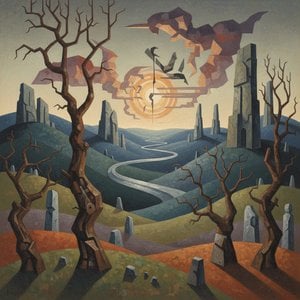
Beyond his horticultural achievements, Bampfylde possessed considerable artistic talent—a passion he pursued with unwavering dedication. He exhibited his paintings at several prominent societies, including the Society of Artists, the Free Society of Artists, and crucially, the Royal Academy between 1763 and 1783. While his output wasn’t voluminous compared to some of his peers, his works—primarily landscape sketches imbued with a characteristic Gothic style—demonstrate a remarkable command of tonal subtlety and compositional innovation. Notably, he produced “Gothic Alcove Sketches,” evocative depictions of secluded woodland interiors bathed in ethereal light, reflecting the Romantic fascination with melancholy beauty and psychological depth. These sketches stand out for their expressive use of chiaroscuro—the interplay between light and shadow—a technique honed by observing the masterful practitioners of his time.
Furthermore, Bampfylde’s artistic inclinations extended beyond painting into printmaking. He collaborated with William Hassel to etch landscapes inspired by his own observations, capturing the grandeur of Somerset's countryside with precision and artistry. Perhaps most famously, he contributed humorous illustrations for Christopher Anstey’s election ball in 1776—a project that showcased his versatility as an artist and cemented his reputation as a witty commentator on social conventions. He also undertook the design commission for Taunton Market House in 1772, demonstrating his ability to translate aesthetic vision into practical architectural solutions.
Coplestone Warre Bampfylde’s artistic legacy rests not only upon his paintings but also upon his profound influence on the development of Gothic landscape gardening—a movement that reshaped perceptions of beauty and celebrated the sublime power of nature. His work serves as a poignant reminder of the interconnectedness between art, science, and social ideals during the Enlightenment, securing his place as one of Britain’s most distinguished artists and garden designers of the eighteenth century.