The Psychology of Color: Setting the Emotional Tone
 The Curated Interior: Emotional Resonance & Spatial Harmony Through Art Display
Discover how art transforms interiors into emotionally resonant spaces. Expert guidance on curation, bespoke commissions & the psychology of design for luxury homes. Elevate your space with WahooArt.
Color is, perhaps, the most immediate and visceral element of interior design. It bypasses intellectual analysis, speaking directly to our subconscious and evoking a cascade of emotions, memories, and associations. For millennia, humans have intuitively understood this power – from the ochre pigments adorning prehistoric cave walls to the vibrant frescoes of Renaissance palaces, color has been employed not merely for aesthetic pleasure but as a potent tool for shaping experience. Consider the warm embrace of terracotta in Tuscan villas, designed to reflect the sun-drenched landscape and foster a sense of convivial warmth, or the cool blues and greens favored in ancient Egyptian tombs, symbolizing rebirth and tranquility. Understanding these inherent psychological effects is paramount when curating an interior space; it’s about more than simply choosing hues that ‘look nice,’ but rather orchestrating an atmosphere that resonates with your desired mood and purpose.
The foundations of our understanding lie in color theory, a historical body of knowledge refined over centuries. Sir Isaac Newton's experiments with prisms revealed the spectrum inherent within white light, laying the groundwork for the color wheel – a visual map of relationships between primary, secondary, and tertiary colors. However, it was Johann Wolfgang von Goethe who truly delved into the *subjective* experience of color in his “Theory of Colors,” exploring how different hues impact human perception and emotion. Red, often associated with passion, energy, and even danger, can stimulate conversation and invigorate a space – but too much can feel overwhelming. Conversely, blues and greens evoke calmness, serenity, and connection to nature, making them ideal for bedrooms or spaces intended for relaxation. Yellows, while cheerful, require careful consideration; a bright yellow can be uplifting, yet an overly saturated shade may induce anxiety. The key is balance – understanding how colors interact with one another and the overall context of the room.
Beyond individual hues, consider the *value* (lightness or darkness) and *intensity* (saturation) of a color. A muted palette of soft grays and creams can create a sophisticated, understated elegance, while bolder, more saturated tones demand attention and inject personality. The interplay between these elements is crucial; a single vibrant accent piece against a neutral backdrop can draw the eye and create focal points, whereas an entire room painted in intense colors may feel chaotic or oppressive. Ultimately, successful color selection isn’t about adhering to rigid rules but rather cultivating a harmonious balance that reflects your personal aesthetic and desired emotional impact.
Scale & Proportion: Achieving Visual Balance in Your Space
Once the foundational emotional tone is established through color, attention must turn to scale and proportion – the architectural principles governing visual harmony. A painting that overwhelms a small room will feel claustrophobic, while a diminutive artwork lost on a vast wall will appear insignificant. The relationship between the artwork, the surrounding space, and the furniture within it is critical. Historically, grand palaces employed monumental artworks to emphasize power and authority, filling expansive walls with narratives of conquest and divine right. Conversely, intimate salons favored smaller-scale pieces that encouraged contemplation and conversation.
Consider the ‘golden ratio’ – a mathematical principle found throughout nature and art, often used to create aesthetically pleasing compositions. Applying this principle to interior design involves ensuring that the artwork's dimensions are in harmonious proportion to the wall it adorns and the furniture below. A good rule of thumb is to leave ample negative space around the artwork, allowing it to ‘breathe’ and draw attention without feeling crowded. The height of the artwork should also be considered relative to eye level; generally, the center of the piece should be approximately 60-64 inches from the floor. However, this can be adjusted based on ceiling height and furniture arrangement.
Beyond dimensions, consider the *weight* of the artwork – its visual density and complexity. A heavily detailed oil painting will command more attention than a minimalist abstract piece. Balance is key; if you’re using a large-scale artwork with significant weight, counterbalance it with other elements in the room, such as furniture arrangement or complementary accessories. Conversely, smaller artworks can be grouped together to create a visual impact – a gallery wall, for example, allows you to curate a collection of pieces that complement one another and tell a cohesive story.
Subject Matter & Style: Reflecting Personality & Narrative
The subject matter and style of an artwork are powerful conveyors of personality and narrative. A landscape painting can evoke feelings of tranquility and connection to nature, while a portrait can add a sense of intimacy and history to a space. Abstract art, on the other hand, offers a more open-ended interpretation, allowing viewers to project their own emotions and experiences onto the canvas. The choice should reflect your personal taste and the overall aesthetic you’re striving for.
Throughout history, different styles have been associated with specific cultural values and philosophical movements. Renaissance art often depicted religious themes and idealized human forms, reflecting a renewed interest in classical antiquity. Impressionism captured fleeting moments of light and color, celebrating the beauty of everyday life. Modern art challenged traditional conventions, embracing abstraction and experimentation. Understanding these historical contexts can enrich your appreciation for the artwork and inform your selection process.
Consider how the subject matter resonates with your own experiences and interests. A seascape might be particularly meaningful if you have a strong connection to the ocean, while a portrait of a beloved artist could inspire creativity and contemplation. Don’t be afraid to choose pieces that evoke personal memories or tell a story – art should be more than just decoration; it should be a reflection of your unique identity.
Color Palettes: Harmonious Combinations for Interior Design
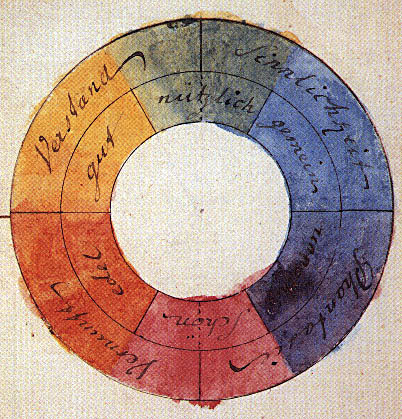 Wikipedia: Color theory
Color theory, or more specifically traditional color theory, is a historical body of knowledge describing the behavior of colors, namely in color mixing, color contrast effects, color harmony, color schemes and color symbolism. Modern color theory is...
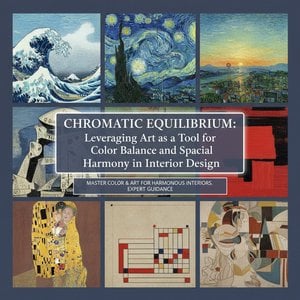
Creating a harmonious color palette is essential for achieving visual cohesion in an interior space. While individual colors can evoke specific emotions, the interplay between them is what truly defines the atmosphere. Complementary color schemes – those featuring hues opposite each other on the color wheel (e.g., red and green, blue and orange) – create a vibrant, high-contrast effect. Analogous color schemes – those using adjacent hues (e.g., blue and green, yellow and orange) – offer a more subtle, harmonious balance.
Triadic color schemes – featuring three evenly spaced hues on the color wheel – provide a dynamic yet balanced aesthetic. However, it’s important to use these schemes with caution; too many vibrant colors can feel overwhelming. A good approach is to choose one dominant hue and use the others as accents. Monochromatic color schemes – using variations of a single hue – create a sophisticated, understated elegance.
Consider the psychological effects of different color combinations. Warm palettes (e.g., reds, oranges, yellows) evoke energy and excitement, while cool palettes (e.g., blues, greens, purples) promote calmness and relaxation. Neutral palettes (e.g., grays, creams, whites) provide a versatile backdrop for showcasing other elements in the room. The key is to experiment with different combinations and find what resonates with your personal taste and desired mood.
Bespoke Commissions: Creating Art Tailored to Your Vision
For those seeking truly unique artwork, a bespoke commission offers the opportunity to collaborate directly with an artist and create a piece tailored to their specific vision. This allows for complete control over subject matter, style, size, and color palette – ensuring that the artwork perfectly complements your interior space.
The process typically begins with a consultation, where you discuss your ideas and preferences with the artist. It’s helpful to provide reference images, sketches, or examples of artworks that inspire you. The artist will then create a preliminary sketch or mockup for your approval before beginning the final painting. This ensures that you’re completely satisfied with the composition and overall aesthetic.
Bespoke commissions offer several advantages over purchasing pre-existing artwork. You can choose a subject matter that is personally meaningful, select a style that perfectly matches your décor, and customize the size and dimensions to fit your space. It also allows you to support emerging artists and contribute to the creation of something truly unique.
Navigating Trends vs. Timelessness: A Lasting Aesthetic
Interior design trends come and go, but a truly timeless aesthetic transcends fleeting fashions. While it’s tempting to embrace the latest colors or styles, it’s important to consider longevity – choosing pieces that will remain relevant and beautiful for years to come.
Classic artworks from renowned masters have endured for centuries because they possess inherent beauty and emotional resonance. Investing in reproductions of these masterpieces can add a sense of sophistication and history to your space. However, this doesn’t mean you should shy away from contemporary art altogether; the key is to choose pieces that are well-executed and reflect your personal taste.
A good approach is to create a foundation of timeless classics and incorporate smaller doses of trendy elements as accents. This allows you to stay current without sacrificing long-term appeal. Ultimately, the most important thing is to choose artwork that you love – pieces that evoke positive emotions and enhance your overall quality of life.
At WahooArt.com, we believe that art should be accessible to everyone. We offer a vast collection of hand-painted reproductions and museum-quality prints, customized to your exact specifications. Whether you’re seeking a classic masterpiece or a bespoke commission,