
BESPLATNE UMJETNIČKE KONSULTACIJE


x

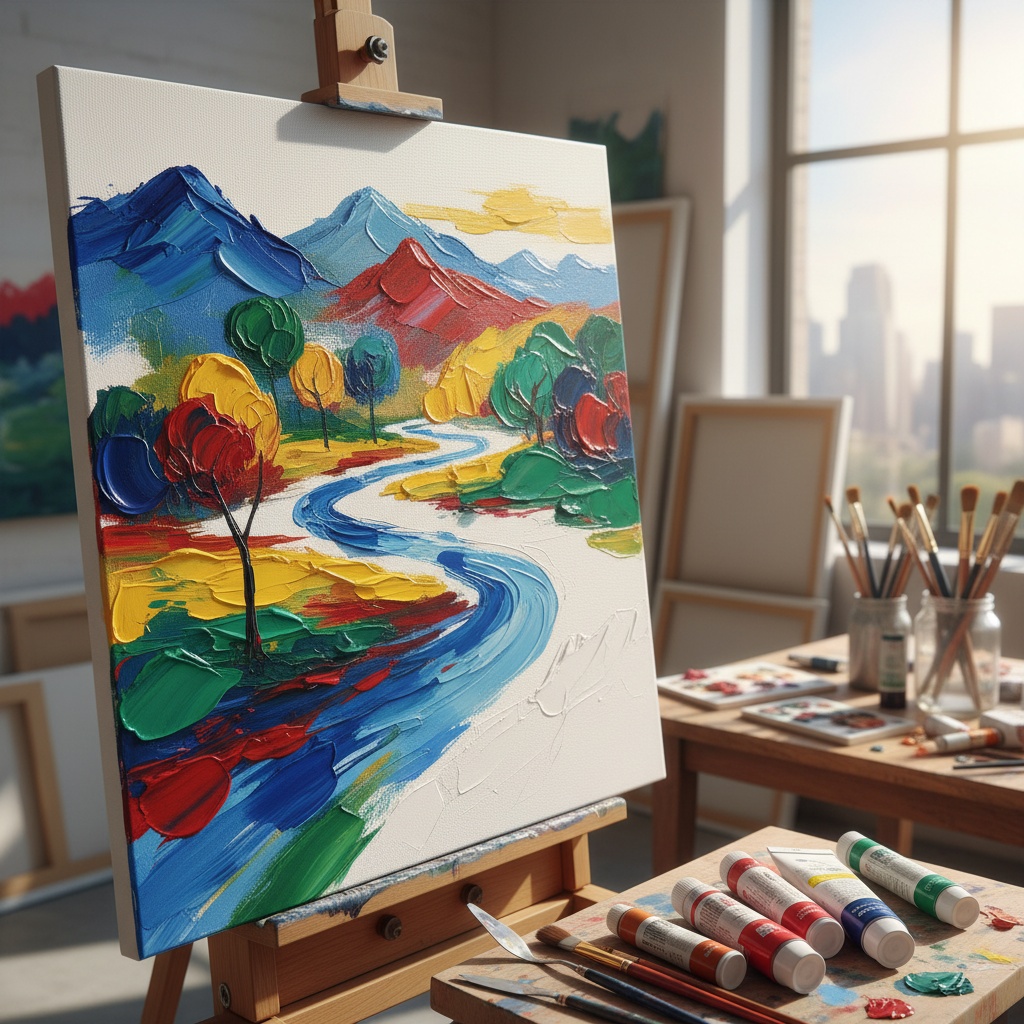
Acrylic paint is a fast-drying paint made of pigment suspended in acrylic polymer emulsion and plasticizers, silicone oils, defoamers, stabilizers, or metal soaps. Most acrylic paints are water-based, but become water-resistant when dry. Depending on...
The story of acrylic painting is, perhaps surprisingly, a tale rooted not in the hallowed halls of artistic tradition but in the pragmatic world of industrial chemistry. While oil paint reigned supreme for centuries, its slow drying time and demanding solvent requirements presented inherent limitations. The early 20th century witnessed a burgeoning demand for faster-drying, water-based alternatives – initially for commercial applications like house paints and automotive coatings. Otto Röhm’s invention of acrylic resin in the 1930s laid the groundwork, but it was the post-war era that truly ignited the revolution. Leonard Bocour and Sam Golden, recognizing the potential beyond mere utility, developed Magna paint in 1946, a mineral spirit-based acrylic offering artists a novel medium with unique properties. This marked the genesis of artist-grade acrylics, though widespread adoption would take time. The initial appeal lay in its versatility – a capacity to mimic both watercolor’s fluidity and oil’s richness, all while circumventing their respective drawbacks. Early pioneers like Diego Rivera, David Alfaro Siqueiros, and José Clemente Orozco embraced the durability of acrylic for monumental murals, foreshadowing its future as a medium capable of grand scale and lasting impact.
Canvas is an extremely durable plain-woven fabric used for making sails, tents, marquees, backpacks, shelters, as a support for oil painting and for other items for which sturdiness is required, as well as in such fashion objects as handbags, electro...
The choice of support is inextricably linked to the evolution of painting itself. For centuries, wooden panels provided a rigid foundation, favored by early Renaissance masters for their precise detail. However, canvas gradually ascended in prominence, offering portability and economy – particularly appealing for large-scale works destined for country estates. Historically woven from hemp, modern canvas predominantly utilizes cotton or linen, each possessing distinct characteristics that influence the final artwork. Cotton duck, with its tighter weave and more uniform texture, became a favored alternative to linen as acrylic paints gained traction. Linen, however, retains a revered status among many artists due to its inherent strength and subtle surface variations. The term “duck” itself originates from the Dutch word for cloth, doek, highlighting the medium’s historical roots in textile production. Crucially, canvas isn't merely a passive recipient of paint; it actively participates in the artistic process. Its weave, tension, and priming all contribute to the artwork’s texture, handling, and longevity. The preparation of the canvas – typically with gesso – is paramount, creating a barrier between the paint and the fabric while providing an optimal surface for adhesion. A traditional chalk gesso composed of lead carbonate and linseed oil offered flexibility but posed toxicity concerns; modern alternatives utilizing titanium white pigment and calcium carbonate provide safer options, though often with reduced elasticity.
Acrylic’s true power lies in its astonishing versatility. Unlike more prescriptive mediums, acrylic invites experimentation, allowing artists to achieve a breathtaking spectrum of effects. Diluted with water, it can emulate the delicate washes of watercolor, creating ethereal layers and luminous glazes. Thickened with gels and pastes, it gains sculptural dimensionality, capable of impasto textures rivaling oil paint. This adaptability stems from its unique chemical composition – an acrylic polymer emulsion that binds pigment while remaining water-soluble when wet and remarkably durable once dry. Artists can manipulate drying times through the addition of retarders or accelerators, controlling the flow and blending characteristics of the paint. The use of mediums extends far beyond simple viscosity adjustments; they introduce texture, gloss variation, and even collage elements into the artwork. Pouring techniques, pioneered by artists like Helen Frankenthaler, exploit acrylic’s fluidity to create mesmerizing abstract compositions. The ability to stain directly onto unprimed canvas – a practice favored by many Color Field painters – further demonstrates its unique properties, allowing pigment to become intimately interwoven with the fabric itself. This inherent flexibility allows for layering, glazing, dry brushing, and countless other techniques, making acrylic an ideal medium for both representational and abstract styles.
Modernism was an early 20th-century movement in literature, visual arts, performing arts, and music that emphasized experimentation, abstraction, and subjective experience. Philosophy, politics, architecture, and social issues were all aspects of thi...
The rise of Modernism provided fertile ground for acrylic’s flourishing. The movement's emphasis on experimentation, abstraction, and subjective experience resonated deeply with the medium’s inherent qualities. Artists sought to break free from traditional constraints, exploring new forms of expression that reflected the anxieties and dynamism of the 20th century. Sam Gilliam’s monumental “Swing” (1969) exemplifies this spirit – a vibrant cascade of draped canvas imbued with abstract energy. Cy Twombly's "Untitled V (Green Paintings)" showcases acrylic’s capacity for gestural abstraction, employing drips and gravity to create captivating Op Art effects. Morris Louis, a leading figure in Color Field painting, pioneered the “veil paintings,” pouring thinned acrylic onto unprimed canvas, allowing color to flow and blend in mesmerizing patterns. Robert Ryman pushed the boundaries of minimalism with his white-on-white abstractions, challenging perceptions of form and texture through subtle variations in paint application. Later artists like Tomma Abts continued this exploration, layering geometric forms and employing unique titling conventions derived from German names. These figures weren’t simply adopting a new medium; they were redefining the very language of painting itself, harnessing acrylic's potential to express complex ideas and emotions.
Today, acrylic continues to thrive as a vital force in contemporary art. Its accessibility, versatility, and durability have made it a favorite among artists across diverse styles and disciplines. From large-scale murals transforming urban landscapes to intricate gallery paintings pushing the boundaries of abstraction, acrylic’s presence is undeniable. The medium's adaptability extends beyond traditional canvas; it finds application on wood, metal, paper, and even unconventional surfaces. The rise of custom artwork – particularly photo-to-painting services offered by WahooArt.com – demonstrates a growing demand for personalized art experiences, allowing individuals to transform cherished memories into unique masterpieces. Furthermore, the increasing focus on sustainability has spurred innovation in eco-friendly acrylic formulations and production methods. As artists continue to explore new techniques and push creative boundaries, acrylic’s future remains bright. Its capacity to evolve alongside artistic expression ensures its enduring relevance as a medium capable of capturing the spirit of our time – and inspiring generations to come. Explore the possibilities at WahooArt.com and discover how acrylic can transform your space with museum-quality reproductions and custom creations.
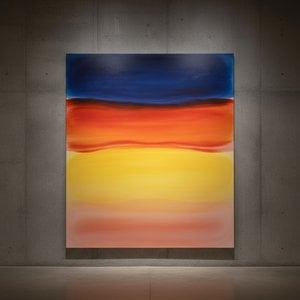
Explore the profound emotional depth of Mark Rothko's abstract expressionism. Discover the history, techniques & lasting impact of this pivotal Color Field painter. Expert insights for collectors and art enthusiasts.

Explore the evolution of abstract painting with WahooArt. Discover key artists, historical context & investment insights. Find museum-quality reproductions and expert appraisal services.

Explore the groundbreaking abstract expressionism of Morris Louis, a pioneer of Color Field painting. Discover his innovative techniques, influential series & lasting legacy in post-war American art. Learn more at WahooArt.

Explore the rich history of painting! Discover master techniques from Renaissance to Modern art. Find museum-quality reproductions & expert advice at WahooArt.

Explore the captivating world of Paul Jenkins, a pioneer of abstract expressionism & color field painting. Discover his unique ‘Phenomena’ series and investment potential for art collectors. Expert insights at WahooArt.


Budite u tijeku s najnovijim umjetničkim vijestima, ekskluzivnim ponudama i idejama za dekoraciju.
Recite nam nešto o svom projektu, a naši će stručnjaci za umjetnost pripremiti 3 personalizirana prijedloga umjetnina.
Dopustite nam da odaberemo 3 opcije samo za Vas – Besplatno!


