Richard Phelps, 1710 – 1785

9 najpoznatijih djela Richard Phelps

Slika koja je proslavila Richard Phelps je Peregrine Palmer (1703 1704–1762), DCL (1764); nalazi se u muzeju Examination Schools, Oxford. Portrait of an Unknown Gentleman (1751) i Thomas Goldney III (1751) slijede nakon njih u srcima kolekcionara i posjetitelja muzeja. Od 9 djela umjetnika Richard Phelps u našem katalogu, ovih 9 najcenjenijih, a svako je predstavljeno s datumom nastanka, muzejom i onim što ga izdvaja.

Rangirano prema našoj ocjeni popularnosti, koja objedinjuje broj pretraživanja, posjeta i narudžbi za svako djelo. Ažurirano Listopad 2026. Svako remek-dielo na ovoj stranici može se naručiti kao ručno oslikana uljana reprodukcija muzejske kvalitete ili kao umjetnička štampa, u dimenzijama koje odaberete.

Portret Richard Phelps
Richard Phelps · 1710 – 1785
Rođen · umro
1710 – 1785, Porlock
Djela u našem katalogu
9
Najpoznatije
Peregrine Palmer (1703 1704–1762), DCL (1764)
Najviše djela u
Dunster Castle

Richard Phelps: deset remek-diela

Gdje vidjeti slike umjetnika Richard Phelps

4 muzeja u kojima se nalazi najviše djela s ove stranice.

Muzej Grad Djela autora Richard Phelps Slike iz ovog popisa
Dunster CastleDunster Castle 4 Margaret Luttrell (1747–1792), Mrs John Henry Southcote, as a Child, Margaret Luttrell (1726–1766), Mrs Henry Fownes Luttrell, Margaret Luttrell (1726–1766), Mrs Henry Fownes Luttrell
Examination Schools, OxfordExamination Schools Oxford 1 Peregrine Palmer (1703 1704–1762), DCL
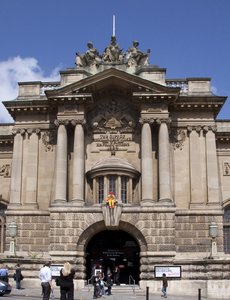
Bristol Museum - Art Gallery, BristolBristol Museum - Art Gallery Bristol 1 Thomas Goldney III
National Portrait Gallery, LondonNational Portrait Gallery London 1 Bampfylde Moore Carew

Richard Phelps, godinu po godinu: kultna djela

Richard Phelps je slikao 15 godina, od 1750 do 1764: evo najizvornijih djela iz svake godine.

  1. 1750
  2. 1751
  3. 1751
  4. 1764
    Peregrine Palmer (1703 1704–1762), DCL (1764) od Richard Phelps
    Rang 1 od 9

    Peregrine Palmer (1703 1704–1762), DCL

    Godine 54 · Examination Schools

    This oil painting is titled Peregrine Palmer (1703 1704–1762), DCL. The portrait was executed by the artist Richard Phelps. It dates to about 1764. The work is held…

Remek-djela umjetnika Richard Phelps: pitanja i odgovori

Po kojem je slikarstvu Richard Phelps najpoznatiji/a?Prikaži odgovor

Peregrine Palmer (1703 1704–1762), DCL (1764), Examination Schools, Oxford. Sljedeći su Portrait of an Unknown Gentleman (1751) i Thomas Goldney III (1751).

Koliko je godina Richard Phelps imao/la kada je slikao/la Peregrine Palmer (1703 1704–1762), DCL?Prikaži odgovor

54 godina: Peregrine Palmer (1703 1704–1762), DCL datira iz 1764, a Richard Phelps je rođen/a 1710.

Koliko je djela naslikao Richard Phelps?Prikaži odgovor

Naš katalog sadrži 9 djela umjetnika Richard Phelps, datiranih od 1750 do 1764.

U kojim muzejima mogu vidjeti remek-djela umjetnika Richard Phelps?Prikaži odgovor

Većina njih se nalazi u Dunster Castle, Examination Schools (Oxford) i Bristol Museum - Art Gallery (Bristol). Gornja tablica navodi muzeje jedan po jedan.

Kada je Richard Phelps naslikao svoja remek-djela?Prikaži odgovor

U razdoblju 1751: 2 od ukupno 9 djela na ovoj stranici datira iz tog vremena, među kojima je i Portrait of an Unknown Gentleman.

Koja su prva i posljednja poznata djelo Richard Phelps?Prikaži odgovor

Najstarije djelo na ovoj stranici je iz Bampfylde Moore Carew (1750), a najnovije iz Peregrine Palmer (1703 1704–1762), DCL (1764).

Koja se remek-djela Richard Phelps nalaze u muzeju Dunster Castle?Prikaži odgovor

Margaret Luttrell (1747–1792), Mrs John Henry Southcote, as a Child, Margaret Luttrell (1726–1766), Mrs Henry Fownes Luttrell i Margaret Luttrell (1726–1766), Mrs Henry Fownes Luttrell su među 4 djela na ovoj stranici koja se nalaze u muzeju Dunster Castle.

Mogu li posjedovati reprodukciju remek-djela autora Richard Phelps?Prikaži odgovor

Da. Svako djelo na ovoj stranici možete naručiti kao ručno oslikano ulje na platnu muzejske kvalitete ili kao umjetničku tisku, u odabranoj veličini, izravno sa stranice samog djela.

Život umjetnika Richard Phelps

Richard Phelps (1710-1785): A Portraitist of Somerset’s Gentry

Richard Phelps was a singular figure in the artistic landscape of 18th-century England, primarily recognized for his meticulous portraiture and significant contributions to landscape design—particularly at Dunster Castle. Born around 1710, Phelps emerged from Porlock, Somerset, establishing himself as a respected artist whose career spanned decades and yielded an impressive body of work encompassing portraits, landscapes, and decorative commissions. His artistic journey began under the tutelage of Thomas Hudson and Sir Joshua Reynolds, two titans of British painting who instilled in him foundational principles of observation and technique—skills that would define his distinctive style.
  • Early Training & Influences: Phelps’s formative years were spent honing his craft alongside Reynolds and Hudson, absorbing the stylistic nuances of Rococo and Neoclassical aesthetics. These masters championed idealized beauty and dramatic composition, shaping Phelps's artistic sensibilities profoundly.
  • Dunster Castle Legacy: Perhaps Phelps’s most enduring achievement lies in his revitalization of Dunster Castle’s grounds for Henry Fownes Luttrell. He undertook a monumental task—transforming the castle’s sprawling estate into a harmonious blend of formal gardens and picturesque landscapes, reflecting the grandeur of Luttrell Manor and establishing Phelps as a leading landscape designer of his time.
  • Portraiture & Patronage: Phelps cultivated relationships with prominent families across Somerset and beyond, securing commissions to depict members of the gentry—a genre characterized by its emphasis on dignity, restraint, and psychological insight. His portraits captured not merely likenesses but also conveyed character and social status, cementing his reputation as a skilled portraitist.
  • Notable Works & Exhibitions: Phelps’s oeuvre includes celebrated canvases such as “Bampfylde Moore Carew,” engraved by Faber—a testament to his artistic prowess and the esteem in which he was held by fellow artists and connoisseurs. He exhibited regularly at the Society of Artists in London, showcasing his diverse talents and furthering his artistic visibility.
  • Legacy & Recognition: Phelps’s meticulous drawings—including depictions of George, Thomas, Mrs Mary Carew, and Elizabeth Carew Bernard—are housed in the British Museum's extensive album, representing a remarkable record of his artistic output. His work continues to inspire admiration for its elegance, precision, and sensitivity to natural beauty.

A Landscape Designer Shaping Somerset’s Estate

Beyond his portraiture, Phelps possessed considerable skill in landscape design, notably demonstrated during his involvement with Dunster Castle. He skillfully blended formal gardens—designed for visual impact and social prestige—with informal landscapes that celebrated the region's natural splendor. This harmonious fusion exemplifies Phelps’s artistic vision—one rooted in observation, understanding of aesthetics, and a desire to elevate the environment.

The British Museum Album: A Treasure Trove of Drawings
  • Composition & Technique: Phelps's drawings reveal an exceptional command of line and tonal gradation, reflecting Reynolds’s influence. His meticulous attention to detail—evident in sketches of John Popham—underscores his dedication to capturing the essence of his subjects with accuracy and nuance.
  • Subjects & Themes: The British Museum album showcases Phelps's artistic range—spanning portraits of noblemen, self-portraits, landscapes imbued with atmospheric perspective, and genre scenes depicting everyday life. These works offer invaluable insights into the visual culture of the era.

Connections & Collaborations

Phelps’s artistic pursuits intersected with influential figures of his time—including Henry Luttrell and George Frideric Handel. His correspondence reveals a keen engagement with intellectual currents and artistic debates, demonstrating his role as a participant in the broader cultural landscape of 18th-century Britain.