


Une symphonie baroque d'art et de pouvoir
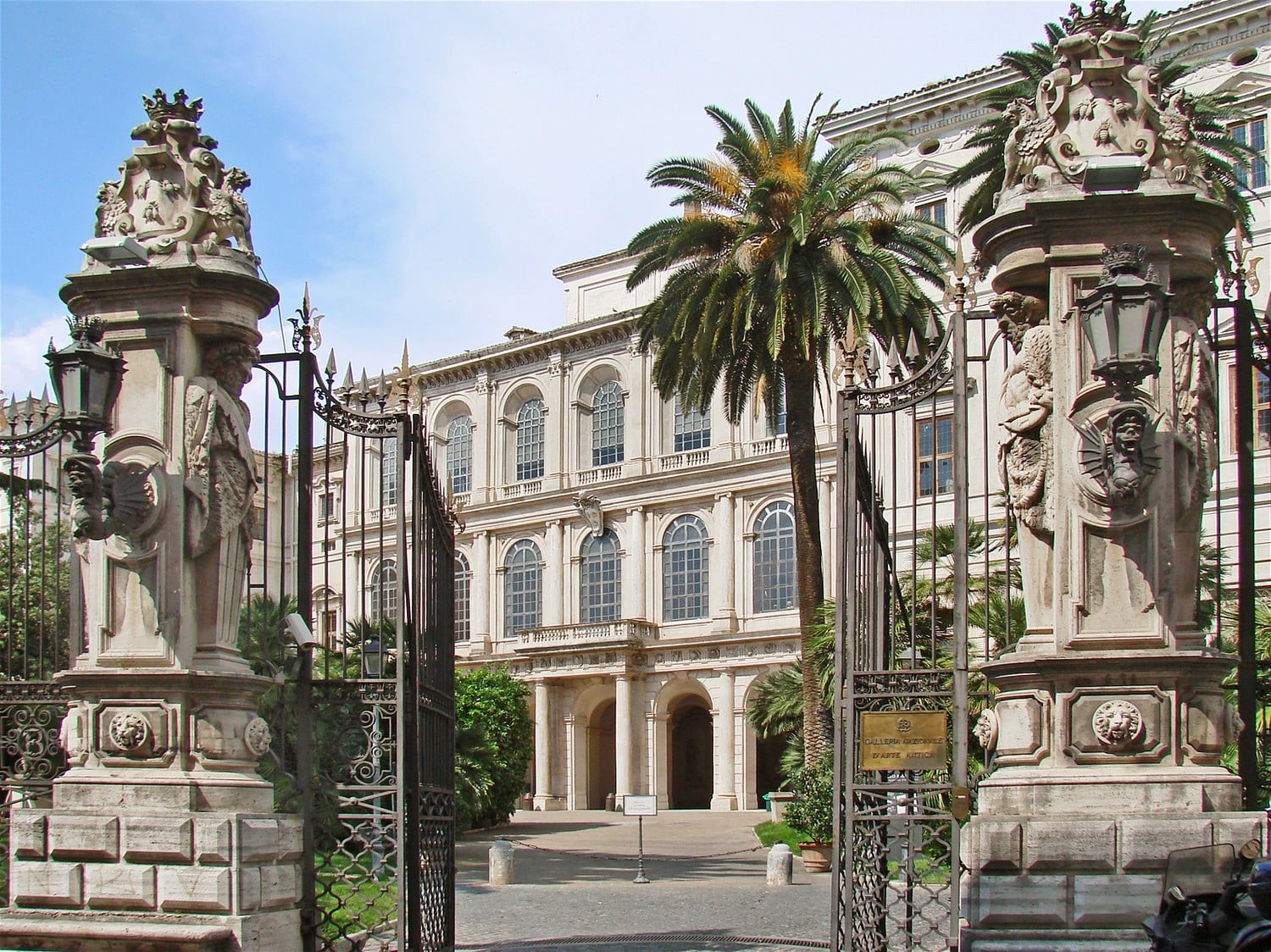
Le Palazzo Barberini est bien plus qu'un simple monument de pierre et de mortier ; c'est un voyage immersif au cœur même de la ferveur artistique baroque de l'Italie. Situé dans le pouls historique de la Piazza Barberini à Rome, ce palais incarne l'ambition démesurée du mécénat papal, représentant l'apogée absolu de l'innovation baroque sous les règnes des papes Urbain VIII et Clément XIV. La structure elle-même agit comme un narrateur silencieux d'une époque définie par la grandeur, où l'expérimentation architecturale rencontrait le divin. Conçu grâce au génie collaboratif rare des titans Carlo Maderno, Francesco Borromini et Gian Lorenzo Bernini, l'ossature même du palais témoigne d'une période qui cherchait à effacer les frontières entre la réalité et le sublime.
La genèse de ce chef-d'œuvre réside dans le zèle visionnaire du cardinal Francesco Barberini, neveu du pape Urbain VIII. Animé par un objectif unique et audacieux : surpasser la splendeur de Versailles et consolider le statut de Rome comme épicentre artistique incontesté de l'Europe, il commanda une œuvre qui allait redéfinir la perception spatiale. La contribution de Borromini est particulièrement révolutionnaire ; sa création de la forme elliptique de la Sala Centrale a rejeté les conventions symétriques rigides du passé, ouvrant la voie à l'utilisation d'illusions spatiales qui continuent de captiver les architectes et les designers aujourd'hui. Cette audace architecturale est équilibrée par l'élégance classique de Maderno, créant un dialogue harmonieux entre stabilité structurelle et mouvement théâtral, véritable signature de l'esthétique baroque.
Un trésor du patrimoine italien
Au cœur du palais se trouve la Galleria Nazionale d’Arte Antica, un dépositaire époustouflant de trésors artistiques inégalés légués à l'État italien. Déambuler dans ces galeries, c'est être témoin de l'évolution continue de la maîtrise italienne, de la Renaissance jusqu'à l'apogée du Baroque. La collection offre un panorama sans précédent de l'émotion humaine et de la perfection technique. On ne peut échapper à l'attraction magnétique de la Fornarina de Raphaël, un portrait qui capture un aperçu tendre et intime de la vie personnelle de l'artiste, ou au drame viscéral des récits bibliques du Caravage. Dans des œuvres telles que Judith et Holopherne , l'utilisation magistrale du chiaroscuro —ce jeu dramatique d'ombre et de lumière—élève la scène vers un crescendo émotionnel qui résonne encore auprès des spectateurs modernes.
Ce festin visuel s'étend au-delà de la toile pour entrer dans le domaine du génie tridimensionnel. Les sculptures de Bernini, y compris ses bustes monumentaux célébrant l'autorité papale, témoignent d'un sculpteur capable de insuffler la vie au marbre froid, transmettant une profondeur psychologique et un mouvement profonds. Au-dessus, le plafond de la Sala Centrale éclate avec le Triomphe de la Providence Divine de Pietro da Cortona, un spectacle de couleurs et de compositions qui sert de fenêtre céleste, reflétant les convictions théologiques et l'excès décoratif pur de l'époque. Pour le collectionneur ou le designer d'intérieur, ces œuvres représentent la norme ultime de la beauté classique et le pouvoir transformateur de l'art au sein d'un espace soigneusement orchestré.
Grandeur architecturale et splendeur décorative
L'expérience du Palazzo Barberini ne se limite pas à ses galeries, elle est tissée dans la trame même de ses détails décoratifs. Le palais est une merveille architecturale, présentant des façades élégantes sculptées par Alessandro Falconetti et des escaliers monumentaux conçus par Bernini lui-même—une ascension dynamique et tourbillonnante qui symbolise l'élévation spirituelle. Chaque recoin du domaine offre une rencontre sensorielle ; le palais abrite une collection remarquable d'arts décoratifs, comprenant des textiles tissés de motifs complexes et des céramiques embellies de teintes vibrantes et pleines de vie. Les panneaux de bois incrustés, affichant un savoir-faire exquis, soulignent davantage l'engagement baroque envers une expérience sensorielle totale.
Aujourd'hui, le palais demeure une institution vivante, entretenant un dialogue continu entre le passé et le présent à travers la recherche scientifique et les expositions thématiques. Que l'on explore les nuances du portrait baroque ou la grâce délicate de la sculpture de la Renaissance, les visiteurs sont invités à participer à un héritage de beauté. Pour ceux en quête d'inspiration, le Palazzo Barberini offre bien plus qu'une simple visite de musée ; il propose une rencontre profonde avec le pouvoir durable de la créativité, faisant de ce lieu un pèlerinage essentiel pour quiconque est captivé par l'intersection de l'histoire, de l'architecture et du sublime.


