


Un bastion de la finance et de l'art britanniques : exploration du Bank of England Museum
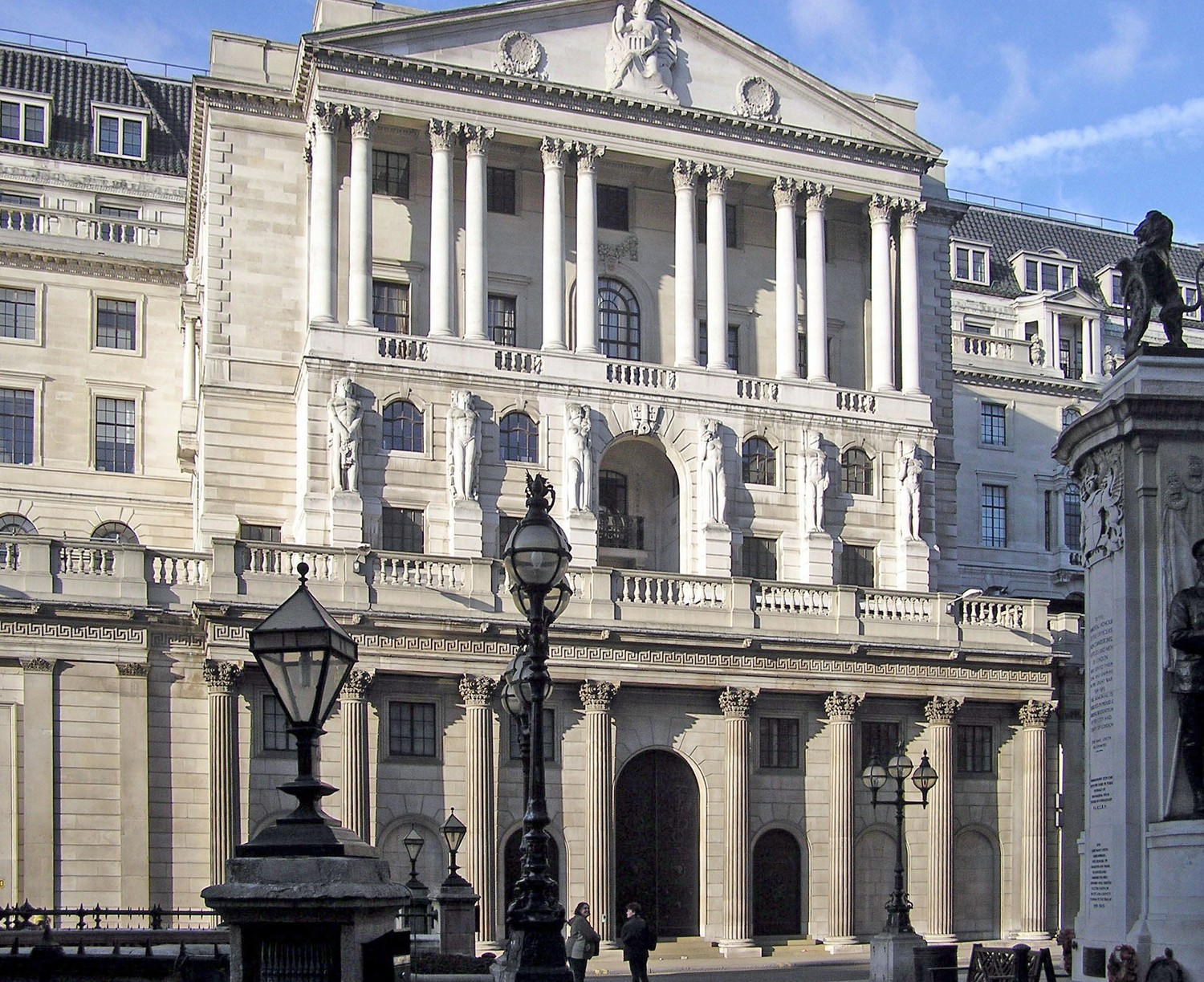
Niché au cœur du centre financier palpitant de Londres, le Bank of England Museum dévoile une tapisserie artistique d'une richesse surprenante, tissée parallèlement à sa monumentale chronique monétaire. Établie par la reine Elizabeth II et abritée dans le magnifique bâtiment de la Banque conçu par Sir John Soane — témoignage néoclassique d'une grandeur architecturale — cette institution transcende la simple histoire économique. Elle invite les visiteurs à un dialogue profond avec le passé et le présent de la Grande-Bretagne, ainsi qu'avec une fascination durable pour la richesse, la stabilité et la beauté esthétique du savoir-faire artisanal. Franchir son seuil, c'est pénétrer dans un espace où la logique froide du commerce rencontre la puissance chaleureuse et évocatrice de la créativité humaine.
La présence physique du musée est en soi un chef-d'œuvre d'importance architecturale. Conçu par le visionnaire Sir John Soane , l'édifice reflète un mélange brillant d'influences classiques et de grandeur éclectique. On ne peut qu'être ému par la Rotunda , où douze élégantes caryatides se dressent comme des figures symboliques représentant la force et la valeur pérenne, gardant une exposition centrale d'or avec une grâce de pierre et de silence. Pour le décorateur d'intérieur ou l'amateur d'objets précieux, le musée offre un aperçu inégalé de meubles antiques et d'arts décoratifs capables d'inspirer les choix de design les plus sophistiqués.
Trésors de monnaie et de culture
Au-delà des merveilles structurelles, le cœur du musée bat à travers sa diverse collection de trésors. La Banknote Gallery (Galerie des billets) propose un voyage captivant à travers le temps, retraçant l'évolution des techniques d'impression aux côtés des visages changeants qui ont orné la monnaie britannique — un récit visuel reflétant les mutations de l'identité nationale et de la fierté culturelle. Parallèlement à ces héritages de papier, le musée abrite d'exquises peintures à l'huile et des sculptures qui contribuent à une compréhension plus large du patrimoine culturel britannique.
La collection n'est pas seulement un dépositaire de richesse, mais une expérience organisée où l'histoire, l'art et l'économie convergent harmonieusement. Les visiteurs peuvent se laisser captiver par :
- La Galerie des billets : Une odyssée visuelle à travers l'art de la gravure et l'iconographie nationale.
- Les expositions d'or : La dimension viscérale et tactile de l'examen de véritables lingots d'or au sein de la Rotunda rénovée.
- Les reconstructions historiques : Une immersion dans le bureau des actions du XVIIIe siècle conçu par Sir John Soane.
Une institution vivante aux perspectives changeantes
La vitalité du musée est également entretenue par des expositions temporaires qui sollicitent les perspectives contemporaines et interpellent le spectateur. Ces présentations éphémères garantissent que l'institution demeure une entité vivante, comblant le fossé entre la permanence historique et l'expression artistique moderne. De la célébration du talent artistique dans Feliks Topolski: Drawing Debden aux explorations thématiques telles que 325 Years, 325 Objects , le musée continue de proposer des expériences qui résonnent tant auprès du collectionneur curieux que du visiteur occasionnel.
C'est ce mélange singulier de disciplines — où le poids de l'or rencontre la légèreté d'un coup de pinceau — qui fait du Bank of England Museum une destination indispensable pour quiconque est captivé par l'intersection de l'industrie humaine et de l'expression artistique.


