Yan Lei: Challenging Conventions Through Hybrid Visual Narratives
Yan Lei, born Lan Fang in 1965 in Lanfang, China, represents a significant voice within contemporary Chinese art – an artist deeply invested in interrogating established artistic hierarchies and engaging with the complexities of cultural exchange. His trajectory began at Hangzhou Art Academy in 1991, where he honed his foundational skills before embarking on a path characterized by experimentation across mediums including painting, video, photography, and installation.
Early Influences: Lei’s artistic vision was profoundly shaped by the burgeoning debates surrounding postmodernism and globalization within China's art scene during the early 1990s. These discussions fueled a critical examination of traditional artistic paradigms and spurred him to explore new avenues for artistic expression—a response directly influenced by the intellectual currents of his time.
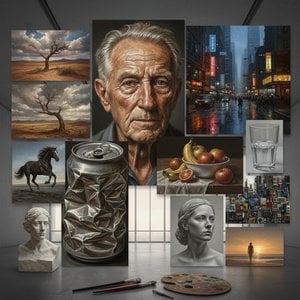
Painting as a Starting Point: Lei distinguishes himself through his masterful manipulation of imagery, frequently utilizing digital tools to remix and reinterpret iconic images from both Chinese and Western popular culture. This technique isn’t merely stylistic; it serves as a deliberate strategy for disrupting dominant narratives and exposing the inherent biases within the art world itself. He doesn't simply reproduce these images; he transforms them—often layering textures, altering colors, and juxtaposing disparate elements—to provoke contemplation about authorship, representation, and the role of media in shaping perception. This approach reflects a core belief that art should actively engage with societal concerns and challenge accepted interpretations of history and culture.
Blending Eastern and Western Traditions: The Role of Symbolism: His work consistently tackles themes of authority and critique, reflecting a broader artistic preoccupation with questioning societal norms and challenging institutional power structures. Lei’s approach is rooted in a deep understanding of cultural history—particularly the interplay between Chinese philosophical concepts like Yin Yang and Confucian ethics and Western visual traditions—resulting in artworks that are simultaneously erudite and emotionally resonant. The juxtaposition of these contrasting frameworks underscores his desire to explore universal human experiences through culturally specific lenses, prompting viewers to consider multiple perspectives on complex issues.
Notable Achievements: Critical Recognition: “Dragon Way,” showcased prominently on WahooArt.com, exemplifies this artistic ethos. This piece utilizes a striking blend of painting and video to explore themes of identity and cultural heritage, demonstrating Lei’s versatility as an artist and his commitment to pushing creative boundaries. It's a testament to his ability to synthesize disparate influences into a cohesive visual statement that compels viewers to confront uncomfortable truths about representation and power. Furthermore, Lei’s inclusion in prestigious exhibitions like Documenta XII and the Venice Biennale solidified his reputation as a leading figure in contemporary Chinese art—recognitions that underscore the significance of his artistic contributions to the global dialogue surrounding cultural critique and artistic innovation.
Current Biography: Yan Lei continues to reside in Beijing and Hong Kong, actively engaging with the evolving landscape of contemporary art while maintaining a steadfast dedication to artistic exploration. His legacy as an artist is marked by a pioneering spirit—he stands as a beacon for artists who strive to articulate complex ideas through compelling visual narratives, cementing his place as a pivotal figure in shaping the future trajectory of Chinese art history. He remains committed to pushing creative boundaries and fostering dialogue about cultural exchange, ensuring that his artistic vision continues to inspire generations to come.