CONSEIL EN ART GRATUIT

x

Salvatore Corvaya

1872 - 1962

Informations clés

  • Museums on APS:
    • Ca’ Granda – Ospedale Maggiore Policlinico
    • Ca’ Granda – Ospedale Maggiore Policlinico
    • Ca’ Granda – Ospedale Maggiore Policlinico
    • Ca’ Granda – Ospedale Maggiore Policlinico
    • Ca’ Granda – Ospedale Maggiore Policlinico
  • Nationality: Italie
  • Copyright status: Under copyright
  • Top 3 works: Portrait of Lola (Rosa) Peduzzi Binda
  • Art period: Moderne
  • Plus…

Quiz d'art

Chaque question ne comporte qu'une seule bonne réponse.

Question 1:
Q1
Question 2:
Q2
Question 3:
Q3
Question 4:
Q4
Question 5:
Q5

Early Life and Training

Salvatore Corvaya (Licata, Italy – Milano, Italy) emerged from the fertile artistic landscape of Licata in 1872, a region steeped in Sicilian tradition and burgeoning cultural ambition. Little is known about his formative years beyond confirmation that he pursued formal artistic training—likely at Accademia di Belle Arti Pietro Selvaggi in Palermo—where he honed his skills in painting and drawing, absorbing the stylistic precepts of the era. This early exposure to academic art would prove pivotal in shaping his subsequent oeuvre.

Artistic Style and Technique

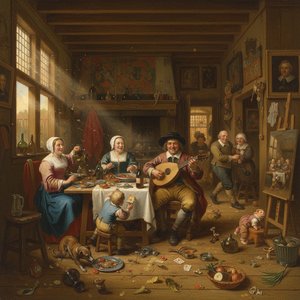
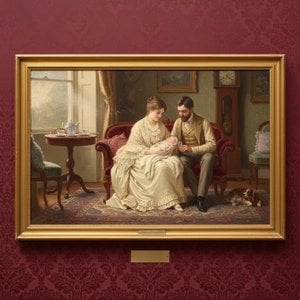
Corvaya’s distinctive style is characterized by a meticulous attention to detail and an understated elegance that distinguishes him from more flamboyant contemporaries. He primarily focused on genre painting, capturing scenes of everyday life with remarkable sensitivity—domestic interiors populated by figures rendered with subtle nuances of expression and gesture. His miniaturist technique demanded exceptional precision and patience, resulting in exquisitely crafted portraits and landscapes imbued with atmospheric depth. Corvaya skillfully employed oil paints on cardboard, favoring muted palettes and luminous glazing techniques that conveyed a profound understanding of light and color.

Notable Works

Among Corvaya’s most celebrated paintings is “Portrait of Lola (Rosa) Peduzzi Binda,” a captivating depiction of a noblewoman executed with remarkable realism and psychological insight. This piece exemplifies his ability to convey emotion through nuanced facial expressions and body posture—a hallmark of his artistic approach. Furthermore, Corvaya's landscapes often depict the rugged beauty of Sicily’s coastline and countryside, rendered in hazy atmospheric perspective that captures the essence of the region’s character.

Influences and Legacy

Corvaya’s artistic sensibilities were undoubtedly shaped by the prevailing currents of Romanticism and Modernism. Like many artists of his time, he drew inspiration from luminaries such as Francesco Hayez and Mimmo Paladino—masters renowned for their dramatic compositions and evocative use of color—whose works championed emotional intensity and psychological complexity. Corvaya’s legacy resides in his contribution to the artistic heritage of Lombardy and Italy, particularly within the Fondazione Cariplo collection, where his paintings continue to resonate with viewers seeking beauty and contemplation.

Historical Significance

Salvatore Corvaya's work stands as a testament to the enduring power of observation and artistic craftsmanship during the late nineteenth century. His meticulous depictions of daily life offer valuable glimpses into Sicilian society and culture—a period marked by social reform and intellectual ferment. By prioritizing emotional resonance alongside technical virtuosity, Corvaya solidified his place among Italy’s most accomplished artists—a figure whose oeuvre embodies the spirit of a transformative era.